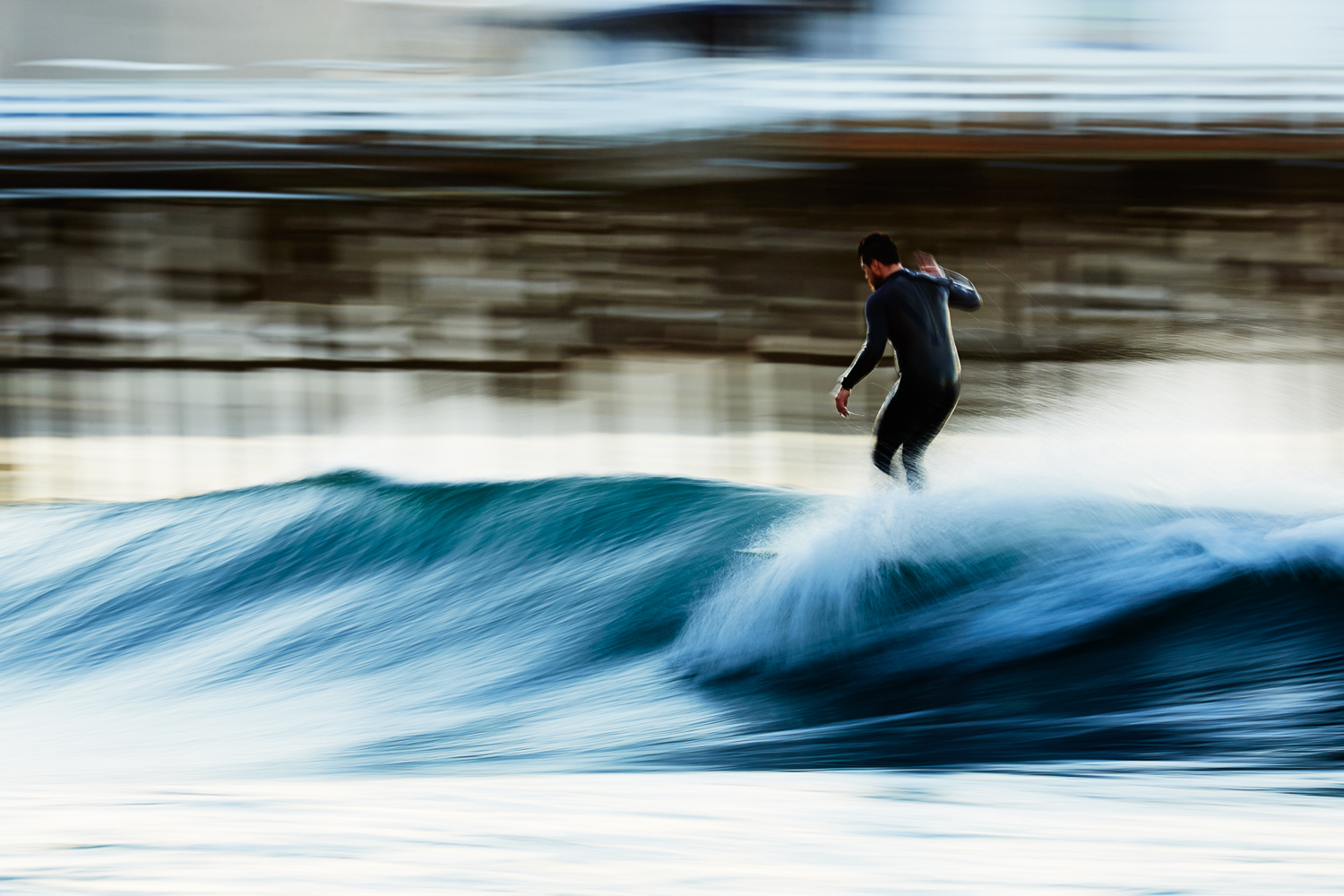
-
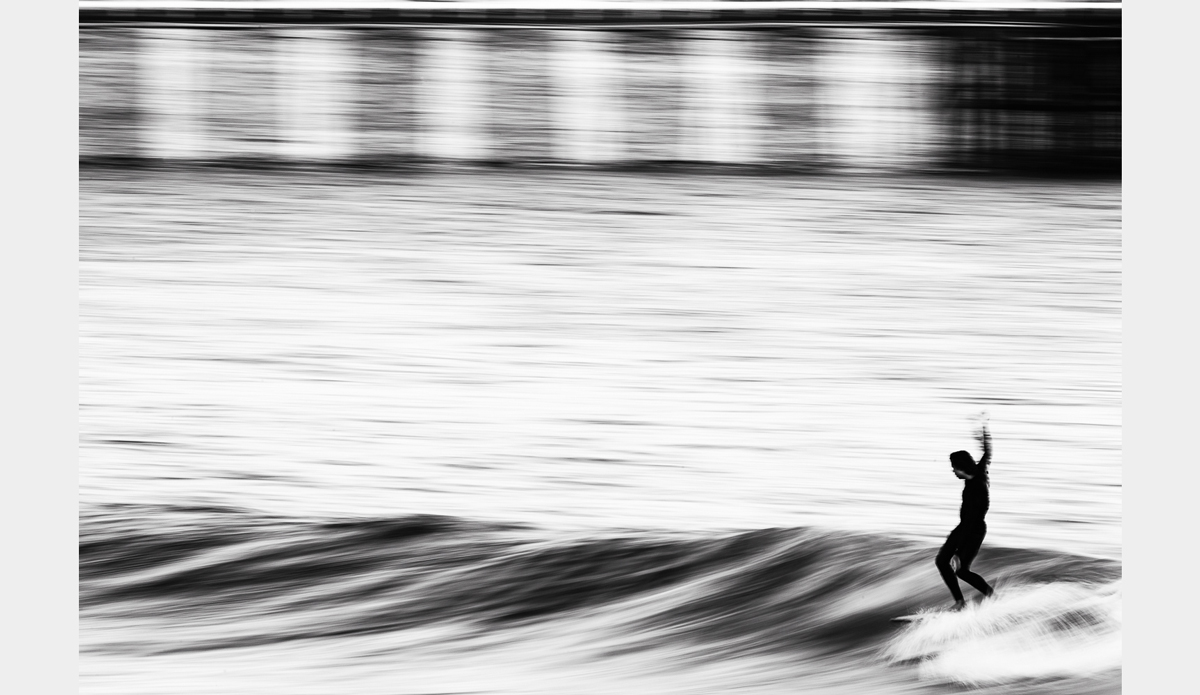
Sharpness alone won’t really create a memorable image. I wanted to get a higher angle to show more of the water and less horizon. Style was added by the unknown rider cruising down the line. Photo: Chris DeLorenzo
-
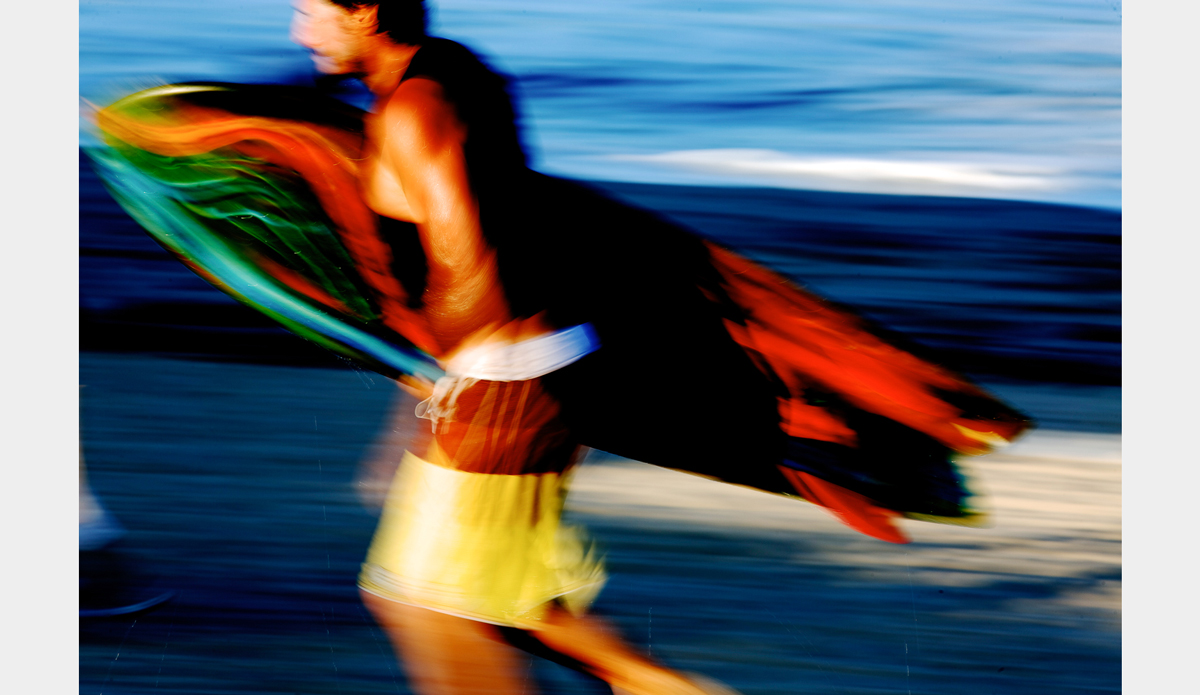
Sometimes a person or board catches your eye and you really don’t have time to change settings. This board had a cool acid wash effect and the slow blur almost melts the colors right off that board. Photo: Chris DeLorenzo
-
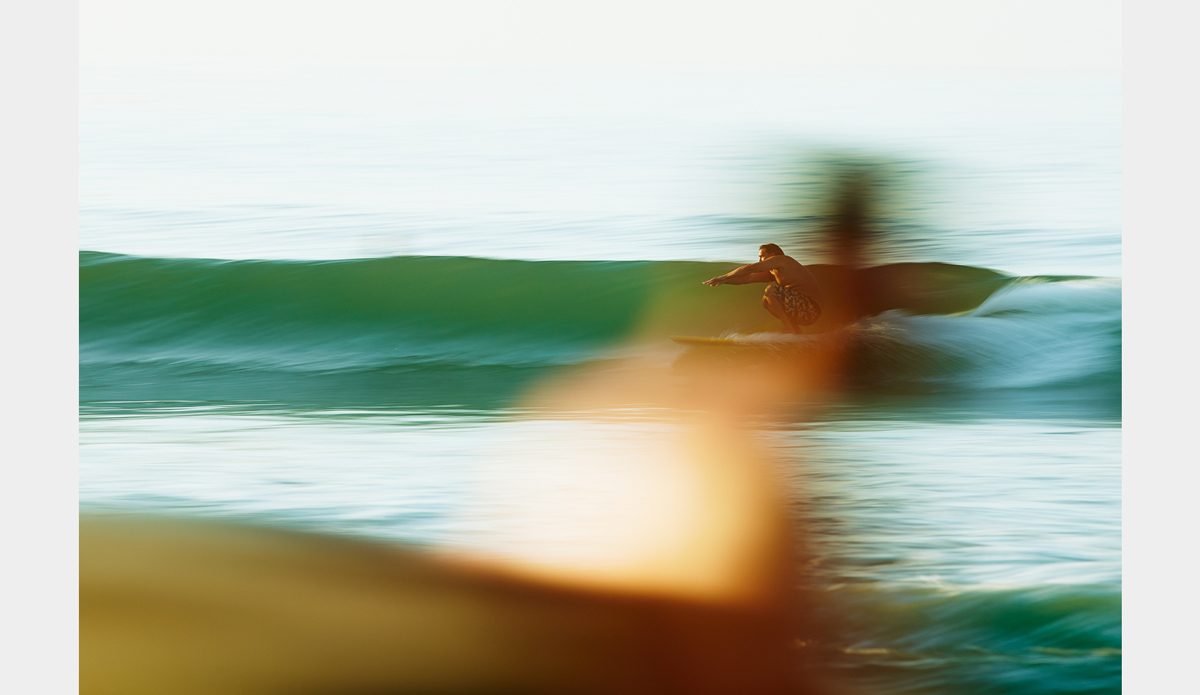
Walk right in front of me…its fine. To be honest I actually do enjoy the effect it has when people partially obstruct your shooting. Photo: Chris DeLorenzo
-
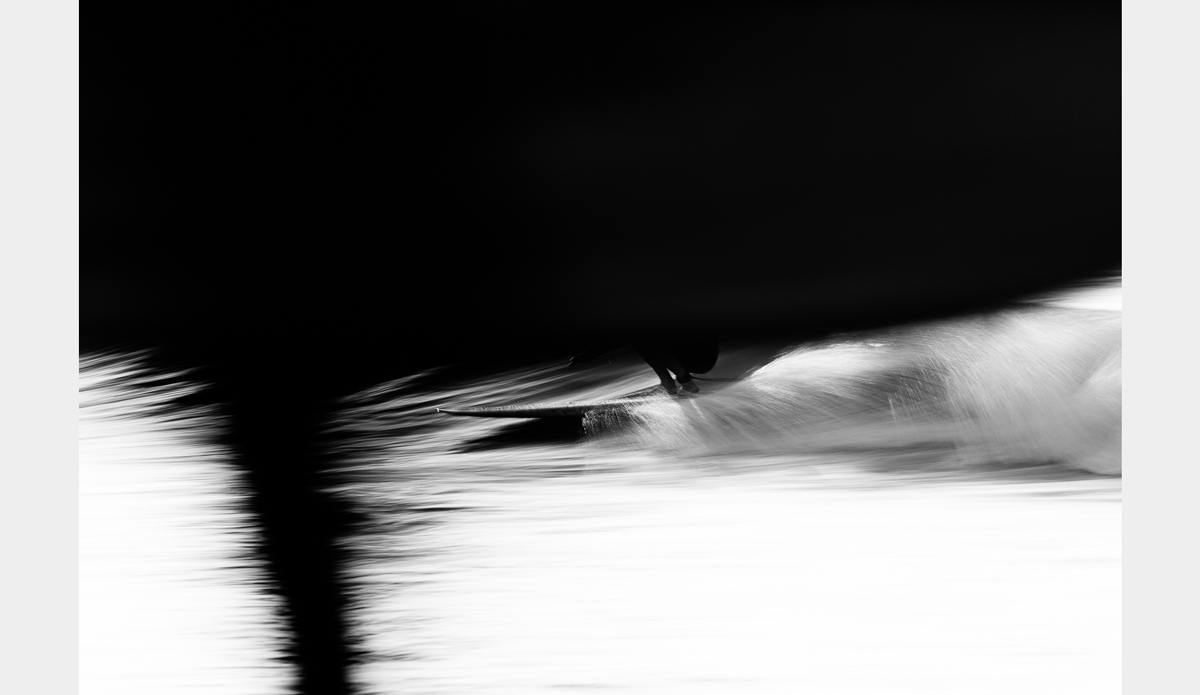
Another instance where a board blocked the top half of the image. Your eyes really focus on the feet and spray. Photo: Chris DeLorenzo
-
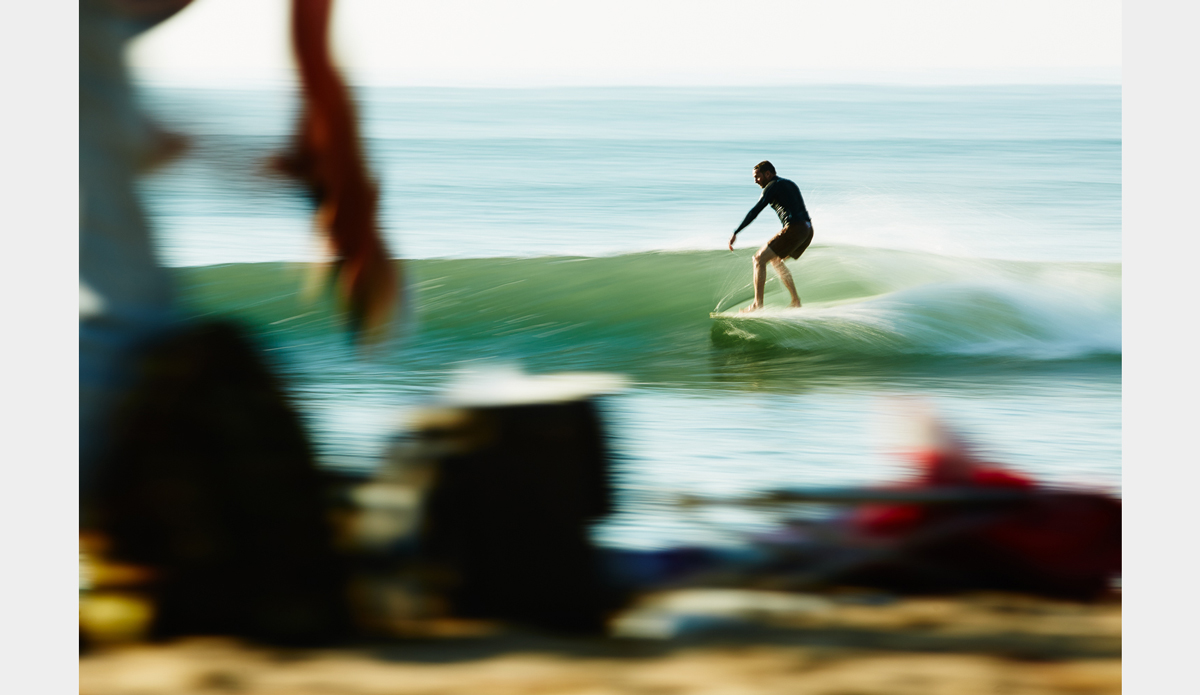
This was just about the end of the good light for morning blurs, but I like the color of the water on this shot, plus the foreground aided in showing an environment. Photo: Chris DeLorenzo
-
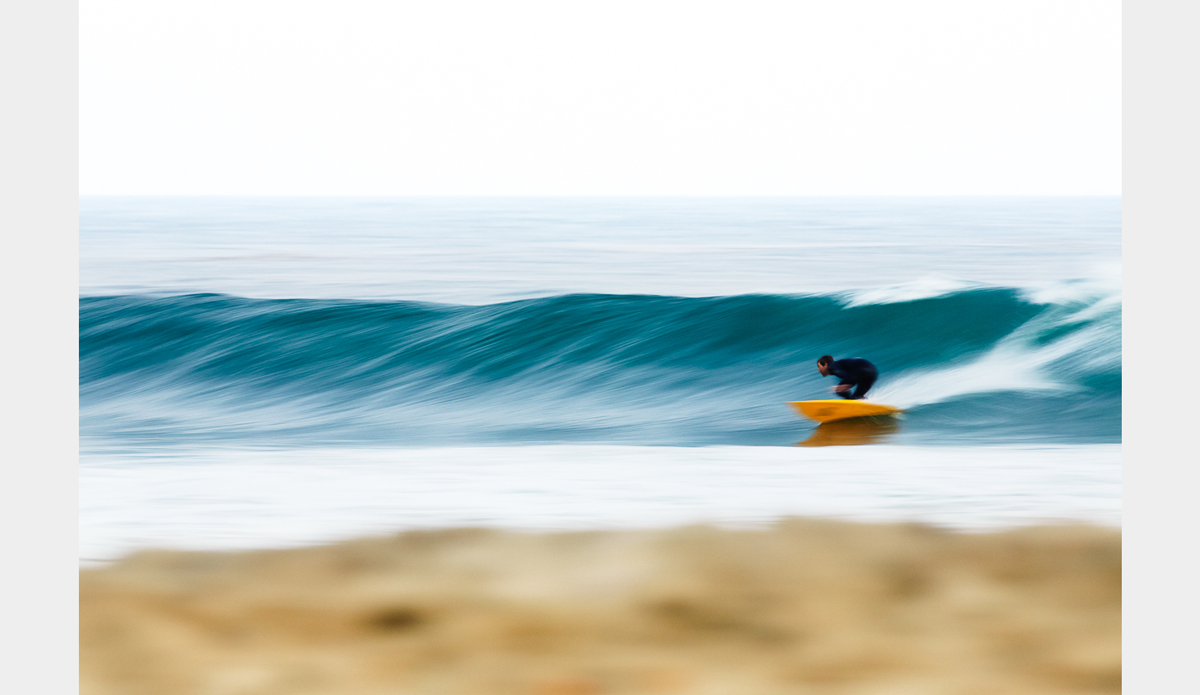
Nailing sharpness on with shortboard is nearly impossible. Most photographers use a faster shutter, but I prefer to keep it slow and take my chances. This is Chad Wensel and his head stayed sharp enough for the photo to work out. Photo: Chris DeLorenzo
-
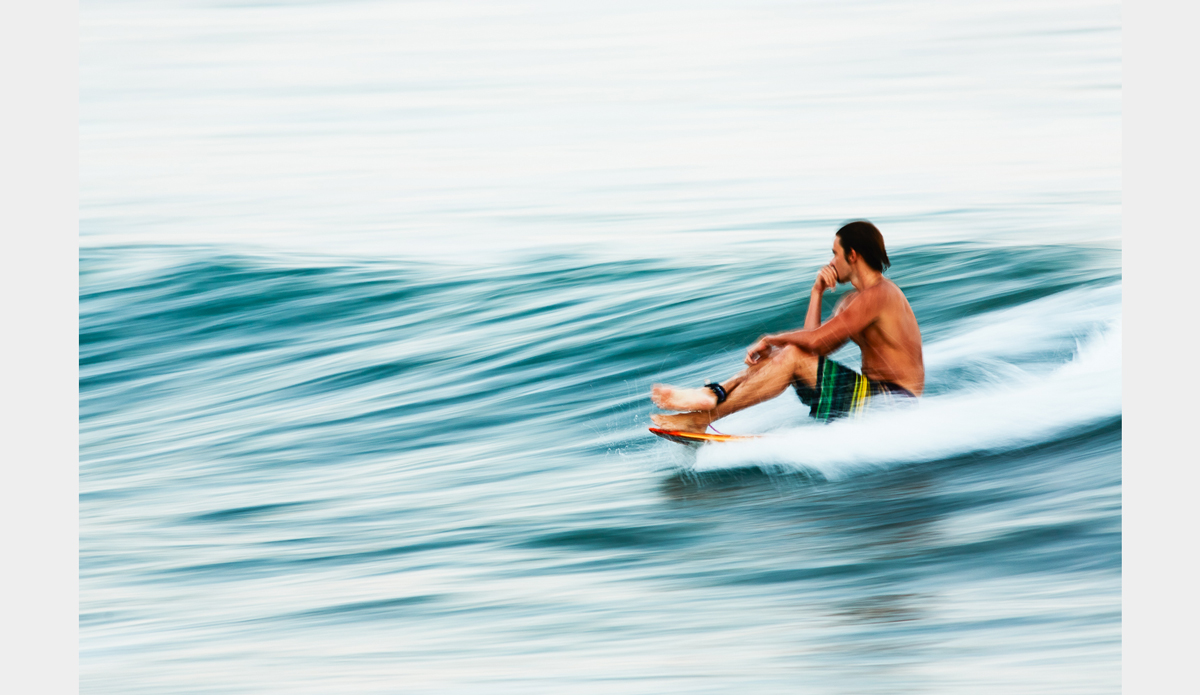
“The Thinker”…this is how still I wish they stayed, not going to be a cover shot, but I love his expression. Photo: Chris DeLorenzo
-
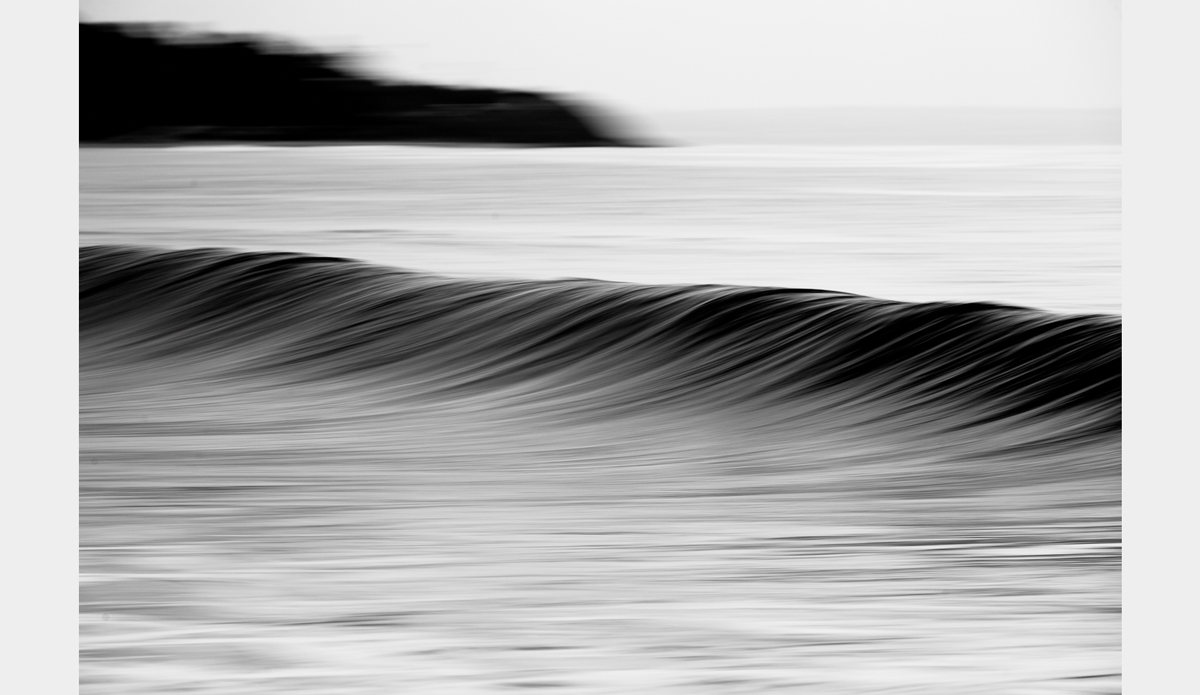
You need pretty glassy conditions for waves light this, but I love how sharp the texture on the face of the wave is. Photo: Chris DeLorenzo
-
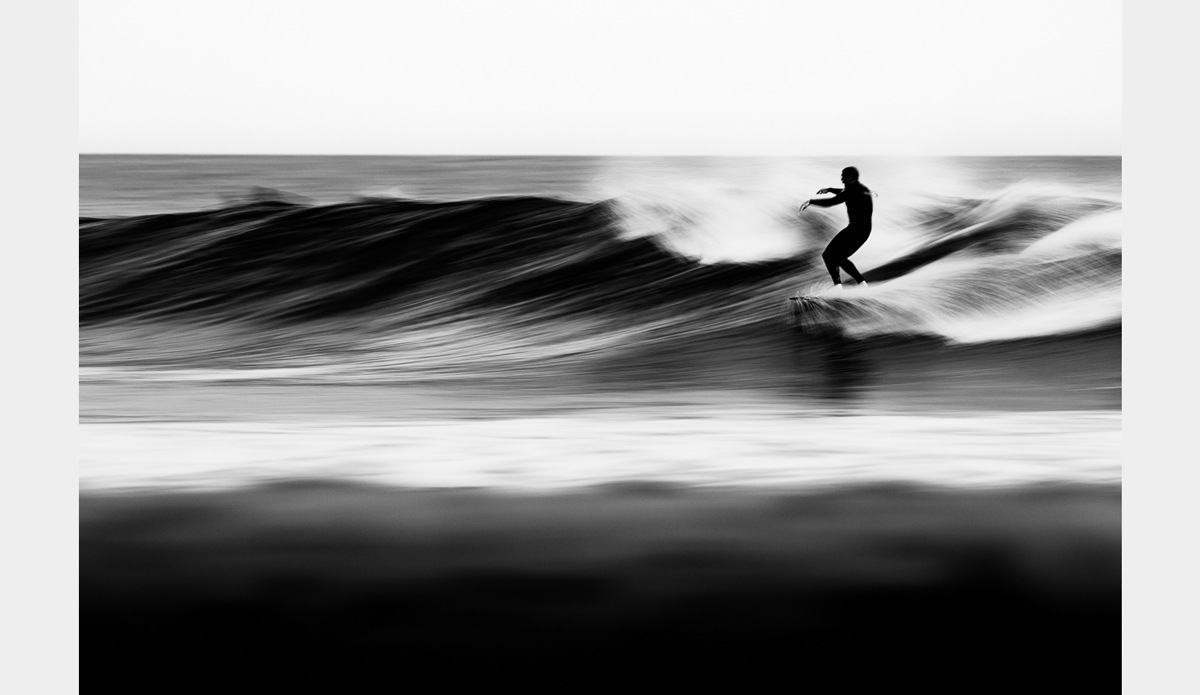
This was taken half an hour after sunset, but I really dig the light…or lack of light. Photo: Chris DeLorenzo
-
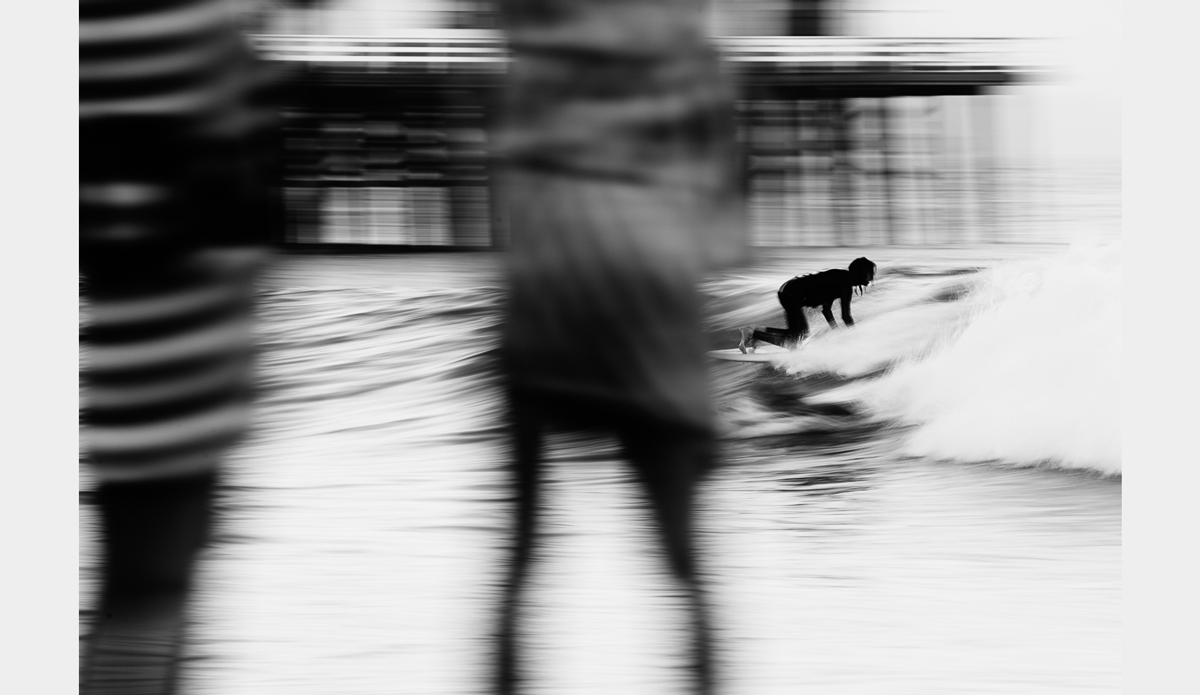
I don’t think this photograph would work without the people standing in the foreground. It seems like the surfer is putting on a show for all to watch. Photo: Chris DeLorenzo
-
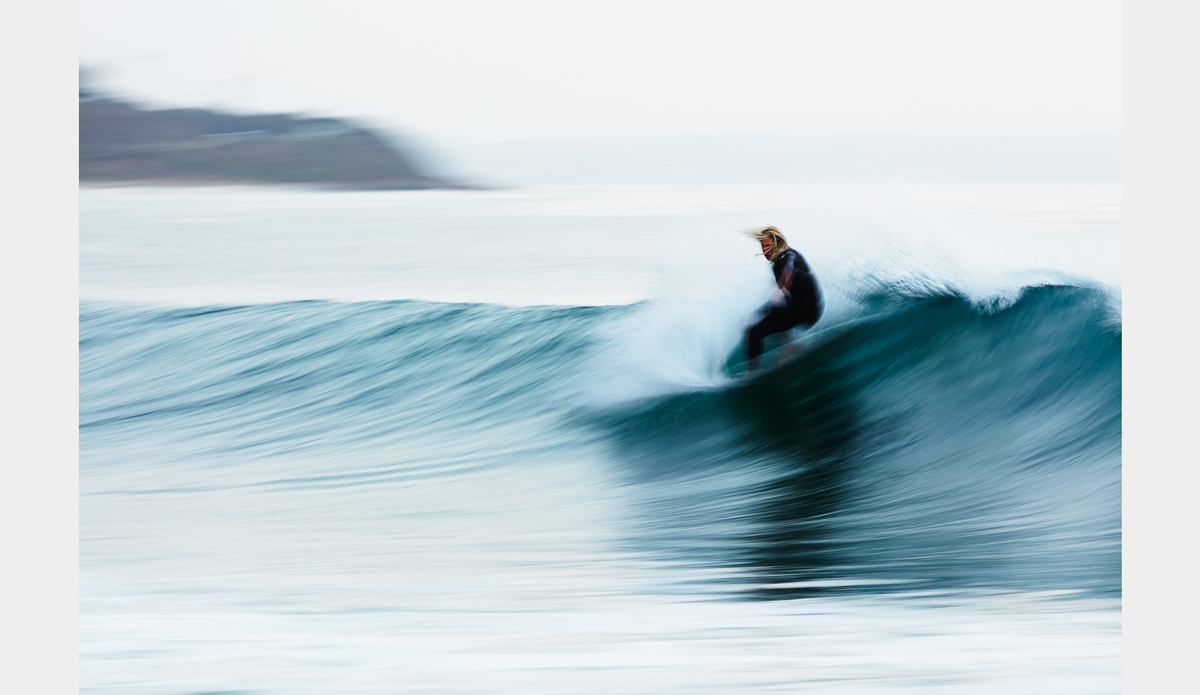
You really have to focus on keeping the head sharp. If its not, the shot usually doesn't work. I had some dreads to work with on Joe Rickabaugh to aid in some contrast for your eyes to find sharpness. Photo: Chris DeLorenzo
-
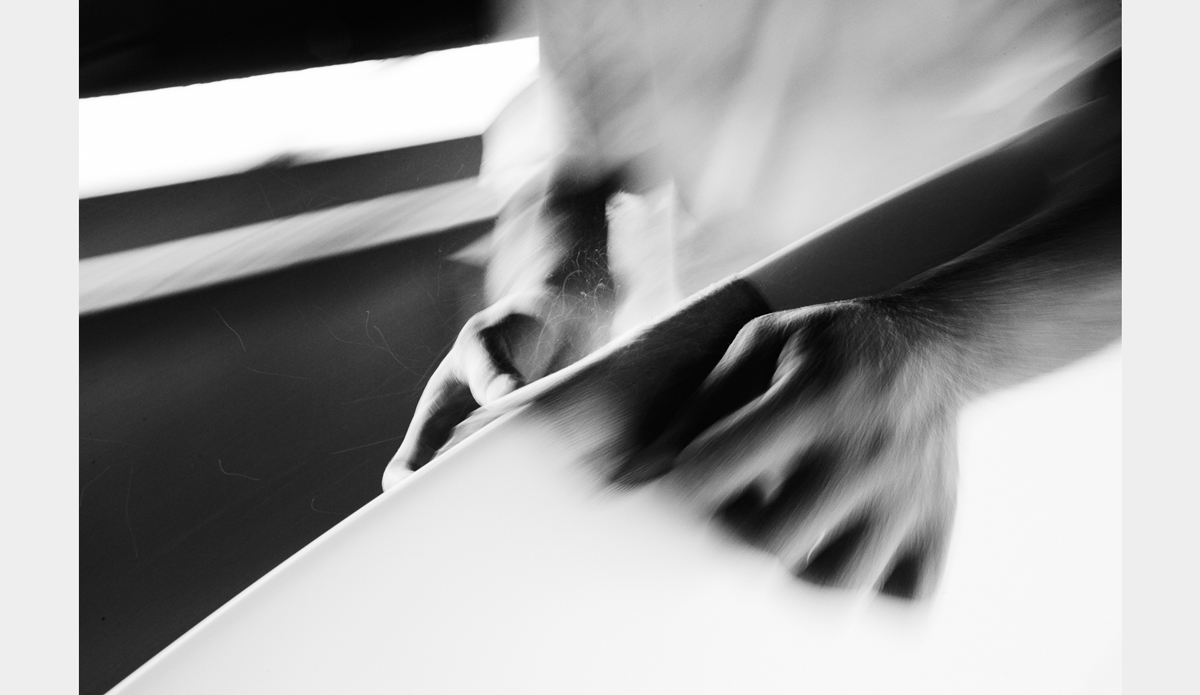
Boardshaping is such a fast paced process, and trying to freeze that motion completely does it a disservice. The little pieces of dust look a lot like sparks off the sander. Photo: Chris DeLorenzo
-
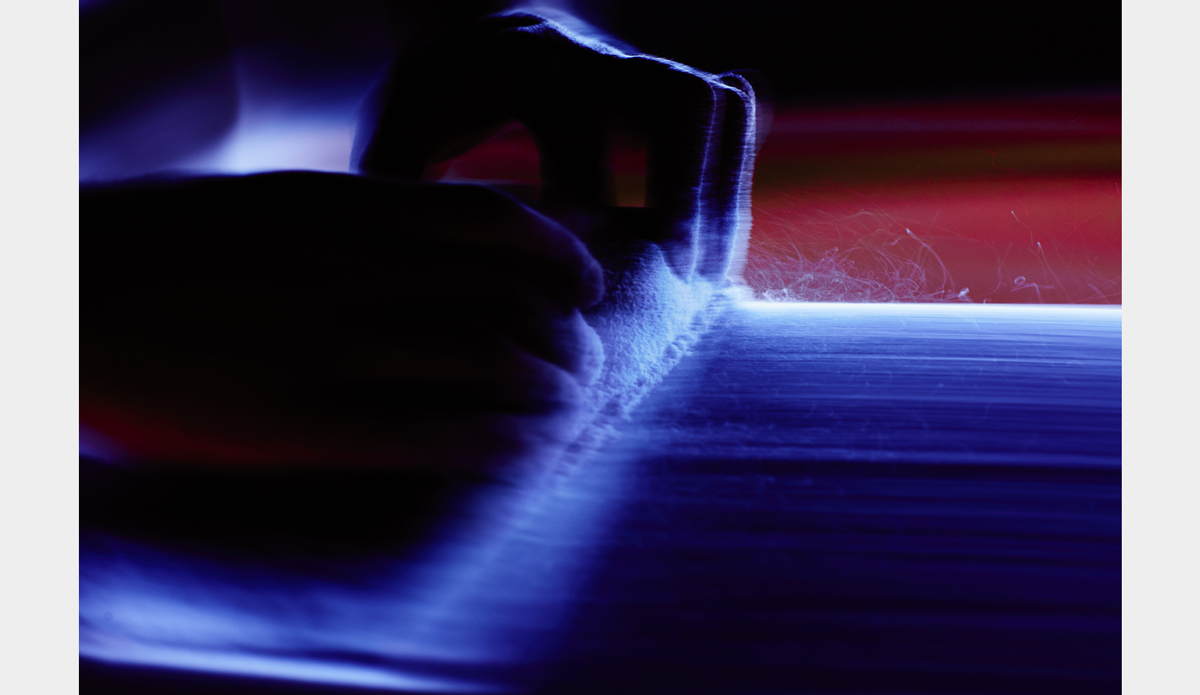
Another shaping shot in the shed of Ian Zamora. The cool thing with shooting blurs is low light is never the enemy, unlike the majority of other photography techniques. Photo: Chris DeLorenzo
-
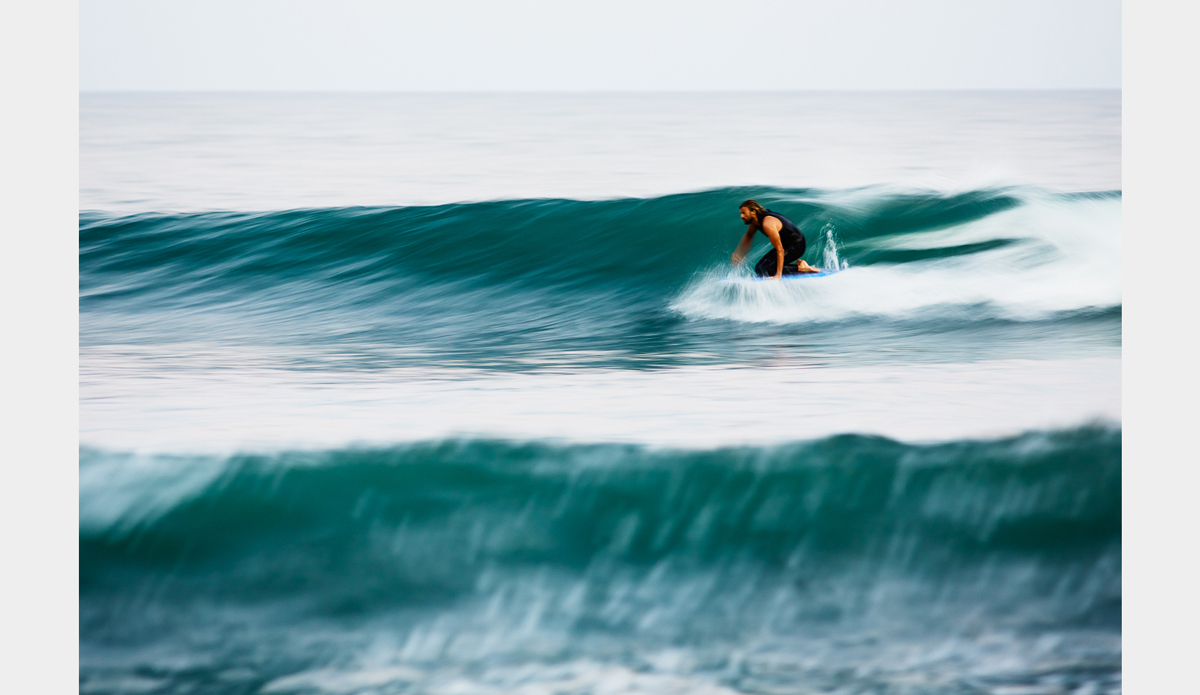
A late night ride is real easy to capture when they are barely moving. Photo: Chris DeLorenzo
-
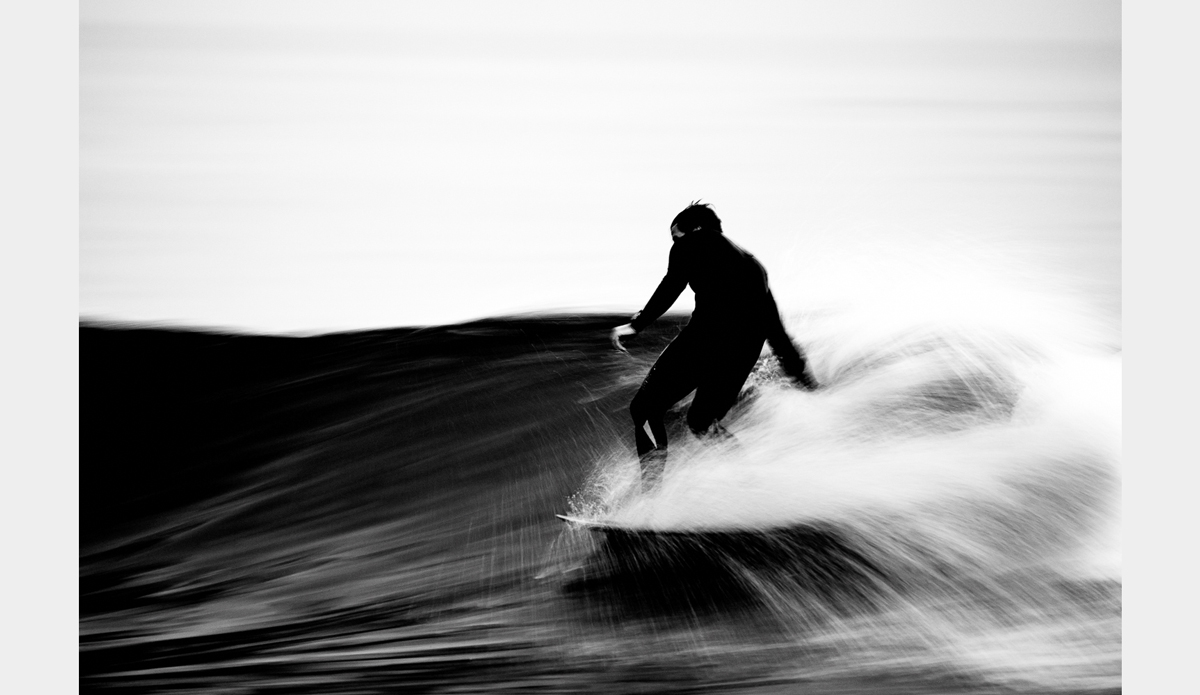
The sun had gone way down, and I had a hard time seeing what I was shooting. This came out real interesting with the spray of the water. You by can tell the shallow depth of field and just how dark it was. Photo: Chris DeLorenzo
-
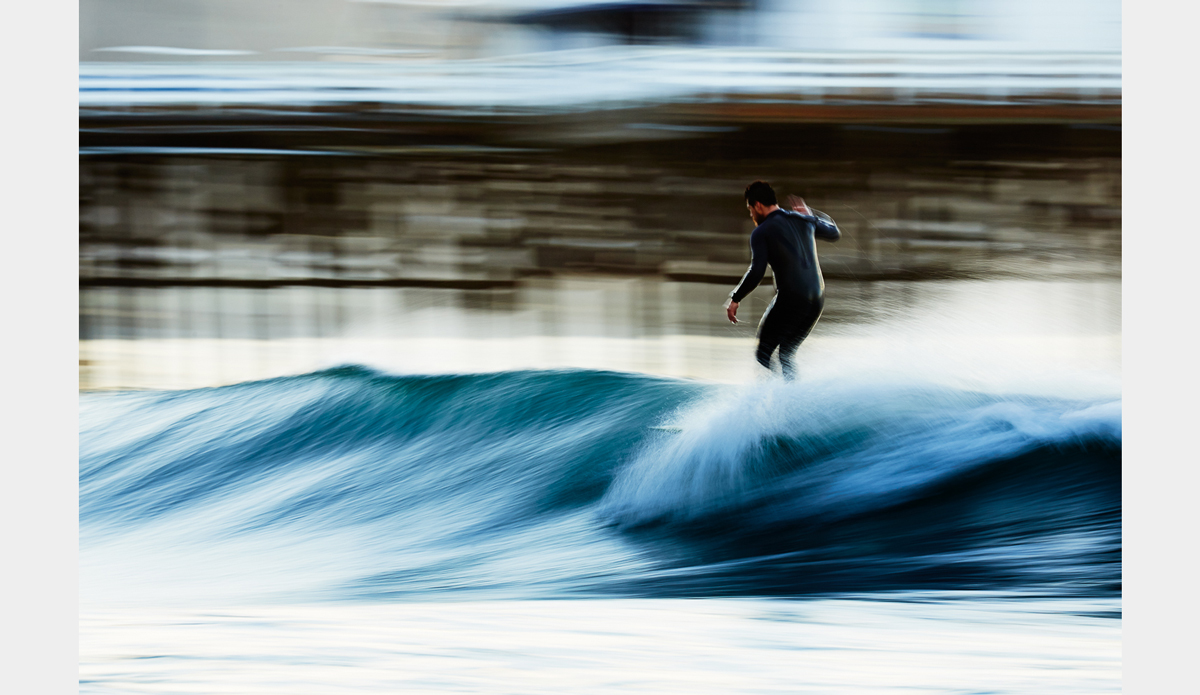
One of my favorite blurs to date. It’s this guy Myke Marts and was actually taken on the first night I attempted these. Thats the thing with it, it’s really hit or miss. No matter how hard to try, some nights your on it and others just don’t click. Photo: Chris DeLorenzo
-
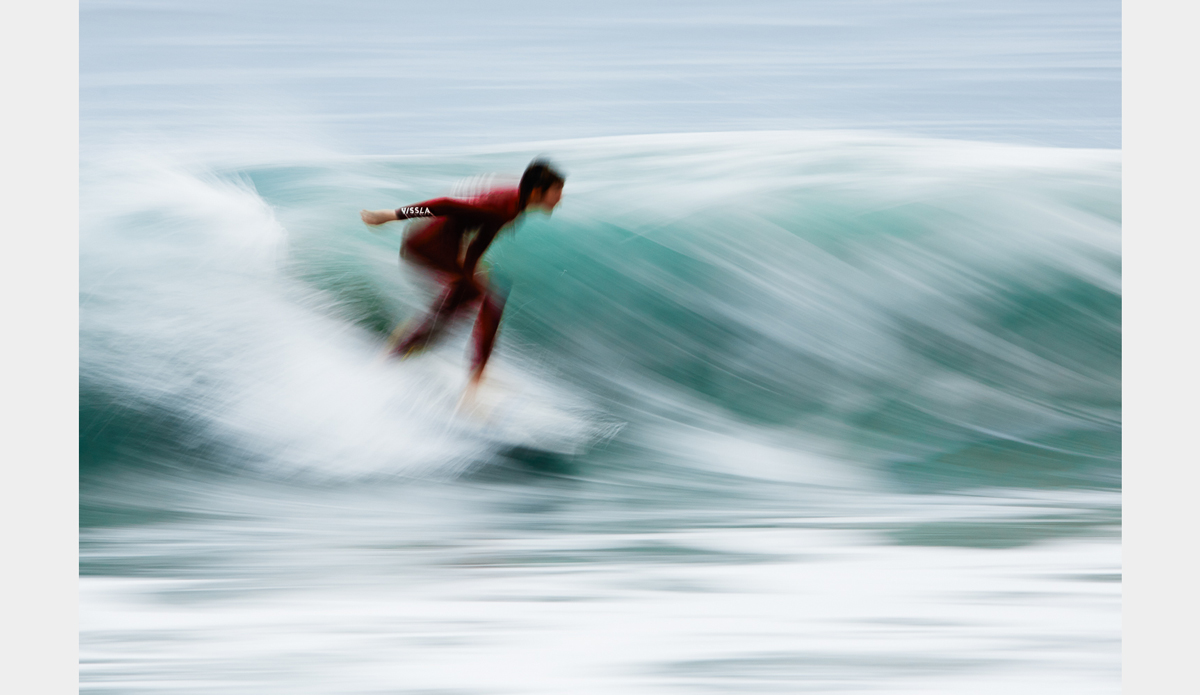
I wish I could say this was planned but it was indeed very lucky… Photo: Chris DeLorenzo
Panning, slow shutter, stopping down, tracking, spraying and praying — call it what you like, but this technique has slowly become big in the surf photography world. Panning using a slow shutter speed was deemed somewhere along the line as a “speed blur.”
Although gaining popularity in recent years, this effect is nothing new. Photography greats were using this technique almost 100 years ago, and guys like Ernst Haas from the 1940s really pushed the boundaries of slow shutter panning.
Personally, I did not get my start in photography because of my love for surfing. I really picked up the camera because of my love for creating. I felt surf exemplified fluidity, light and athleticism that could be captured beautifully on camera. But a few months back, I got pretty bummed out on surf photography to be honest. It just seemed that some photos which received the most praise had either a big name surfer or epic wave. Don’t get me wrong, there are a ton of guys putting out super artistic work and I respect and commend them for that. But a lot of the other imagery just seemed to be lacking that sense of movement, and almost appeared dead. There are only so many ways to shoot a wave from land, and quite honestly, a majority of those ways are static and boring. The very foundation of surfing is based around fluid movements gliding across the water, obtaining a free ride from Mother Nature. Few photographs I saw really captured this sense and feeling. It was more about who and what, and not the ever important “how does this image make me feel?”
I recently bought a fluid head tripod primarily used in video work, and wanted to use it for slow shutter photography. Needless to say I went into shooting blurs with an extremely false sense of confidence. Thinking I had the killer setup, I assumed that all would be well — just spray and pray! Wrong. It is the most difficult thing I have attempted in surf photography aside from in-water shots. Shooting blurs, I prefer a shutter speed anywhere from 1/8th down to 1/4th of a second. You must track the subject perfectly through the viewfinder.
One of my favorite times to shoot is after sunset/before sunrise. Barely any photographers stick around at this time, but that’s really when the magic happens for me. The sky turns a blueish purple and the light smoothens out. If I’m shooting during the daylight hours, flat light and overcast skies are what I dream of. This allows the camera to capture an extremely wide dynamic range that can be easily tweaked to my liking in post production.
My approach to creating these blurs, or any of my images for that matter, is quite technical. When it comes down to it, speed blurs are a highly technical approach to produce a visually artistic photograph. Creating them puts a majority of the control back into the hands of the image maker. This is why i enjoy the challenge so much.
See more from Chris at ChrisDeLorenzophoto.com, and follow him on Instagram @chris_delorenzo.