-
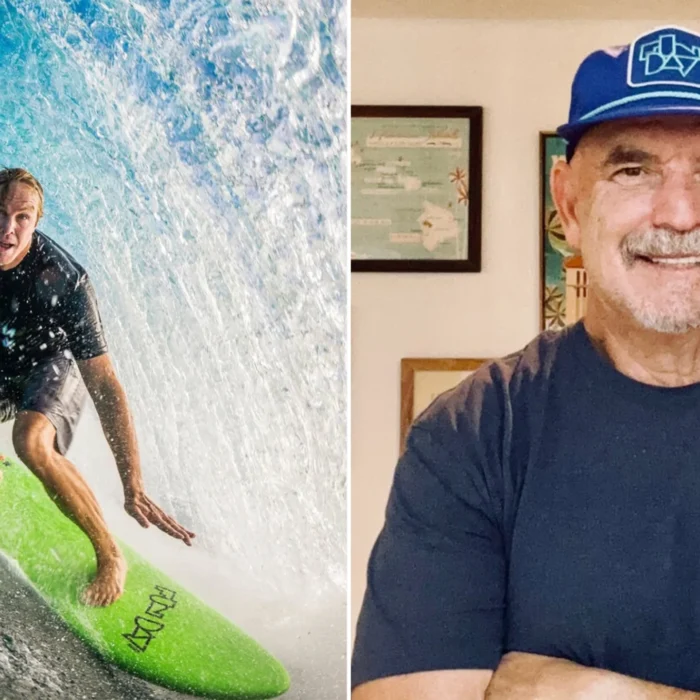
Patagonia - Patagonia has been an inspiration for our team, going beyond sustainable product development to support a network of non-profit efforts around the world. Within the surfing industry, Patagonia is undertaking a commendable effort to revolutionize wetsuit manufacturing through the introduction of plant based materials to replace traditional petroleum based products. Through his Surfing for Change campaign, Patagonia surfer and grass roots activist Kyle Thiermann has documented the impact of plastic pollution. Surf ambassadors Chris and Keith Malloy may have summarized the issue of ocean plastics best in their short film "Plastic Gets There First." Even in the most isolated of surfing frontiers, maiden sessions in foreign lands are tarnished by the presence of mistreated waste. Photo: Juan Luis De Heeckeren
-
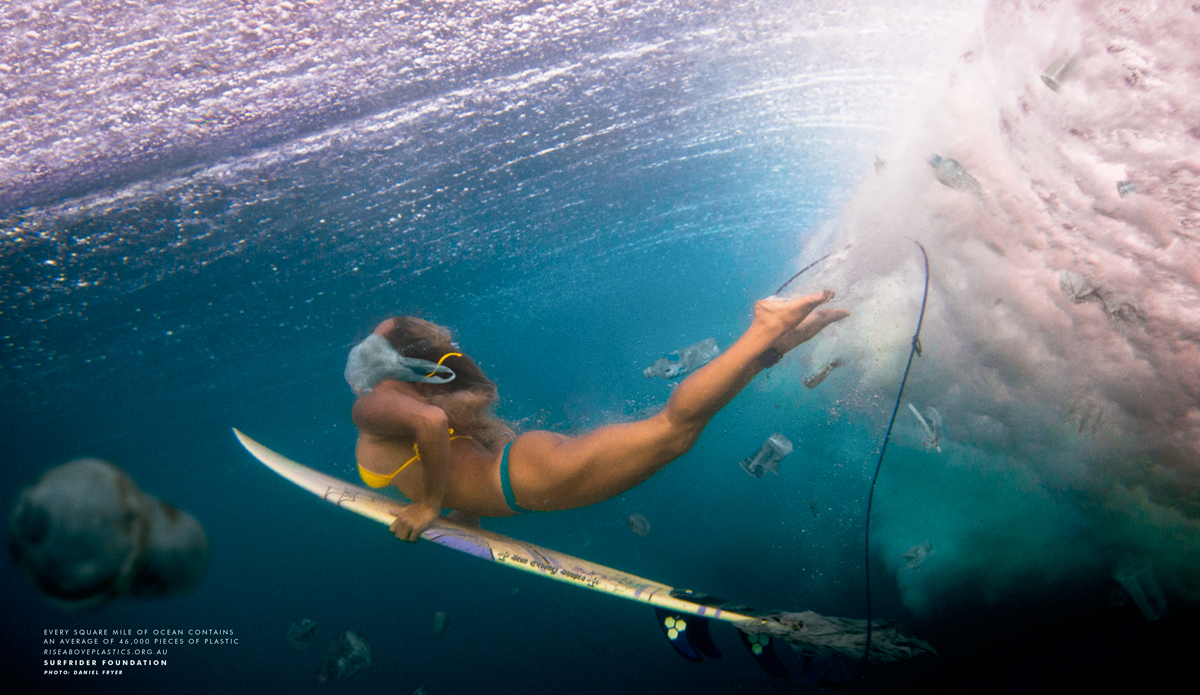
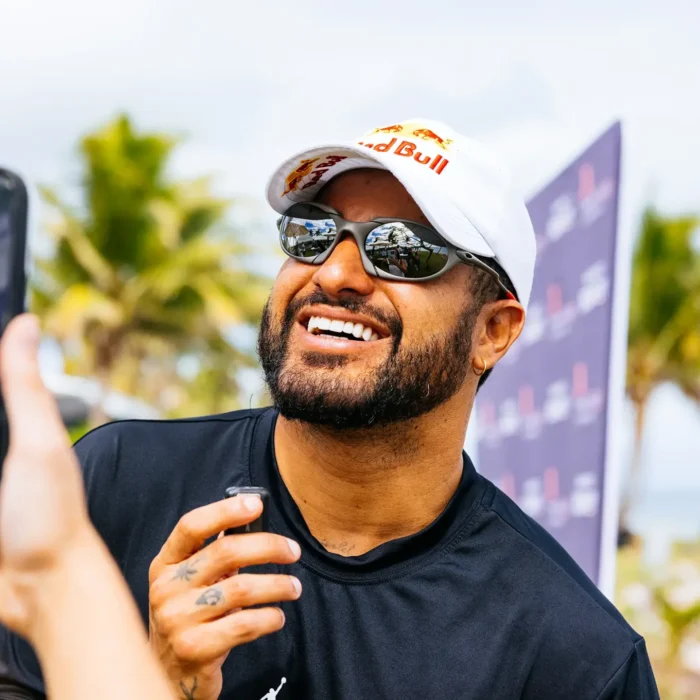
Surfrider Foundation - With an expansive network, Surfrider has a presence in 18 countries, with more than 80 chapters in the US alone. Founded on the need to protect our coasts, Surfrider unites members against various threats to our surf, ocean and beaches. 68 national campaigns are underway to combat a series of issues including water quality, beach clean ups beach access, plastic bag bans, and reduction of plastic waste. In their Rise above Plastics program, Surfrider spreads important awareness on the issue and provides a connection point to get involved and take the steps to reduce your consumption. Photo: Daniel Fryer
-
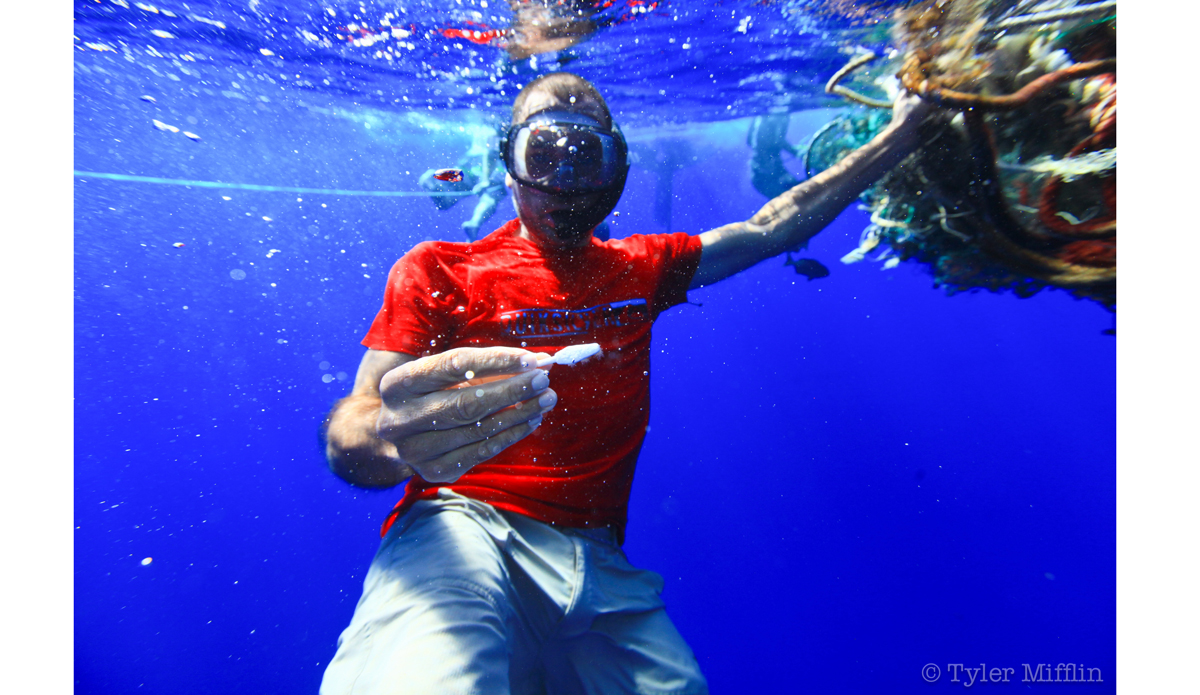
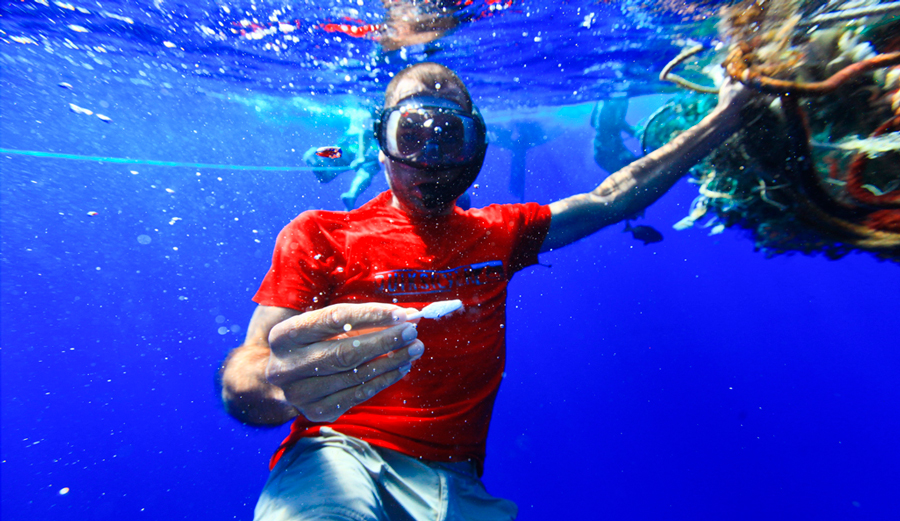
5 Gyres - We have been a follower of the research and news updates coming out of 5 Gyres, finding their materials to be sound and informative on the issues of ocean plastics. An active voice, 5 Gyres Institute is focused on researching plastic pollution and understanding its impact through exploration of the five ocean gyres, education, and action. Photo: Tyker Mifflin
-
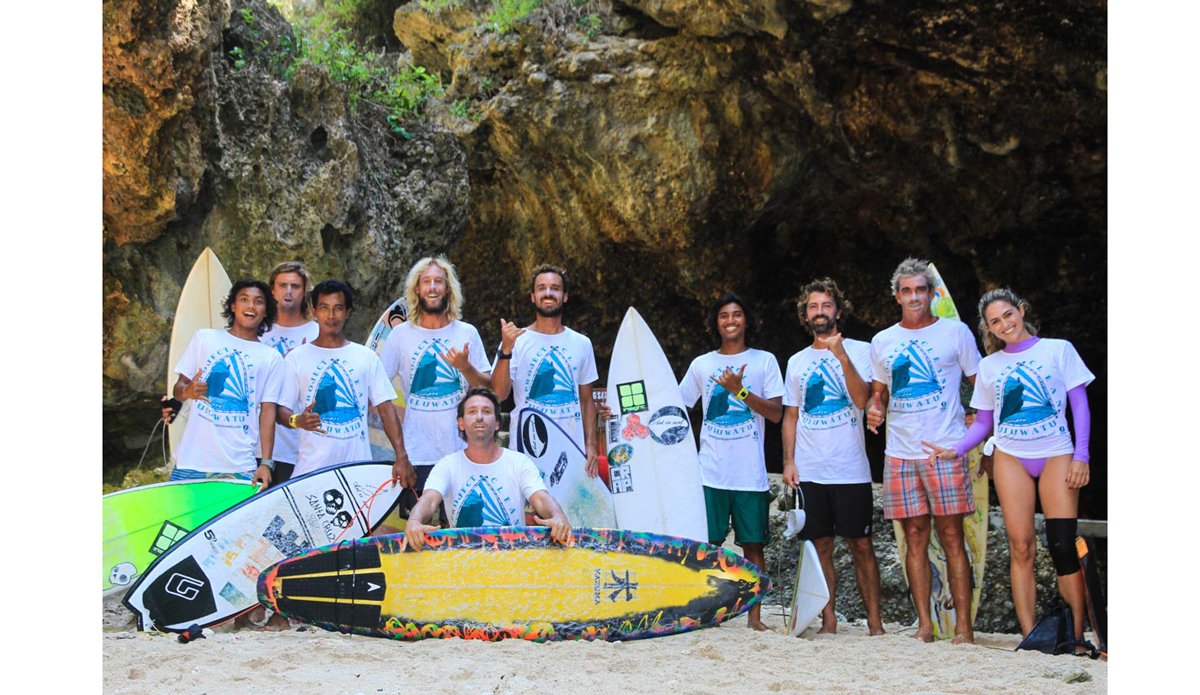
Project Clean Uluwatu - During the early development of our project we were able to connect with Curtis Lowe, the Project Manager for a unique project on the island of Bali. Uluwatu is a landmark for global surfers, but an issue plagues the island with many forms of waste from the constant flow of surfers and visitors finding its way into the pristine waters. Setting up Project Clean Uluwatu, local eco-warriors are now combating the problem with the assistance of local residents to employ an inspiring system to collect and recycle the once discarded materials. More recently, the team has succeeded in developing a system to properly manage sewage for the residents and guests a top the iconic cliffs. Photo: Curtis Lowe
-
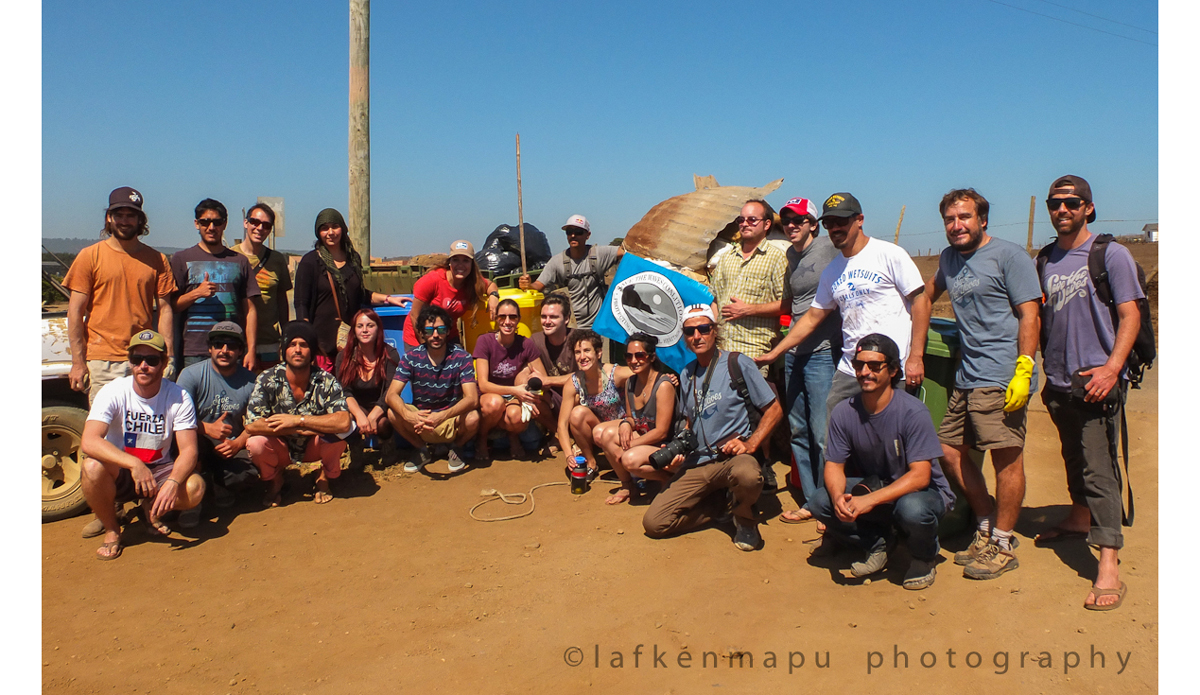
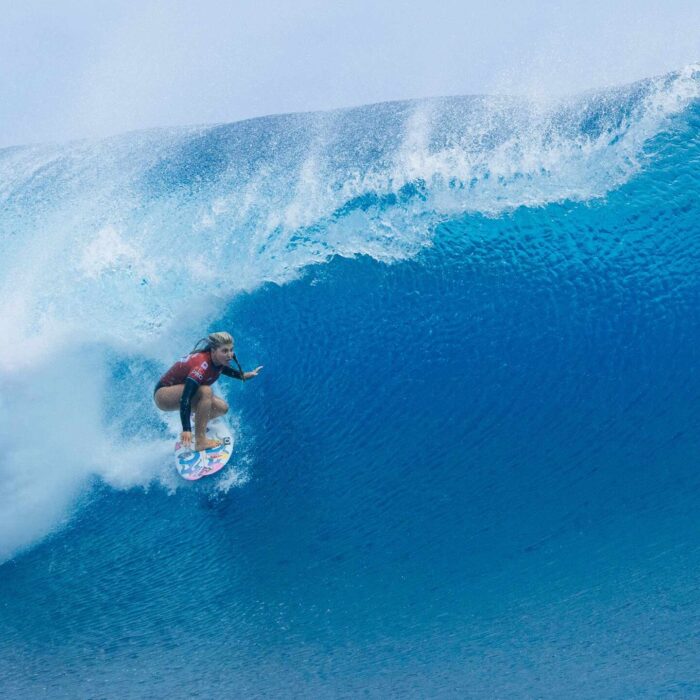
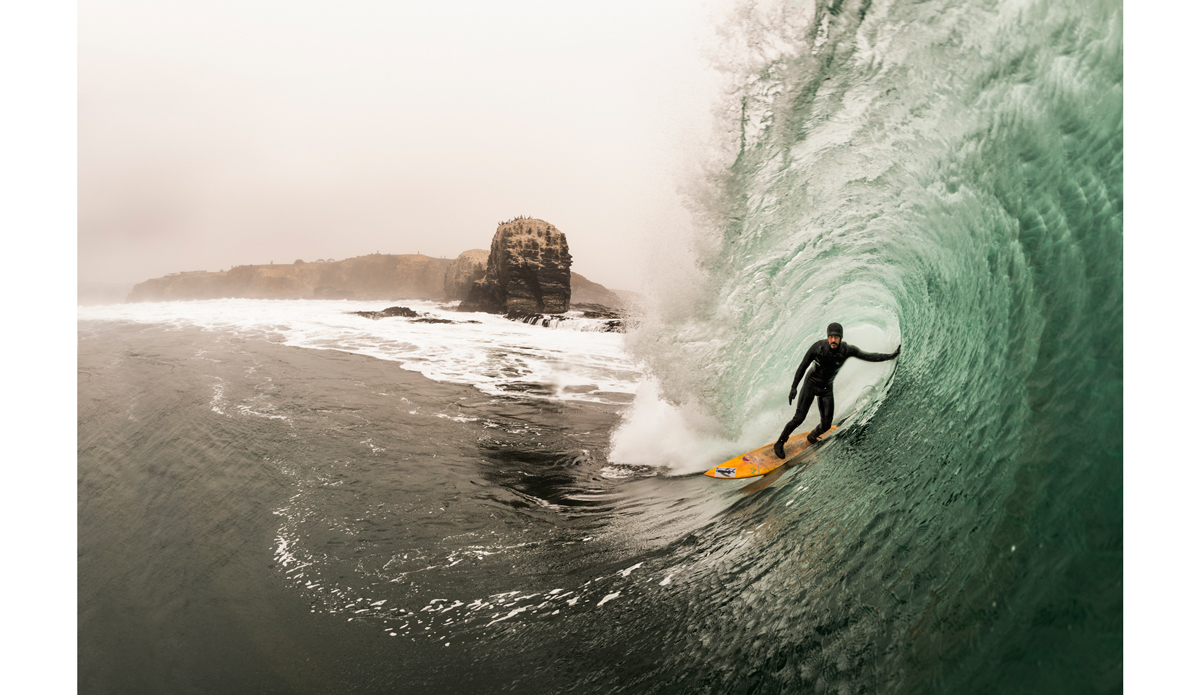
Save the Waves - Founded on the necessity to protect our coastal environment and keep our surf breaks in tact, this network of activists recognizes the importance of preserving our most cherished resources. Among a list of global campaigns, STW runs an annual campaign to clean up the coast of Chile "Unidos por Aguas Limpias," or United for Clean Water. During the 2014 campaign, nearly 12,000 pounds of trash was collected from 30 miles of coastline in a single day. We were fortunate enough to witness STW’s efforts in Chile this year, and the response from the communities and participants was inspiring. Photo: Lafkenmapu photography
-
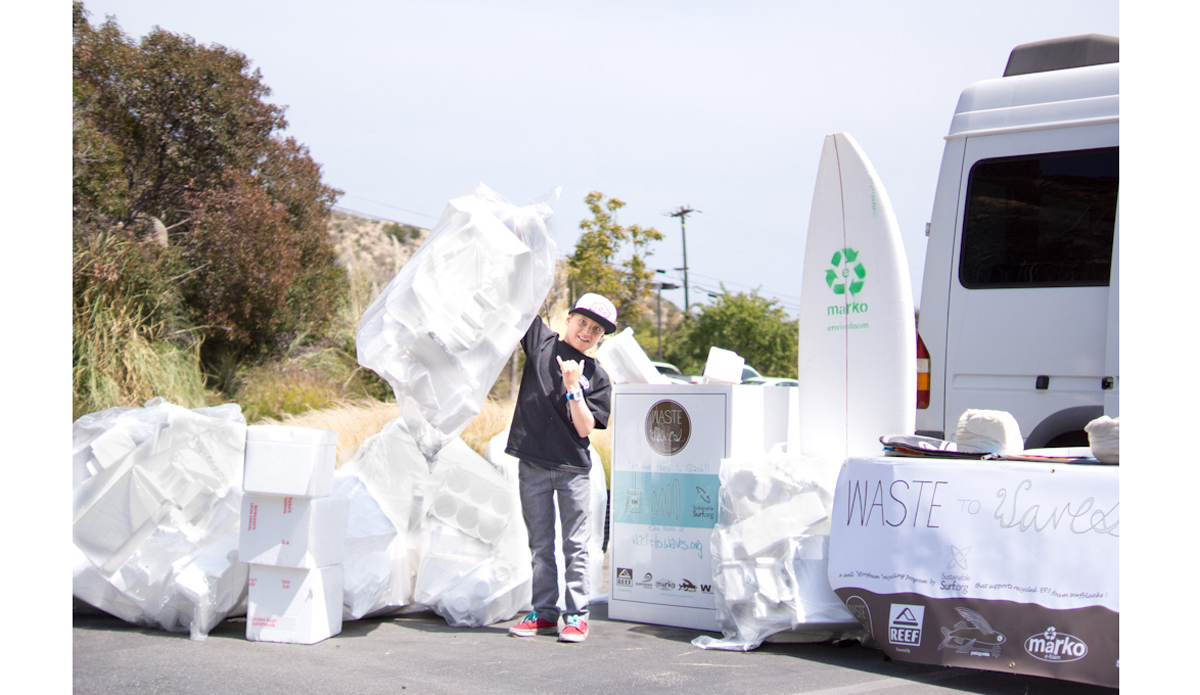
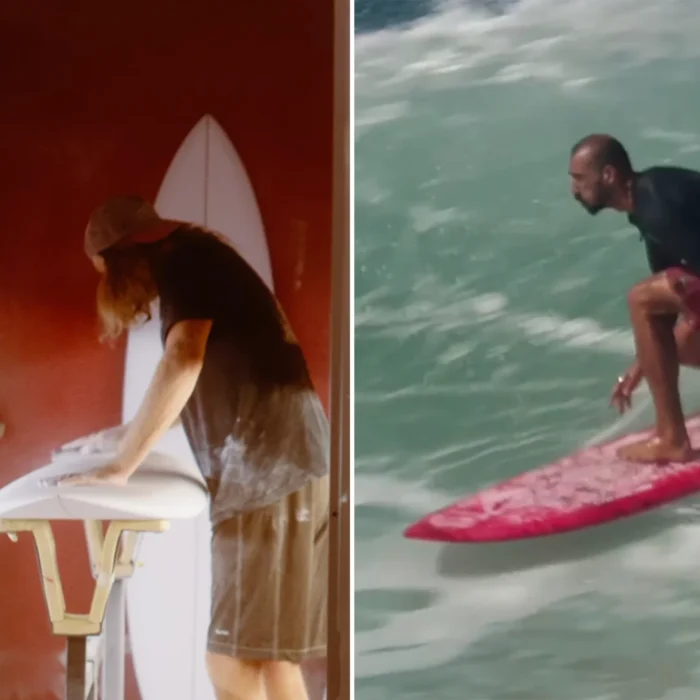
Sustainable Surf - Surfboard design has made great strides in recent years, with shapers recognizing the need for change. Sustainable Surf’s Waste to Waves program turns collected styrofoam waste into blanks for surfboards, creating a great solution for a material that often clutters our lineups. Additionally, the ECOBOARD project sets guidelines to reduce the environmental impact of surfboard manufacturing through recycled or biological foam, resin epoxy with biological content, and alternative sustainable structures to reduce reliance on toxic materials. More than 25 major shapers are involved in the initiative. Photo: Kevin Whilden
-
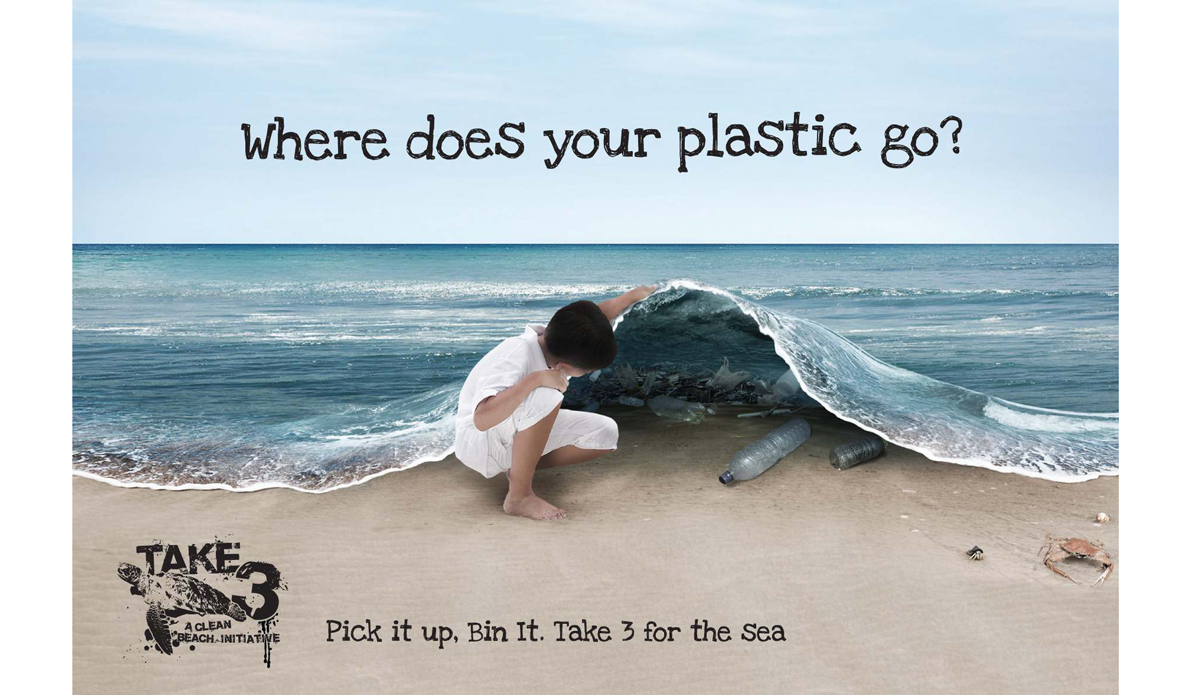
Take 3 - While living in Australia, we were fortunate enough to meet up with Tim Silverwood, an ocean activist with a unique request that ask people to take 3 (or more) pieces of trash from the beach or waterway on every visit. Take 3 echoes the industry view to first reduce plastic consumption and then clean debris once they are coughed up onto the shores. You could attribute picking up your part as the admission price to ride, but we like to think of it as building good karma for the day. Give it a try, support your local clean up efforts and make an effort to pick up a few pieces of trash every visit, you will be surprised how infectious your actions can be. Photo: Tim Silverwood
Rushing to rip on my wetsuit, I am met with a kick of adrenaline — whether it’s a quick dip in the morning, or a marathon session on a long anticipated surf trip, I live for these moments. Surfing may be a hobby for some, but it is a lifestyle for most. However, my connection with the ocean has been interrupted by the growing presence of plastic pollution in our lineups. Frustrated, I joined two friends who shared my passion and wanted solutions.
Researching the sources and types of materials entering our waterways, we were struck by the volume of harmful fishing nets in the ocean and the lack of infrastructure in place to manage this waste. So we set up Bureo, a company with a vision to find solutions through innovating positive sustainable products. Seizing an opportunity from the government of Chile, we relocated to set up a fishnet collection and recycling program, using up-cycled nets to make our first product: plastic cruiser skateboard decks. And now, after supported by a network of mentors who recognize the value in our efforts, we are proud to launch our first skateboard deck, the Minnow.
As our project evolves, we discover innovative efforts finding sustainable solution. An early read for the team was Plastic Ocean by Captain Charles Moore, which paints a picture for the evolution of our reliance on plastic and describes the discovery of the notorious Great Pacific Garbage Patch. And we have also been inspired by the growing global community to protect our oceans, connecting with the efforts of several organizations similarly focused on ocean conservation and sustainable development. Take IndoSole, a California/Bali based company making sustainable sandals from repurposed tires. Or Interface, a global carpet manufacturer, who has partnered with the Zoological Society of London on the Net Works project to spin recycled fishnets into carpets. We see this mentality as the future.
[SEE SLIDESHOW ABOVE FOR OUR 7 ORGANIZATIONS INSPIRING CHANGE FOR OUR OCEANS. SCROLL OVER IMAGES TO READ CAPTIONS.]
Through our work, we have moved a little closer to understanding the scale of waste in our oceans. Upon our arrival in Chile, many of the fishermen did not understand the concept of recycling. With our product we have been able to show the fisherman and the market the extended value of these materials and the importance of keeping them out of our oceans.
We know that we are not going to solve the ocean’s problems with sustainable skateboards alone, but we believe by making a positive product we can do our part in preventing ocean waste, bring awareness to the issue and inspire others to make a difference. Beyond our fishnet collection programs, we are active in local beach clean-up in our home country and abroad, and we plan to innovate new products and find more ways to collaborate in these efforts.
We encourage you to get involved to turn the tide on this critical issue for our ocean through:
- Rethinking plastic consumption and taking care to recycle
- Supporting sustainable products and legislation to improve design and influence suppliers and producers
- Joining local beach-clean up efforts
Remember: every bit counts!
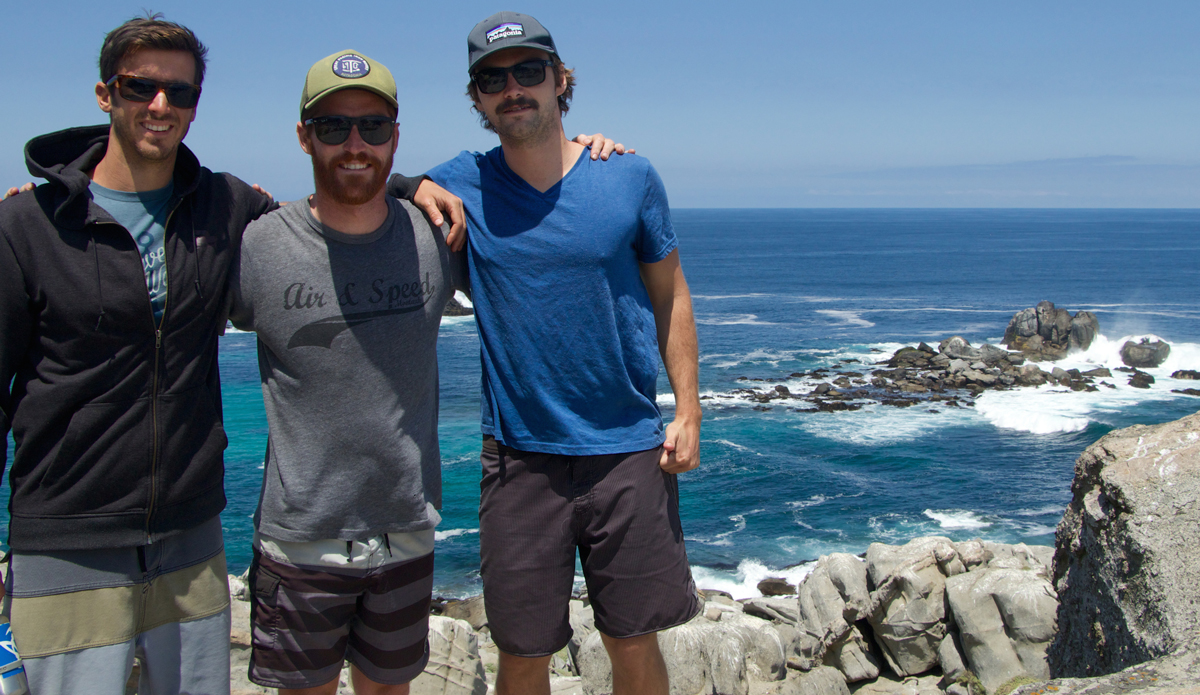
Bureo founders David Stover, Kevin Ahearn and Ben Kneppers. Photo: Bureo