-
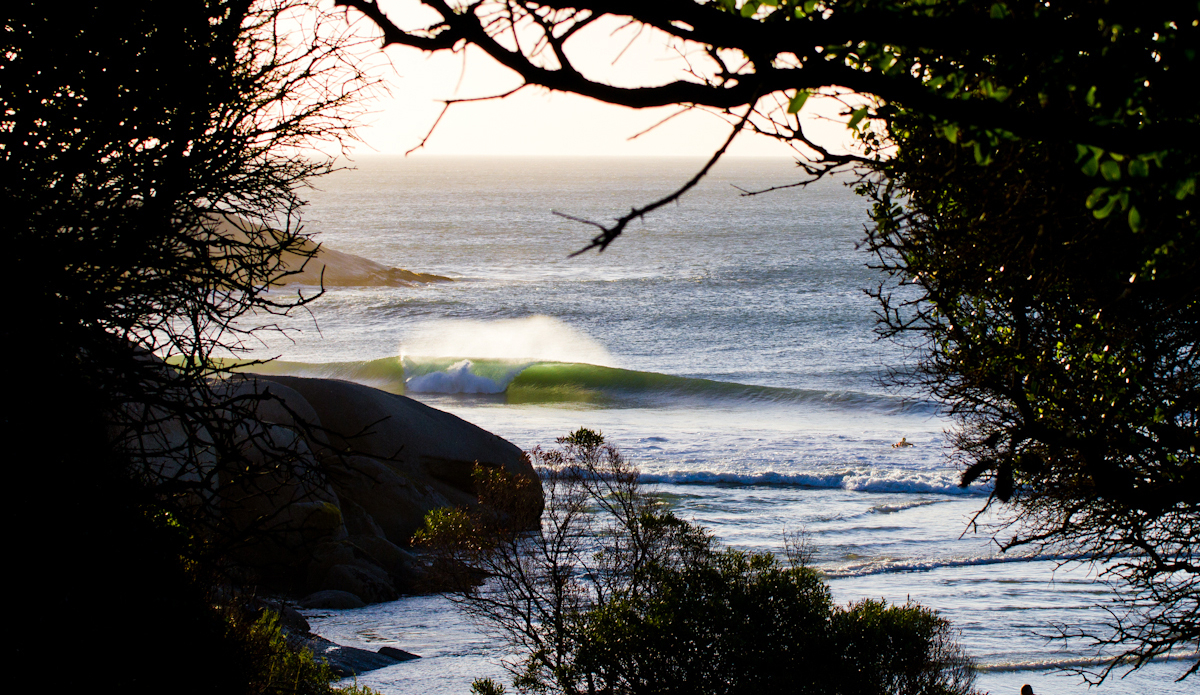
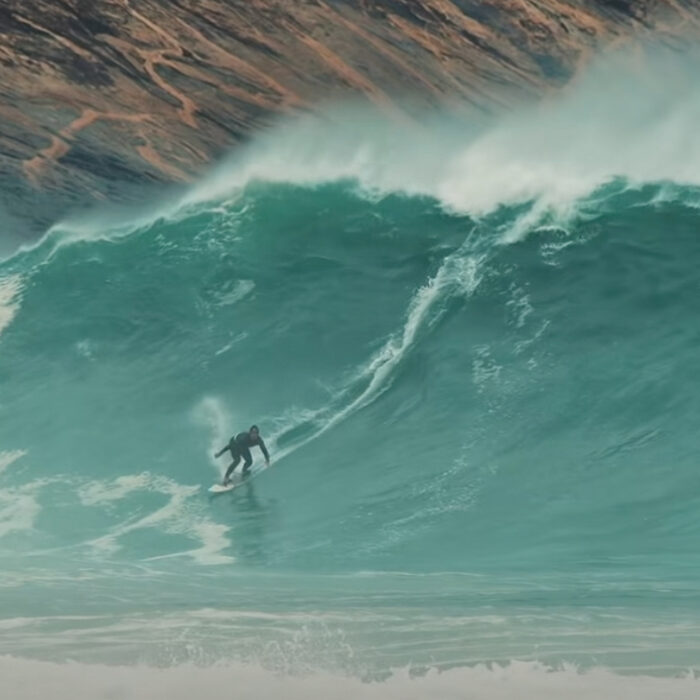
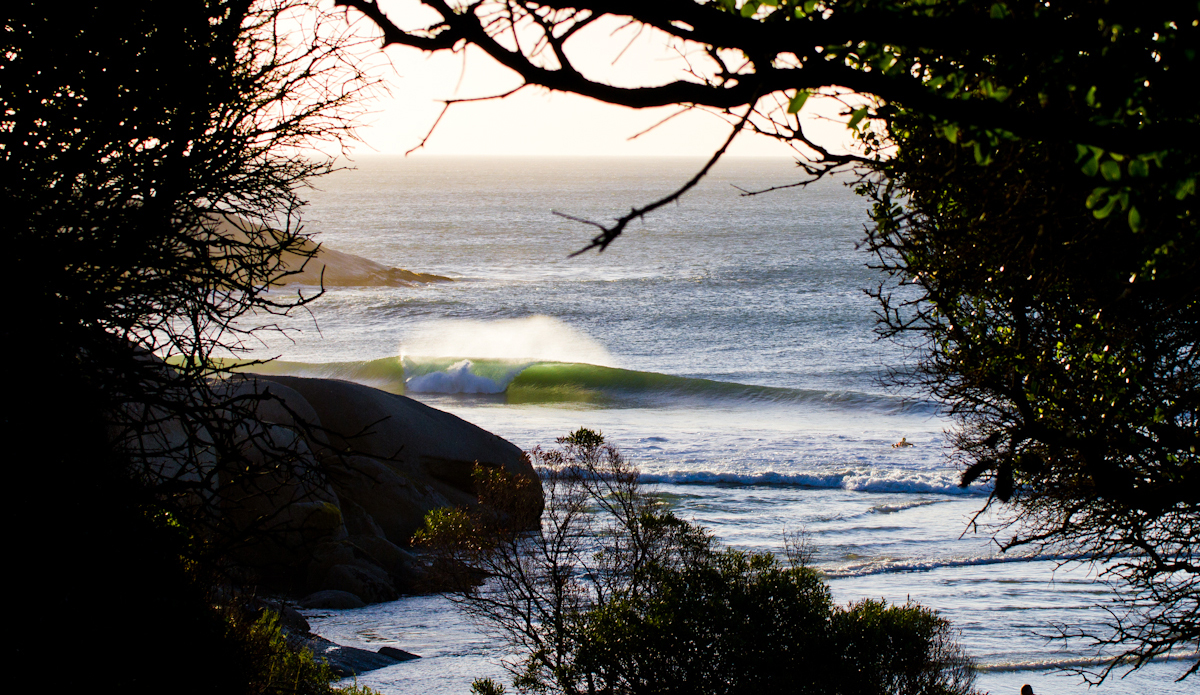
Here is the left hand side of Llandudno beach. Surfers usually flock to the right wedging side of the beach, but occasionally "leftovers" is firing. Photo: Ian Thurtell
-
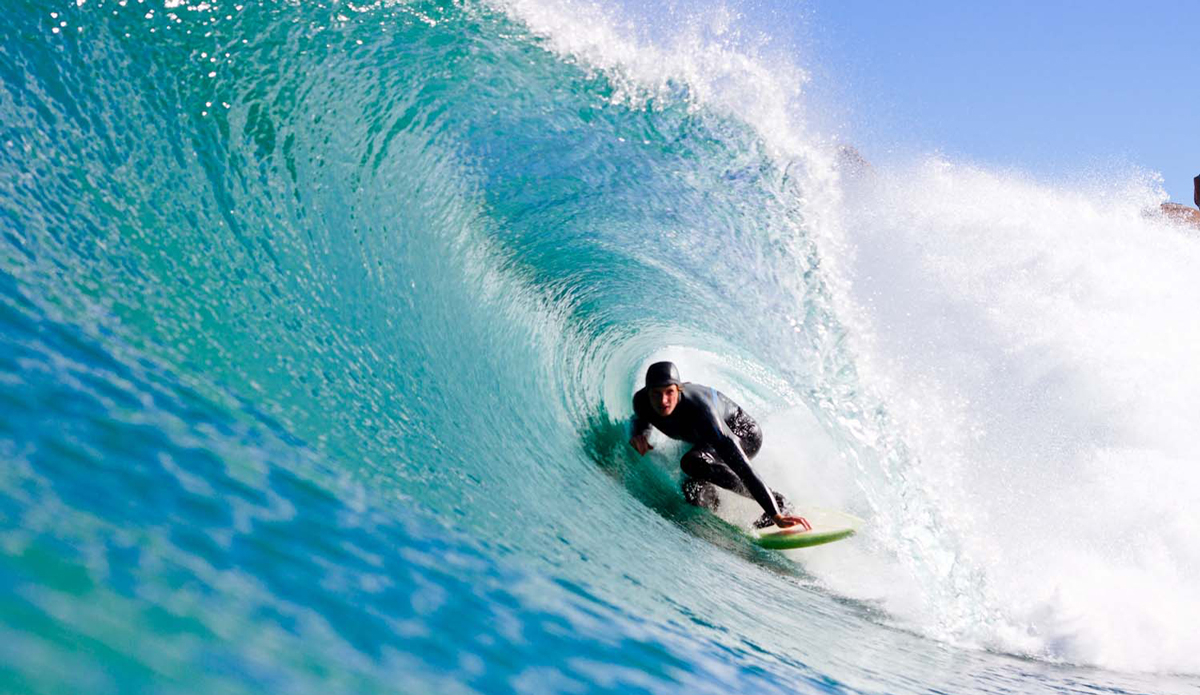
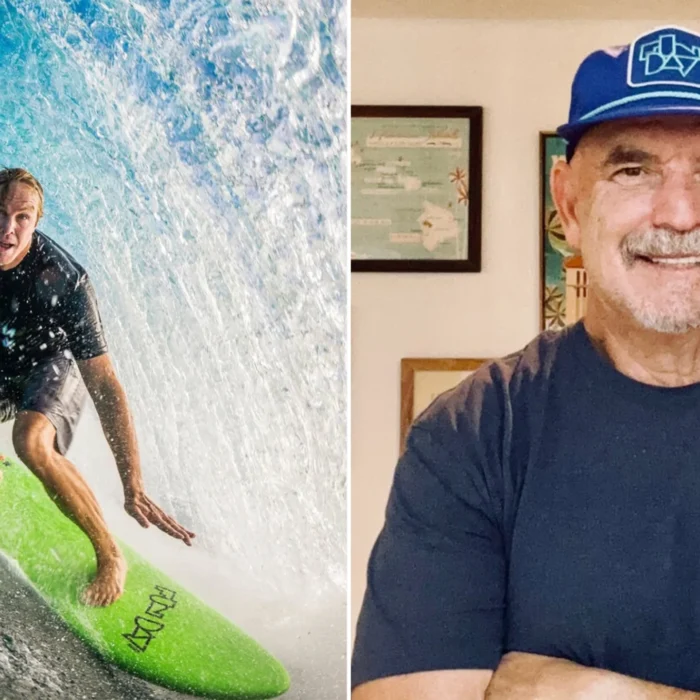
Josh Brodie is a Llandudno local, and one of the most solid surfers in the area. This morning, the light was epic and the waves were perfect. He decided to bring out this board, a long board reshaped into this fat and wide shredder. Photo: Ian Thurtell
-
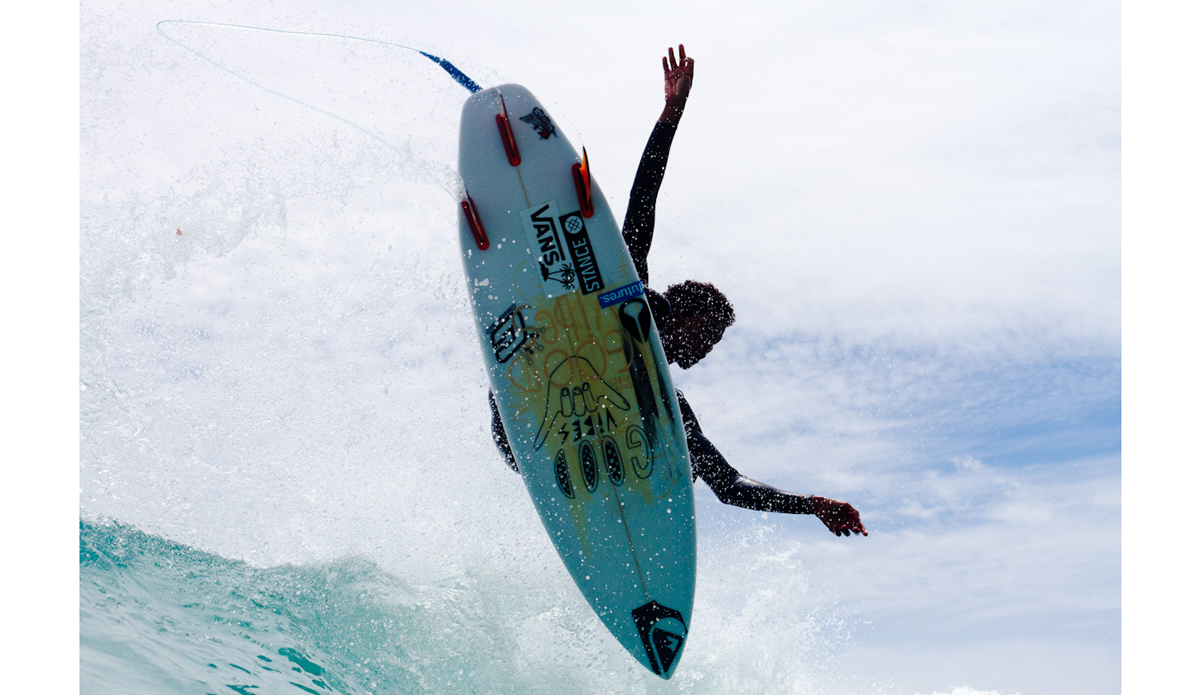
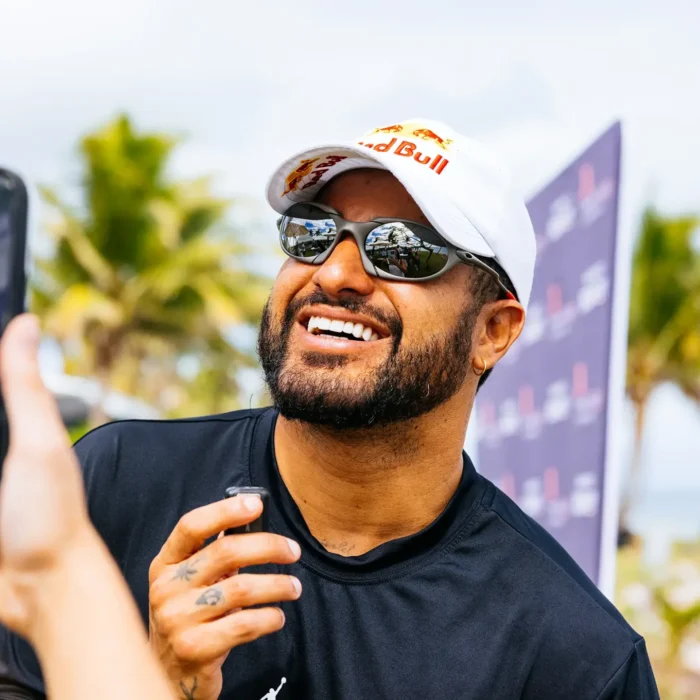
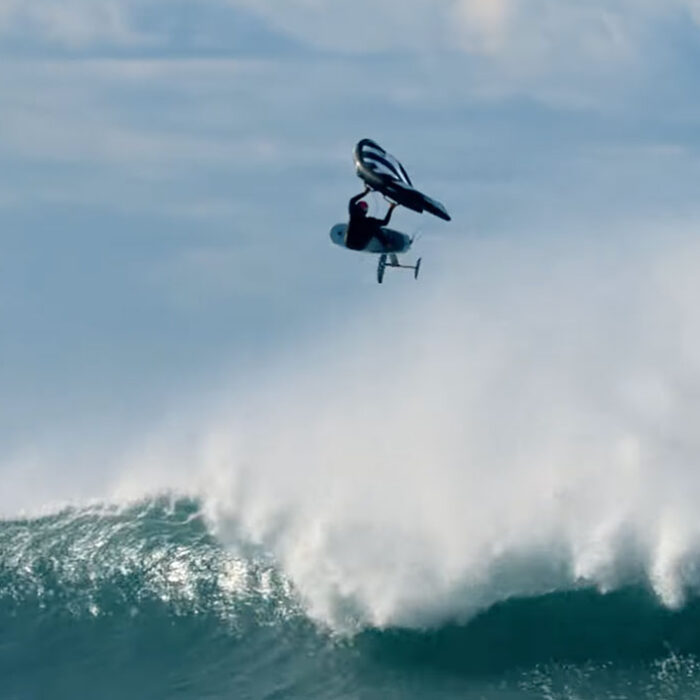
Michael February (or M-Feb as he's known to the local community) was recently busy surfing at the Australian Open of Surfing. But when he is not traveling, he is often at a deserted beachbreak near Cape Point, getting his fins loose, as seen here this past December. Photo: Ian Thurtell
-
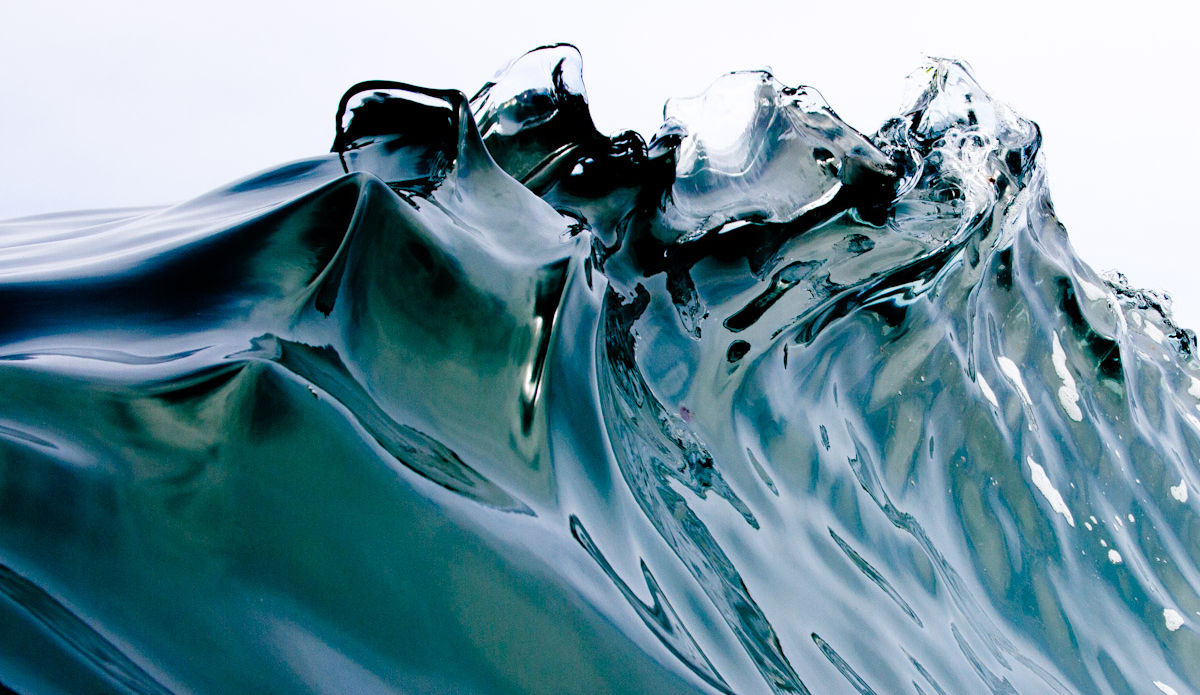
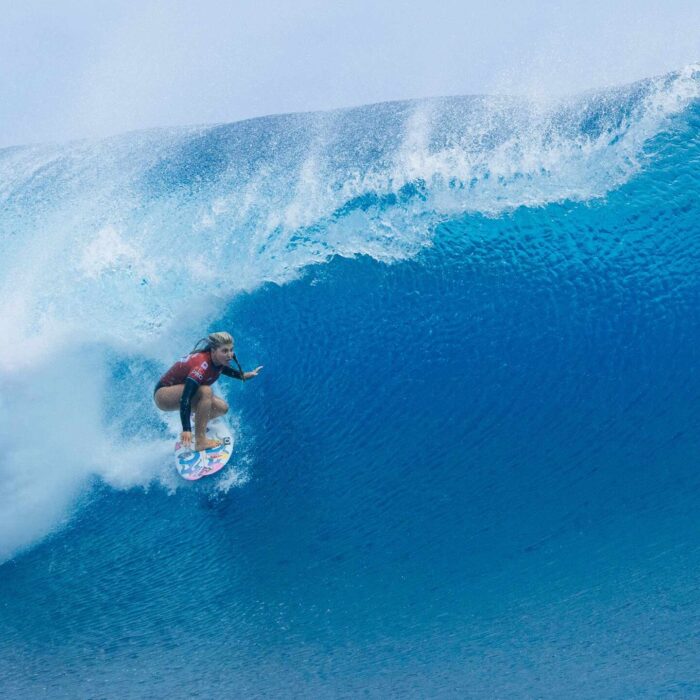
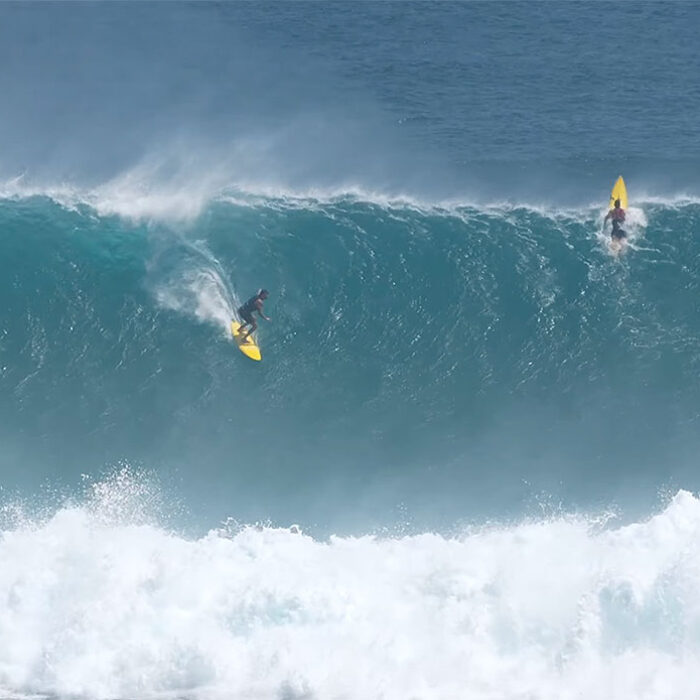
The next three images are from my favorite slab to photograph. The wave moves so fast. Photo: Ian Thurtell
-
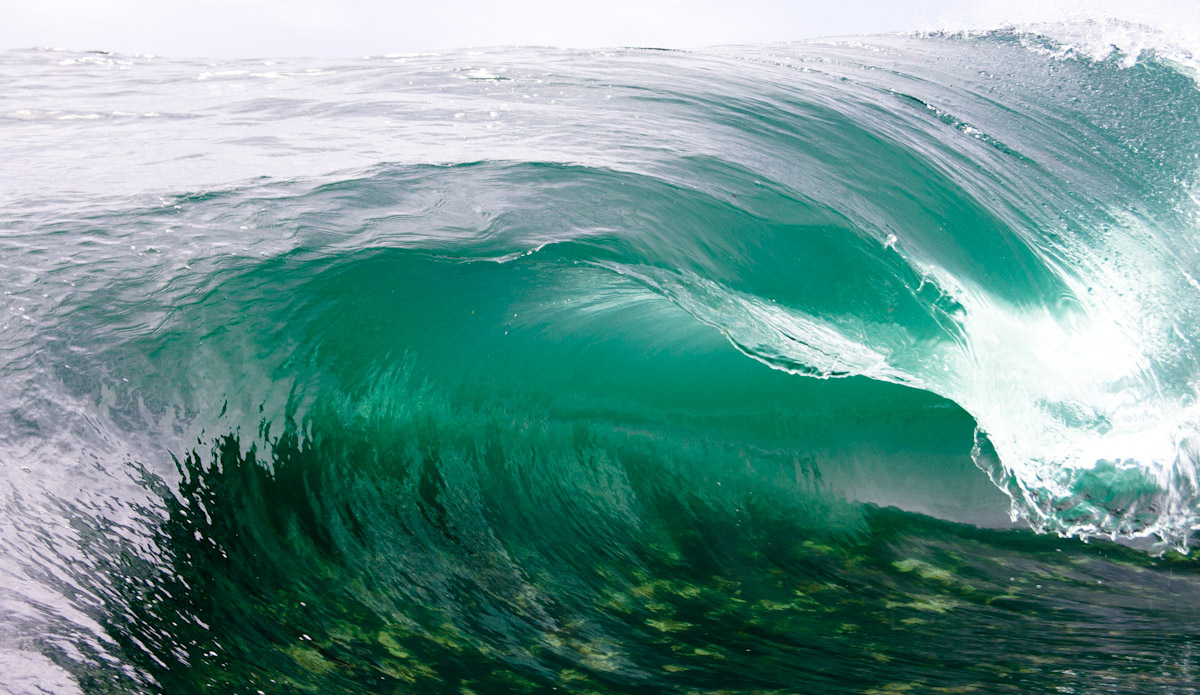
More of the slab. Photo: Ian Thurtell
-
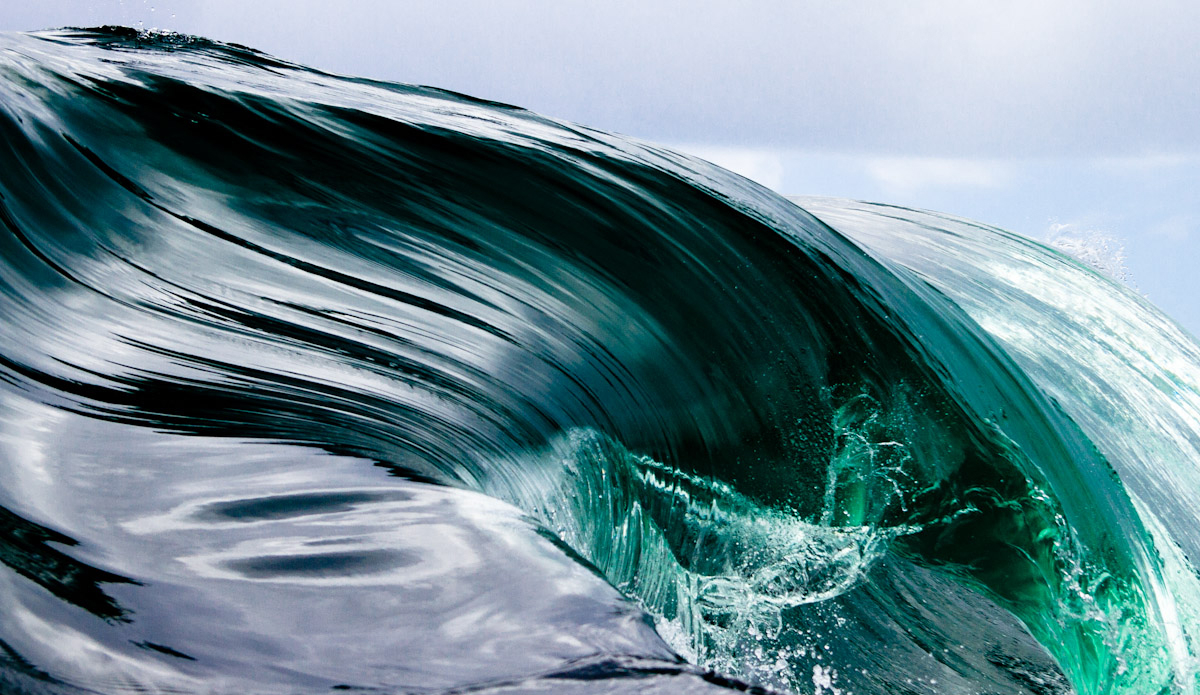
And a little more. Photo: Ian Thurtell
-
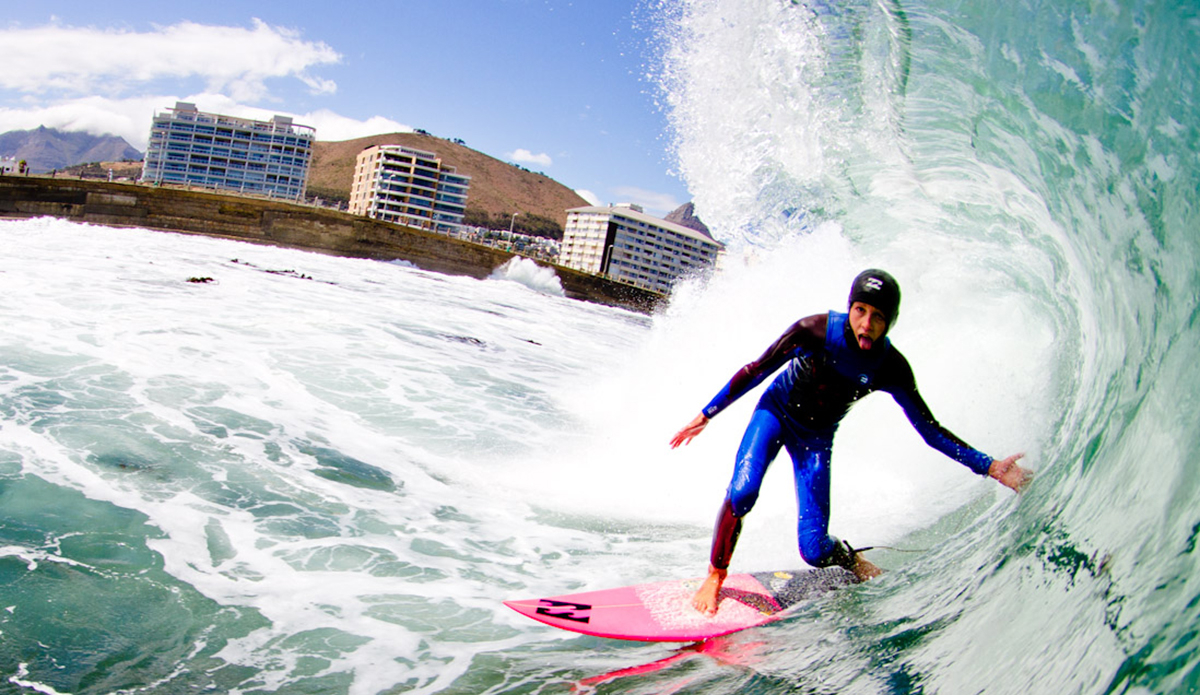
At 13, Max Elkington is one of our brightest junior surfers from Cape Town. This morning, he had the reef all to himself. Photo: Ian Thurtell
-
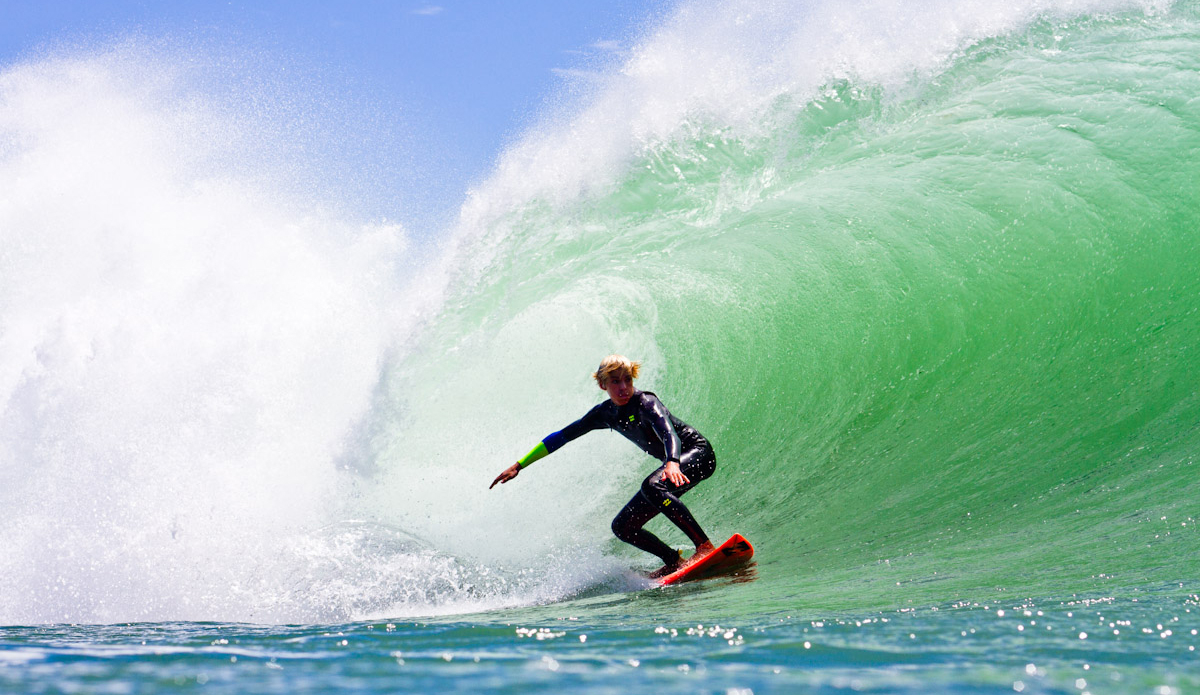
Max's older brother, Jake, also a rising star in the junior ranks. The two of them push each other every session they take. Photo: Ian Thurtell
-
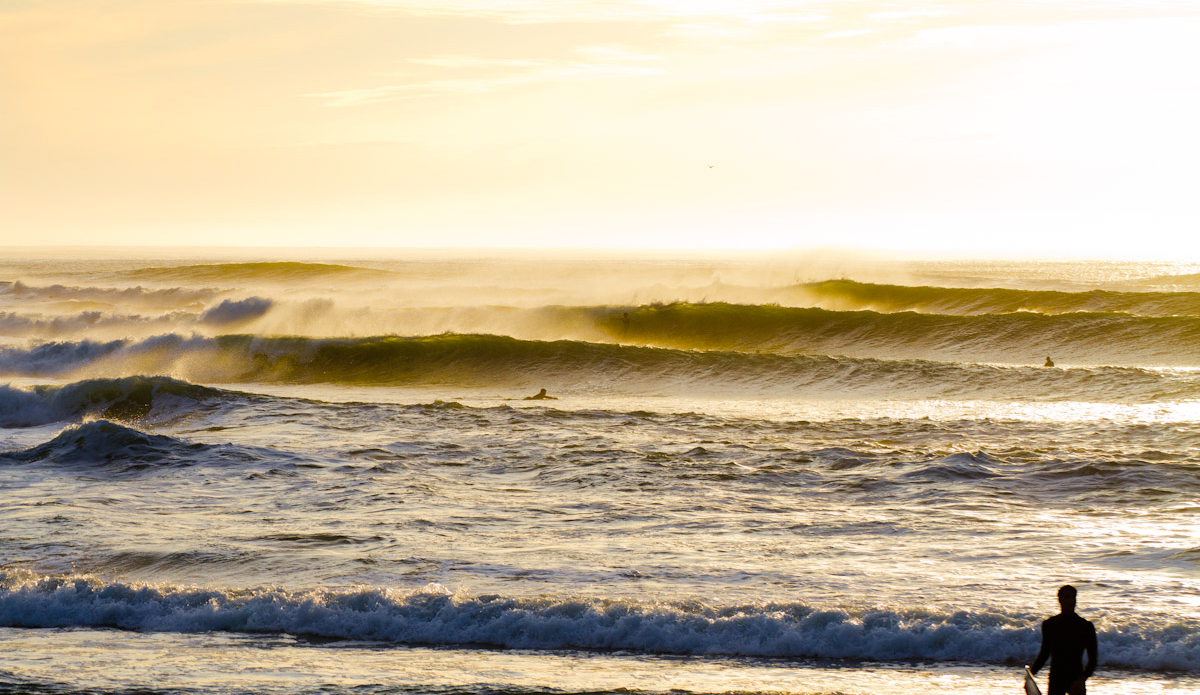
Moving three hours up the west coast, we run into Elands Bay. The point needs a fairly large swell to wrap into the bay and start working properly, but when the elements align, the place cranks. This shot and the next one were taken mid-winter, but looks more like an Indo lineup. Photo: Ian Thurtell
-
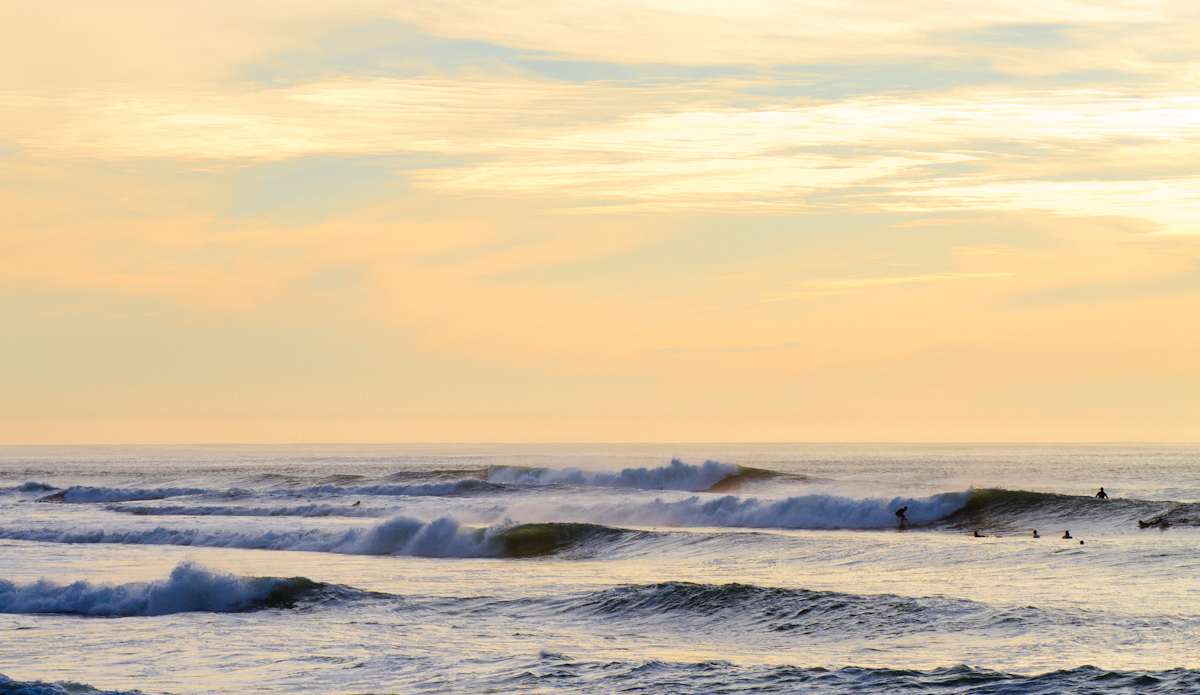
More of Elands Bay. Photo: Ian Thurtell
-
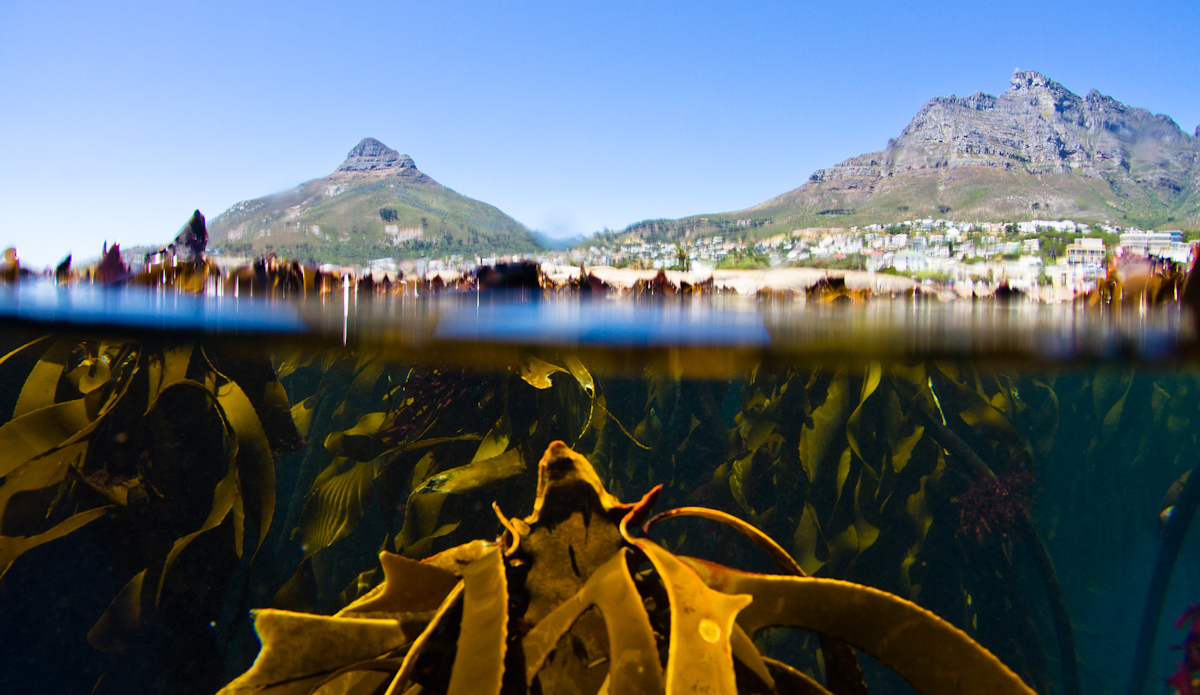
Another thing that Cape Town surfers know all about is the thick kelp that is attached to all our reef breaks. Often a hindrance from above with its hard thick heads, the view is majestic from below. Photo: Ian Thurtell
-
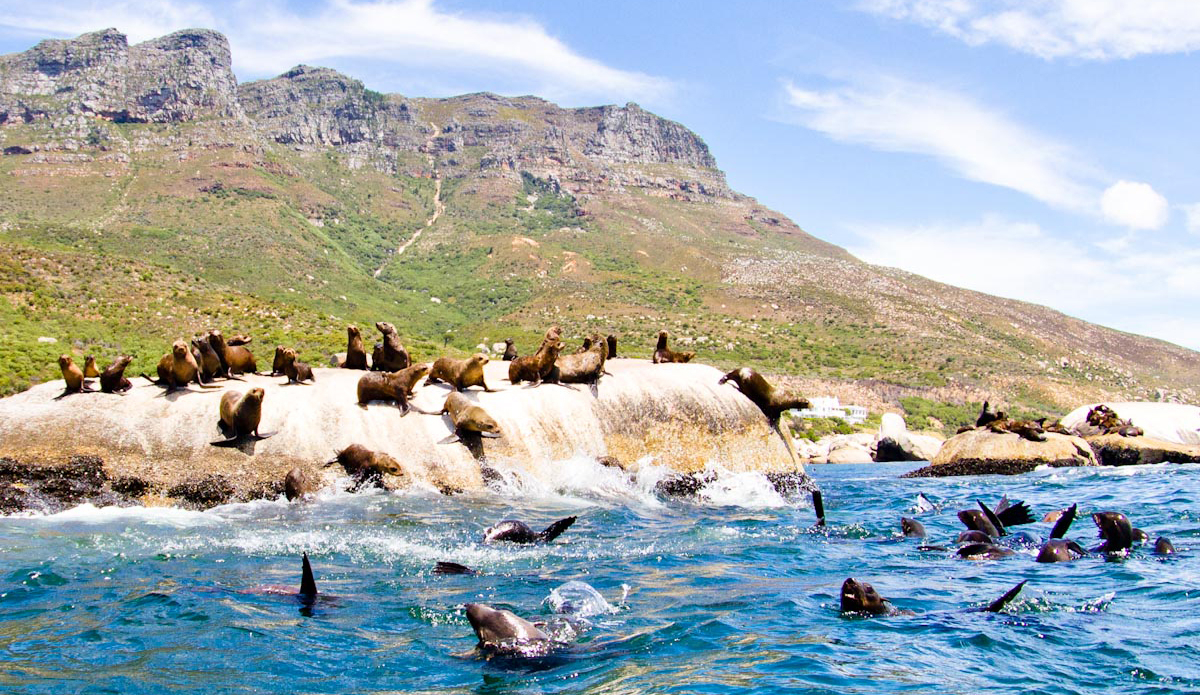
The cape waters are teeming with life as National Geographic will show you. This little island is about 300 meters offshore from the coastal road near Camps Bay. I took out a sea kayak and paddled out to them. At first, the seals were unsure and swam off. But soon enough they returned and swam around me. Photo: Ian Thurtell
-
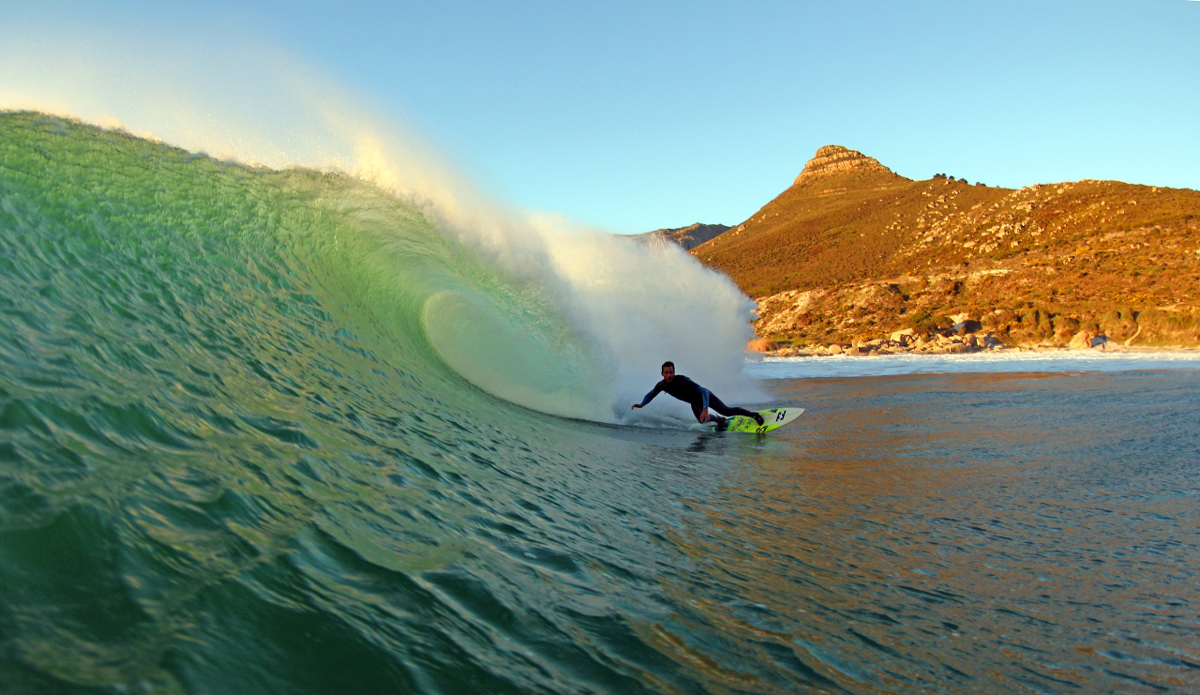
This little bay is a short 20 minute walk from Llandudno. When the swell gets too large for Llandudno, everyone rushes off to this sandy little bay. Ryan Payne and I arrived late afternoon this day to find only one other person out. Photo: Ian Thurtell
-
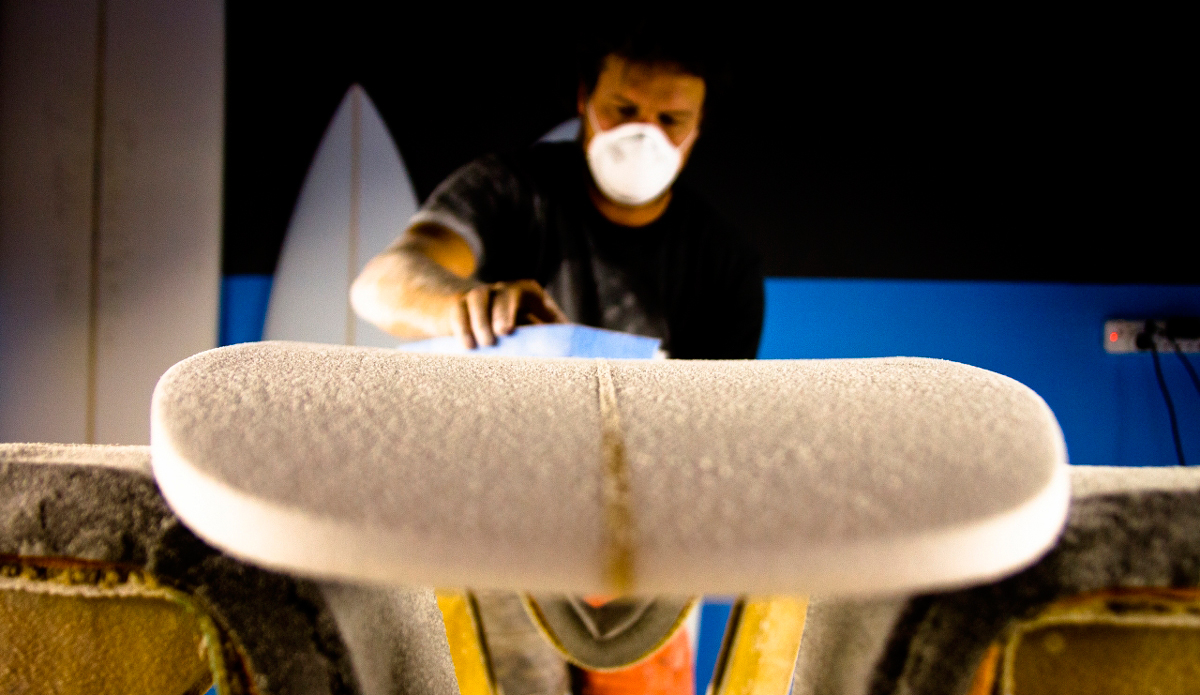
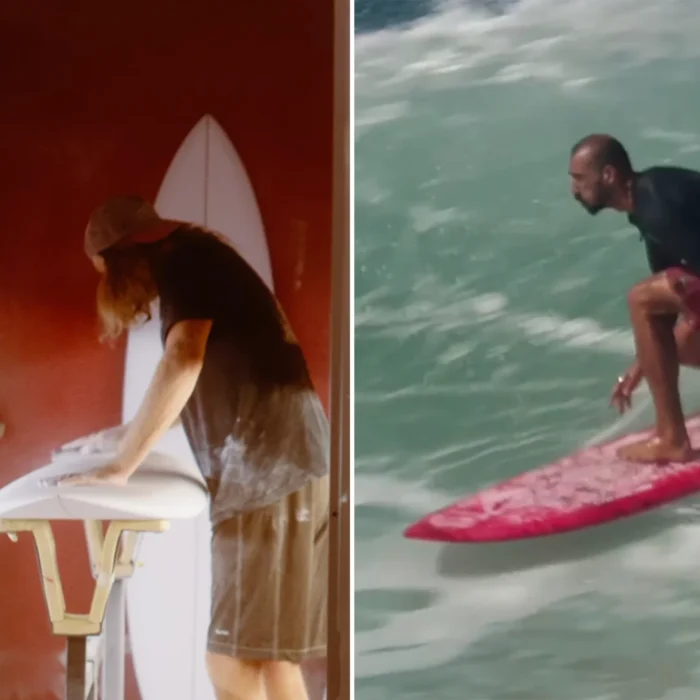
One of Cape Town's best shapers, Dutchie. Photo: Ian Thurtell
-
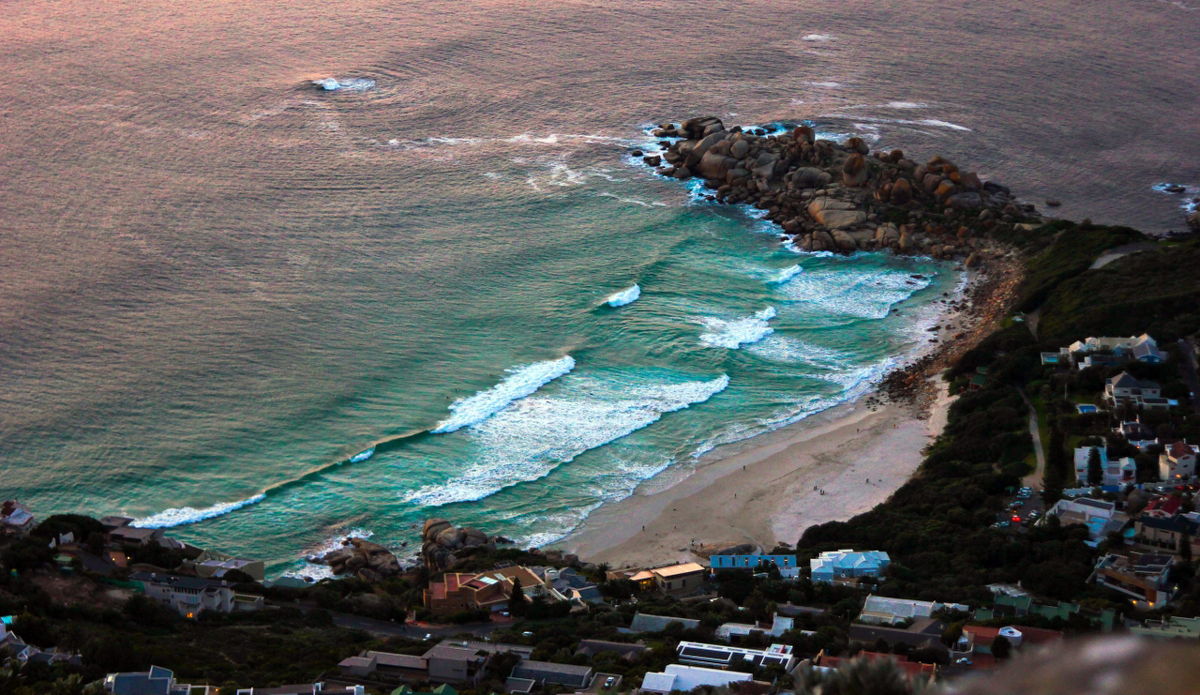
This is a view from a mountain peak that overlooks my local beach Llandudno. Photo: Ian Thurtell
-
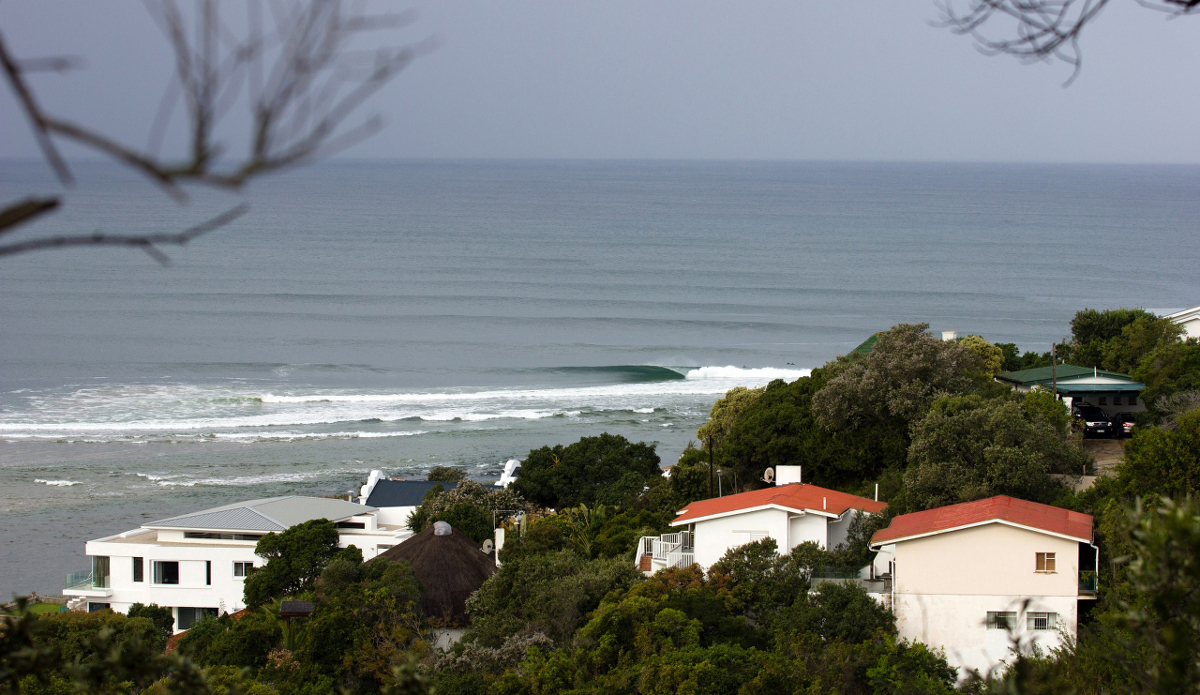
This setup was about a five hour drive from Cape Town up the east coast and about an hour from J-Bay. During my most recent stay, it looked like this for four days straight. One afternoon, I met some California surfers who had surfed it before driving on to J-Bay, but quickly came back. They couldn't believe people were hassling over two-foot Supertubes when this had four guys out and was five feet. The day after this short was taken, a huge storm hit with pouring rains that flooded the river and burst its banks. Since then, the river banks silted up and the wave no longer exists... Photo: Ian Thurtell
-
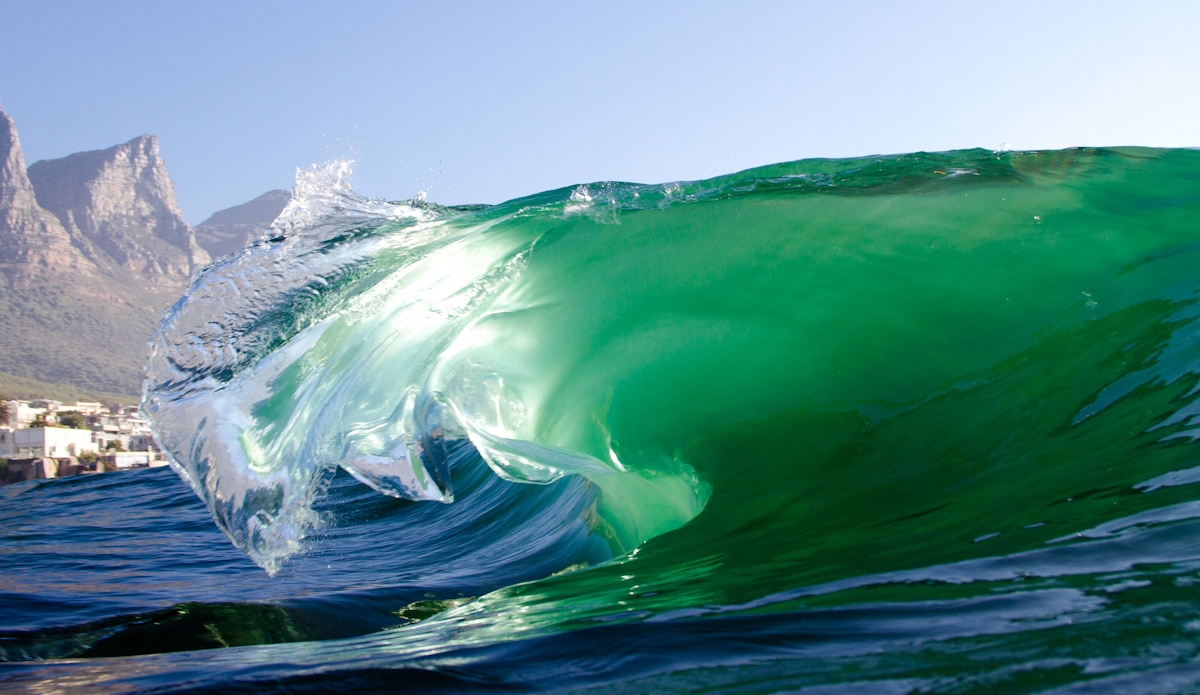
This neat little slab is in the heart of Cape Town's summer beach area. The drop off on every side of the reef has swells wrap around and create the craziest wave forms. Photo: Ian Thurtell
-
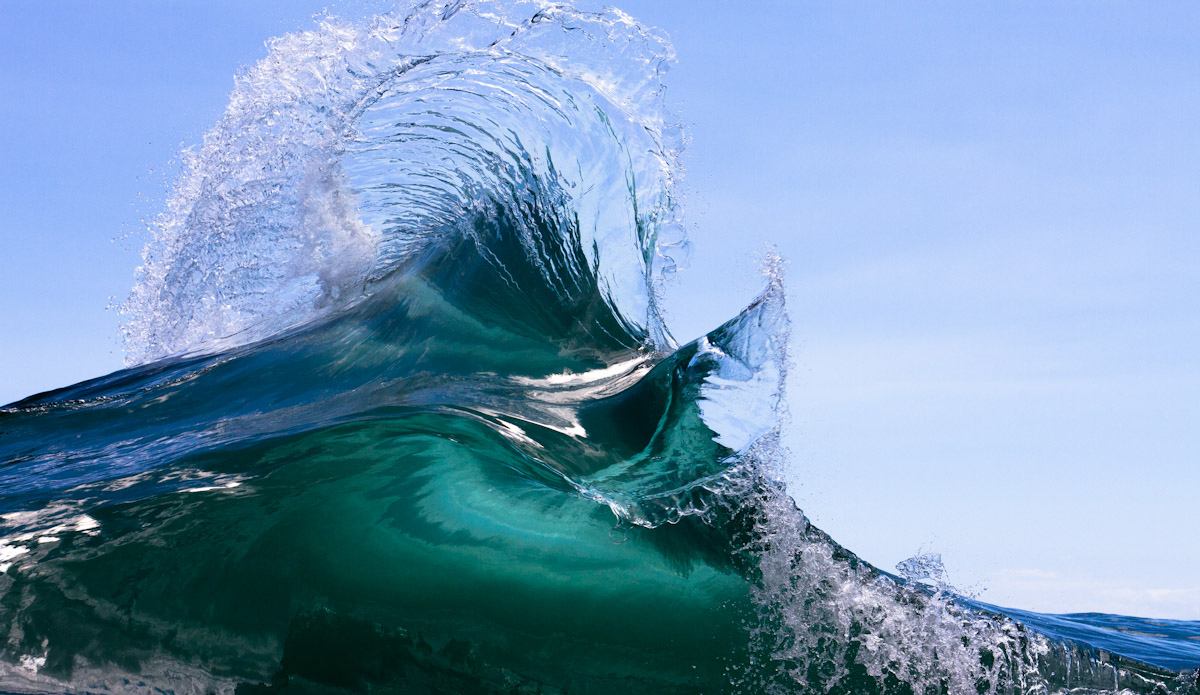
Sam slab, different moment. Mind bending. Photo: Ian Thurtell
-
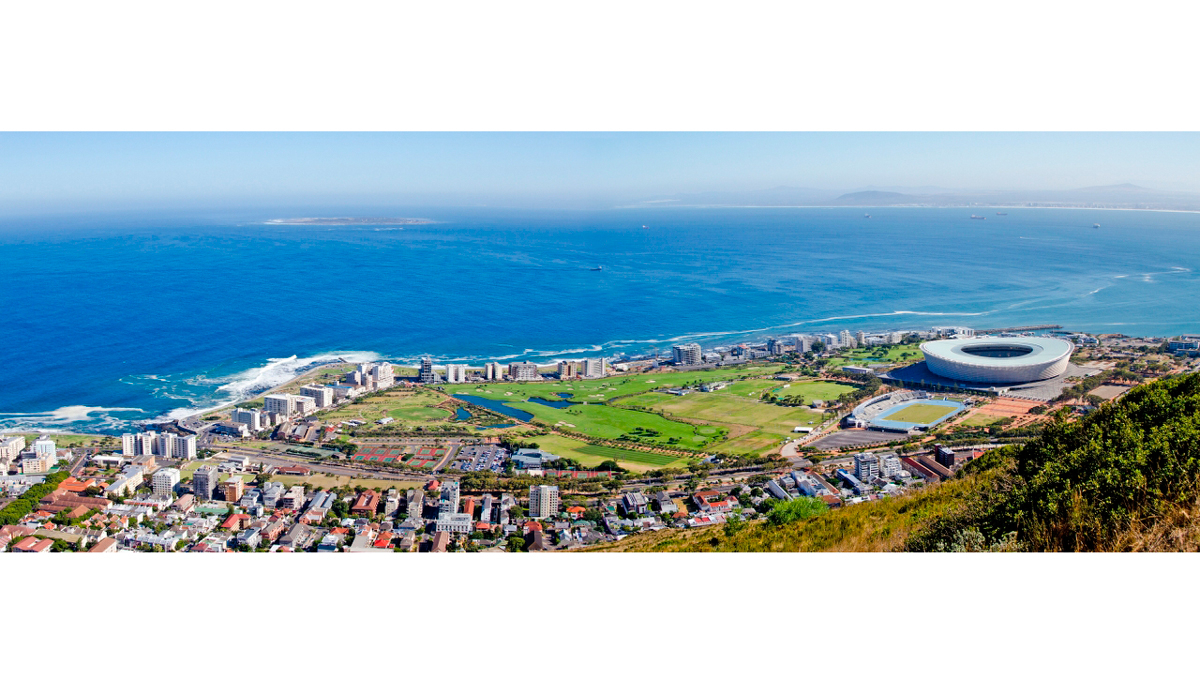
This is the view from Lion's Head, part of Table Mountain, looking down onto Sea Point, Green Point, and the 2010 World Cup football (soccer) stadium. In the top left side you are able to see Robben Islan where freedom fighter Nelson Mandela was incarcerated for 18 years. Photo: Ian Thurtell
-
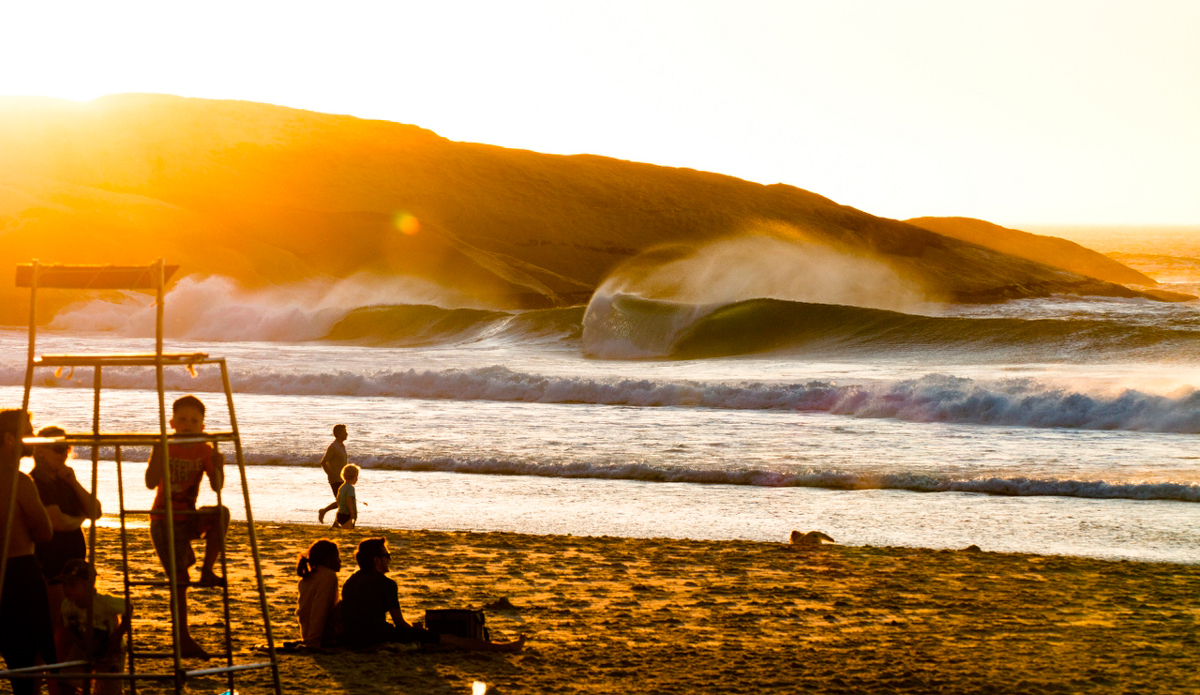
This is Llandudno again, my home break looking amazing in the evening summer light. Photo: Ian Thurtell
Cape Town… you’ve probably heard of it. After all, it is one of top top cities of the world — home to Robben Island, Nelson Mandela, Table Mountain, the world renowned beaches of Clifton and Camps Bay, and if you happened to have watched any of the National Geographic channel, I’m sure you’ve also heard a thing or two about our Great White Shark population. Anyway, I’m lucky enough to call this great city my home.
And in Cape Town, we surfers are particularly lucky. We have the Cape Peninsular with its east and west facing beaches, which means that on any given day of the year, we only need to drive two hours to find ridable waves with an offshore wind. To our north we have the desert-like west coast, which is littered with uncrowded lineups, and then to the east we have the warmer water of classic point breaks like Jeffreys Bay.
Thus, with surfers being so lucky, being a surf photographer in Cape Town area is incredibly inspiring. The light we get is often super crisp, and the ocean color ranges from wintery brown tubes to light blues and greens come summer. The variety in our breaks is also a blessing, When the spots are working, I could shoot anything from a world-renowned big wave or a physco slab, to a wedging beachbreak or protected cove. And when the swell is maxing, all this is a mere 10 minutes away!
To see more of Ian Thurtell’s work, be sure to visit his website and don’t forget to follow him on Instagram.