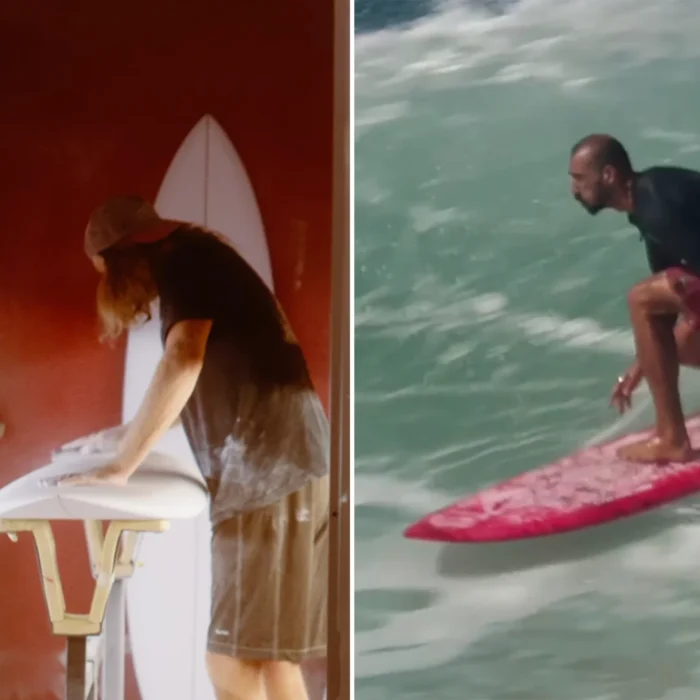
Glenn Pang has been shaping surfboards for over forty years. Most of that time, he’s been doing it for T&C Surfboards, and he’s a big part of the reason the brand is as legendary as it is. He knows all the ins and outs of what the little things do to a surfboard’s performance, and he’s more than willing to share his knowledge.
In a recent installment from T&C, Pang breaks down something that a lot of people don’t really think about: the deck. It’s an easy part of the surfboard to disregard — you’re just standing on it, after all — but different decks make a surfboard react differently in different situations.
“Dome decks, flat decks, and step decks represent distinct approaches to surfboard deck design,” T&C wrote, “each offering unique characteristics that can significantly influence a surfer’s performance on the waves.”
If you’re a reader rather than a watcher, here’s how Pang and T&C explained a few different deck designs:
“A dome deck refers to a convex-shaped deck, where the centerline of the board is slightly elevated, creating a curved profile. This design element enhances responsiveness and maneuverability, allowing surfers to make quick turns and transitions with ease.
In contrast, a flat deck maintains a level surface throughout the board’s width, providing stability and a larger platform for foot placement. Flat decks are popular among surfers seeking maximum control and a solid base for generating speed.
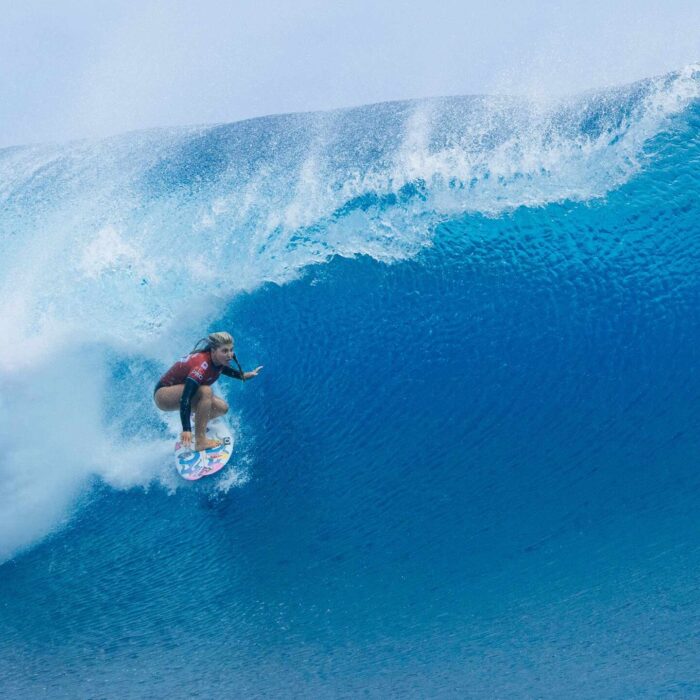
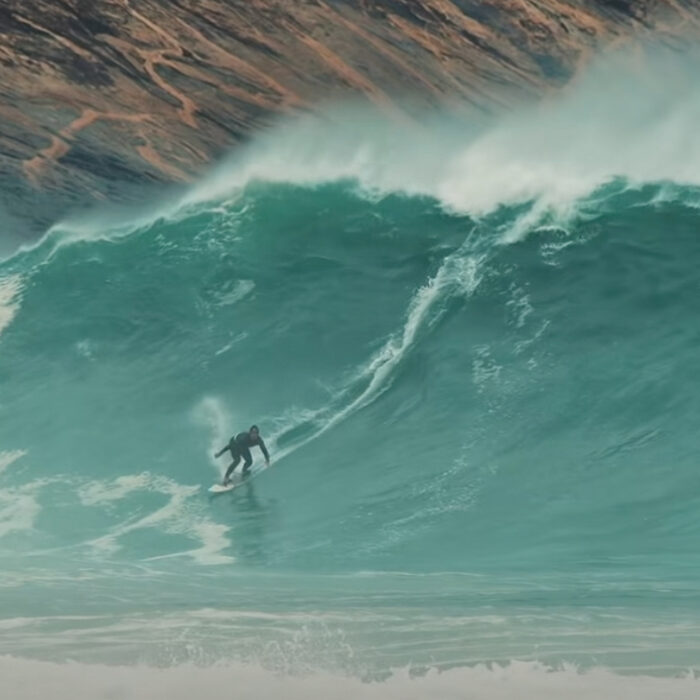
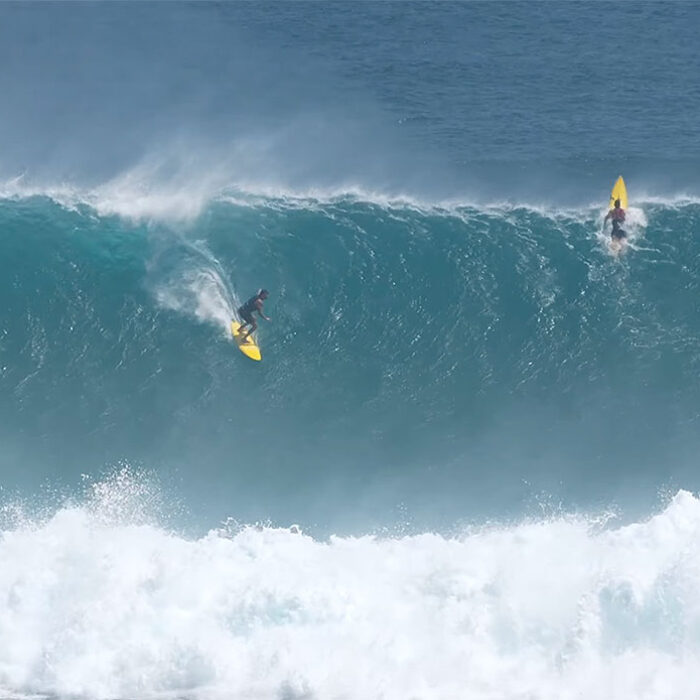
Lastly, step decks incorporate a pronounced step or drop in the deck profile. This design feature can improve water flow and reduce drag, resulting in enhanced speed and acceleration, making step decks ideal for high-performance surfing in powerful waves.”