-
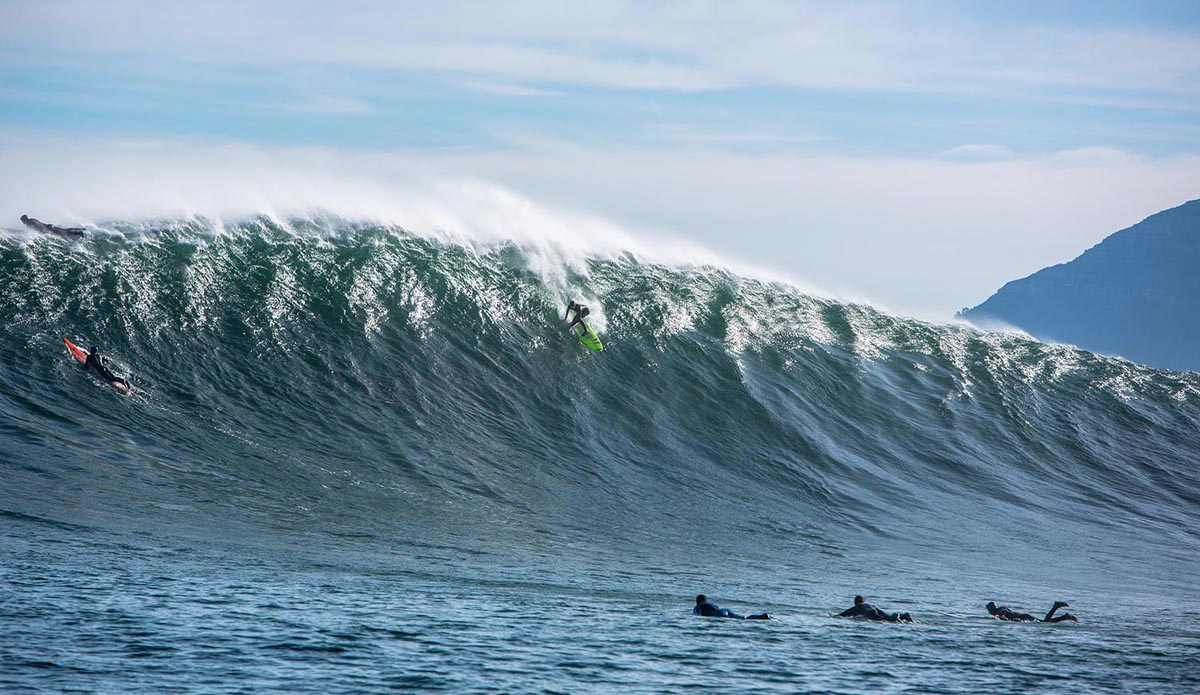
Two of South Africa’s better emerging big-wave icons: Matt Bromley and Sunset Reef. Both are sfrom Kommetjie, Cape Town. Photo: Alan Van Gysen
-
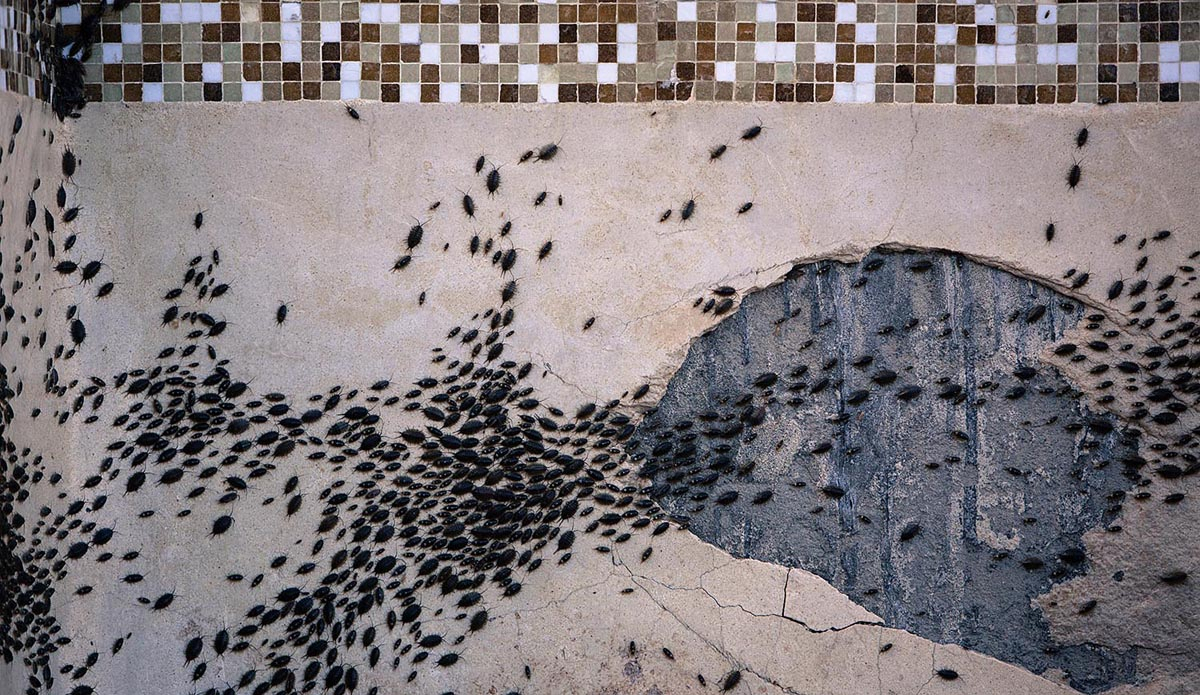
Sea lice on the move. Mass migrations begin at every big wave spot shortly before a swell hits. If you see them moving from sea to land you know somethings coming. Photo: Alan Van Gysen
-
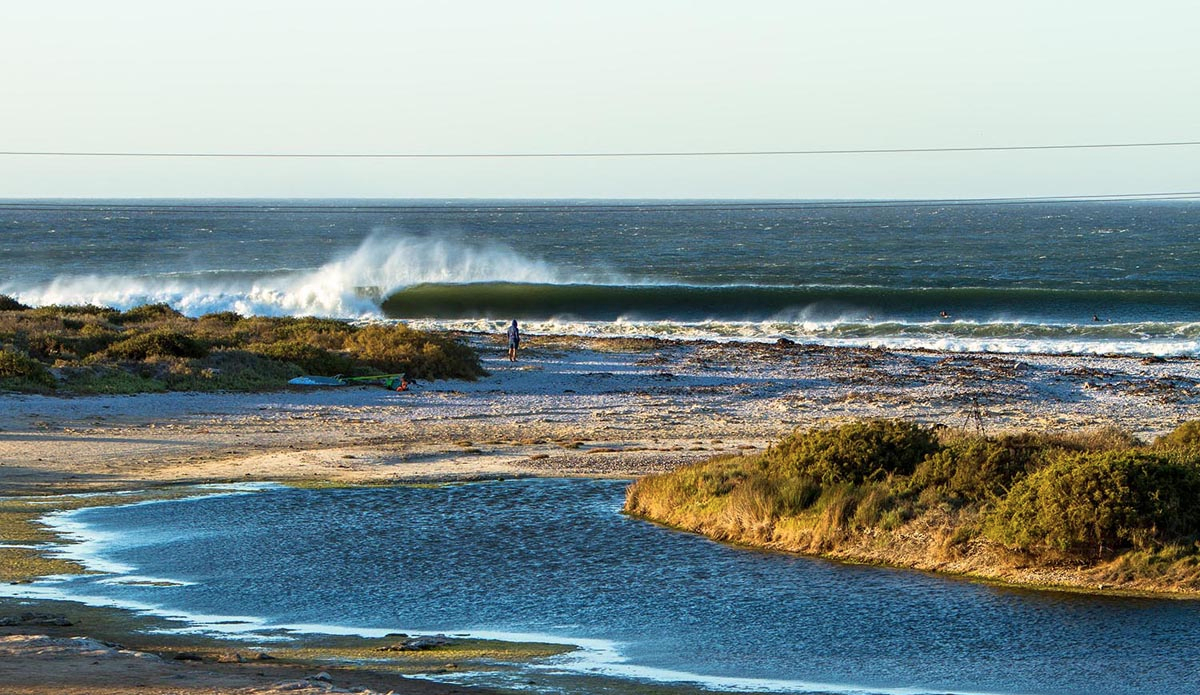
South Africa has left points, too, up the barren West Coast. This is Elands Bay, famous for its abundance of crayfish (lobster) and freezing cold water. Photo: Alan Van Gysen
-
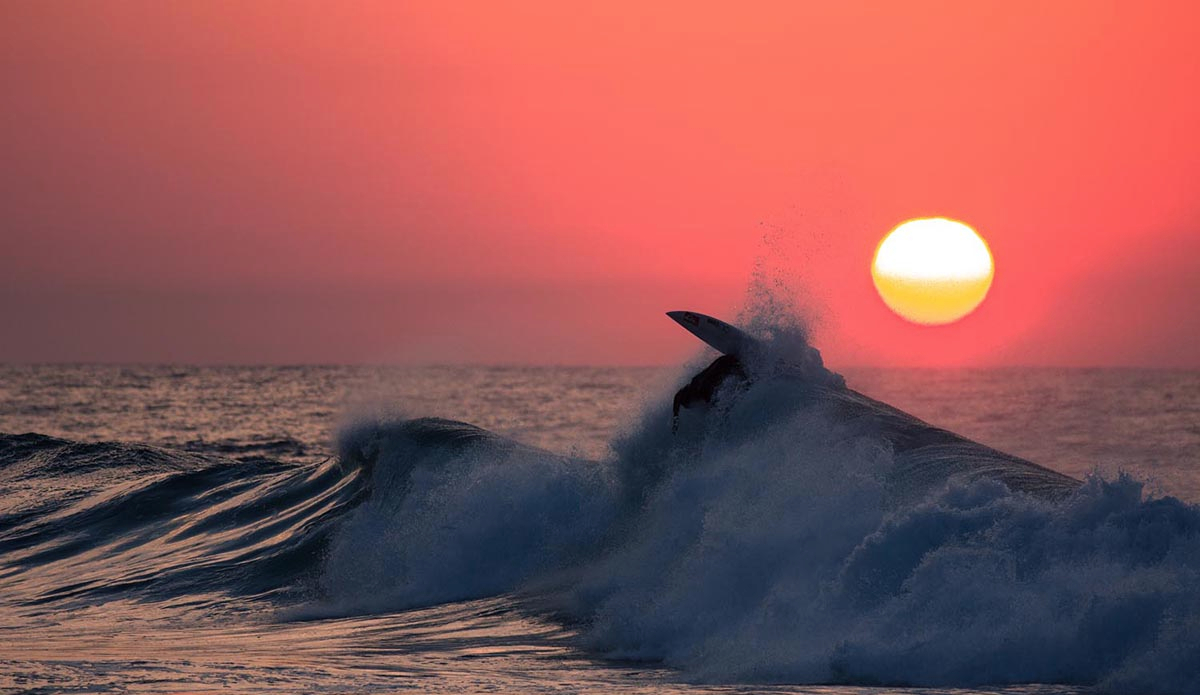
The sunrise and sunset from east to west with all manner of waves between. Ballito at dawn with traveling pro Ramzi Boukian. Photo: Alan Van Gysen
-
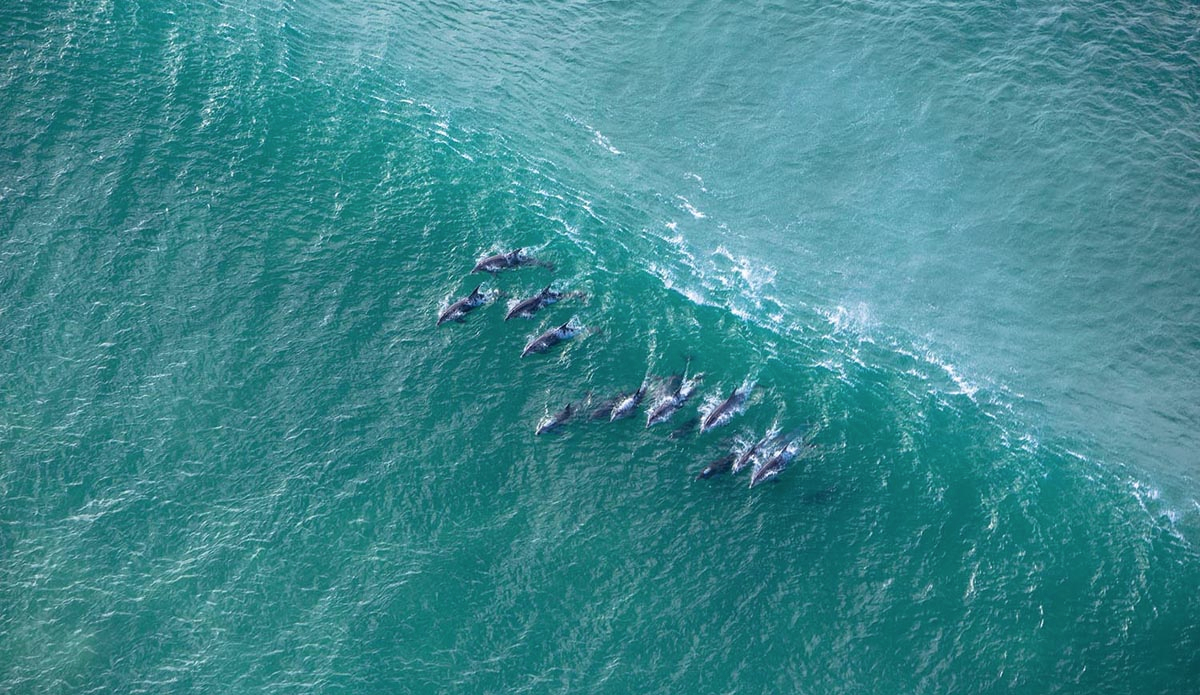
No mistaking their fins from the air—the beautiful and true wave warriors of Jeffrey’s Bay: the bottlenose dolphin. Photo: Alan Van Gysen
-
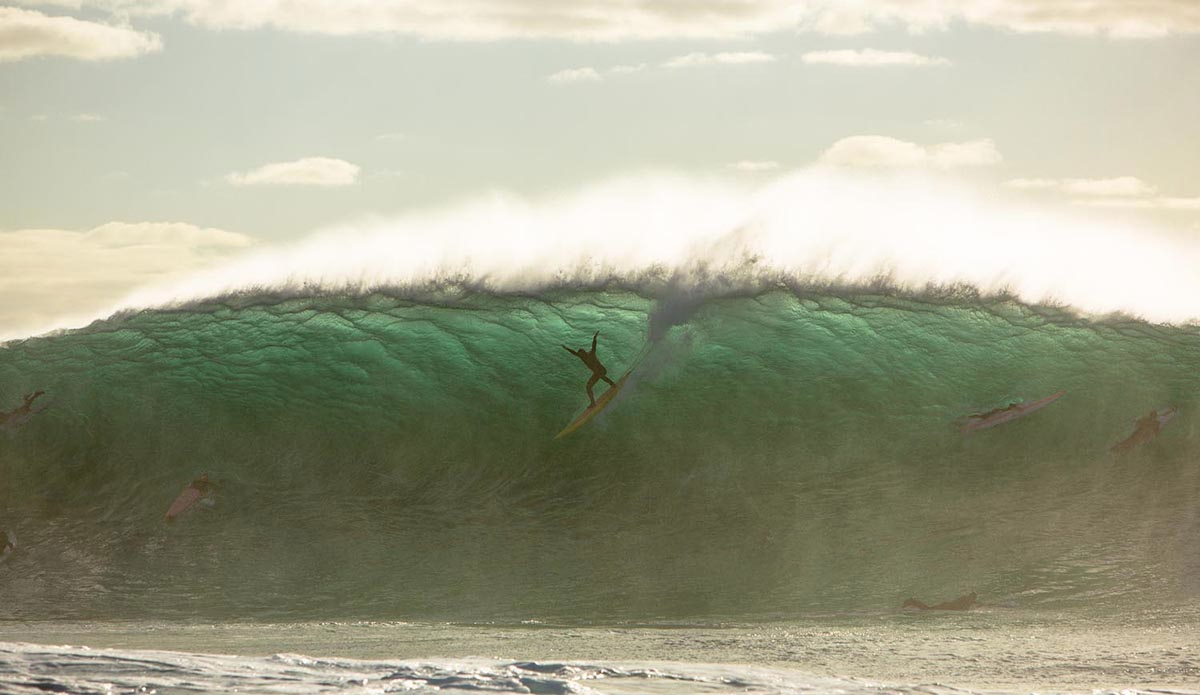
South Africa’s "Sunset" is one of its prized big-wave spots just across the bay from Dungeons. Being a more perfectly shaped reef, it looks more inviting than, say, Dungeons. But due to its wedging, focused nature, it’s actually far more dangerous and powerful at times, trapping surfers in the impact zone and dealing out multiple wave hold-downs. Upcoming star James Lowe from Kommetjie above the zone. Photo: Alan Van Gysen
-
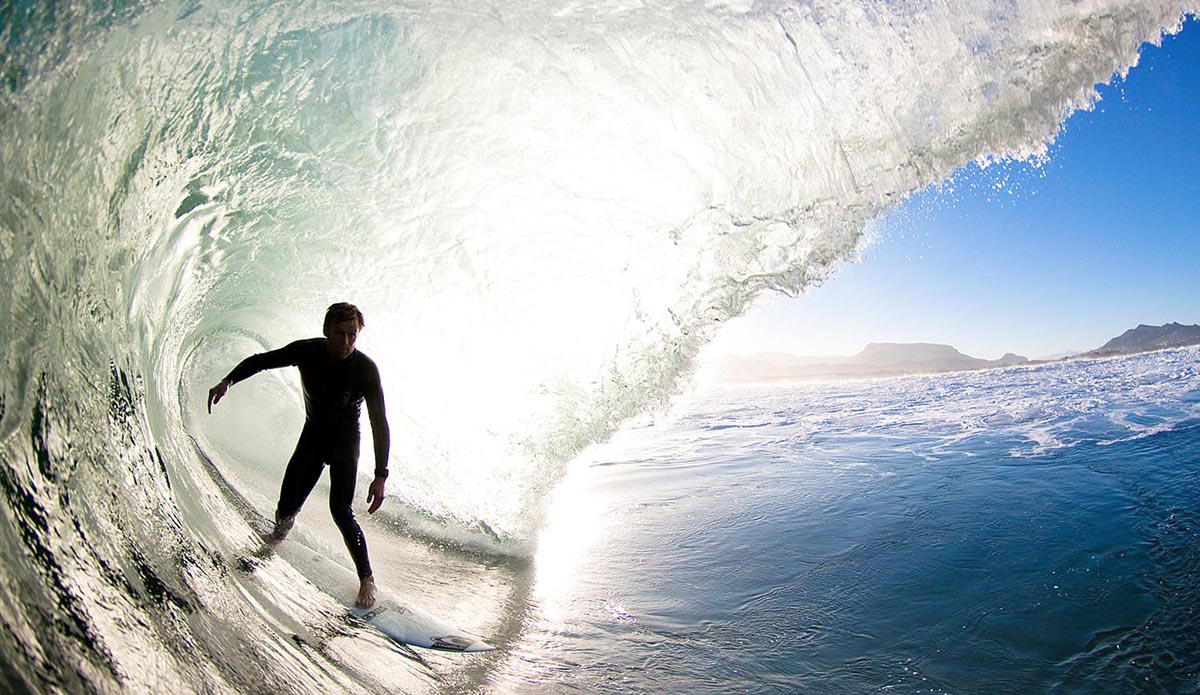
Before he managed Jordy Smith and then Mick Fanning, Jarrad Howes was a strong QS competitor who enjoyed chasing cold, heavy waves around the world—especially for events like O’ Neill's Coldwater Classic Series in Cape Town. Photo: Alan Van Gysen
-
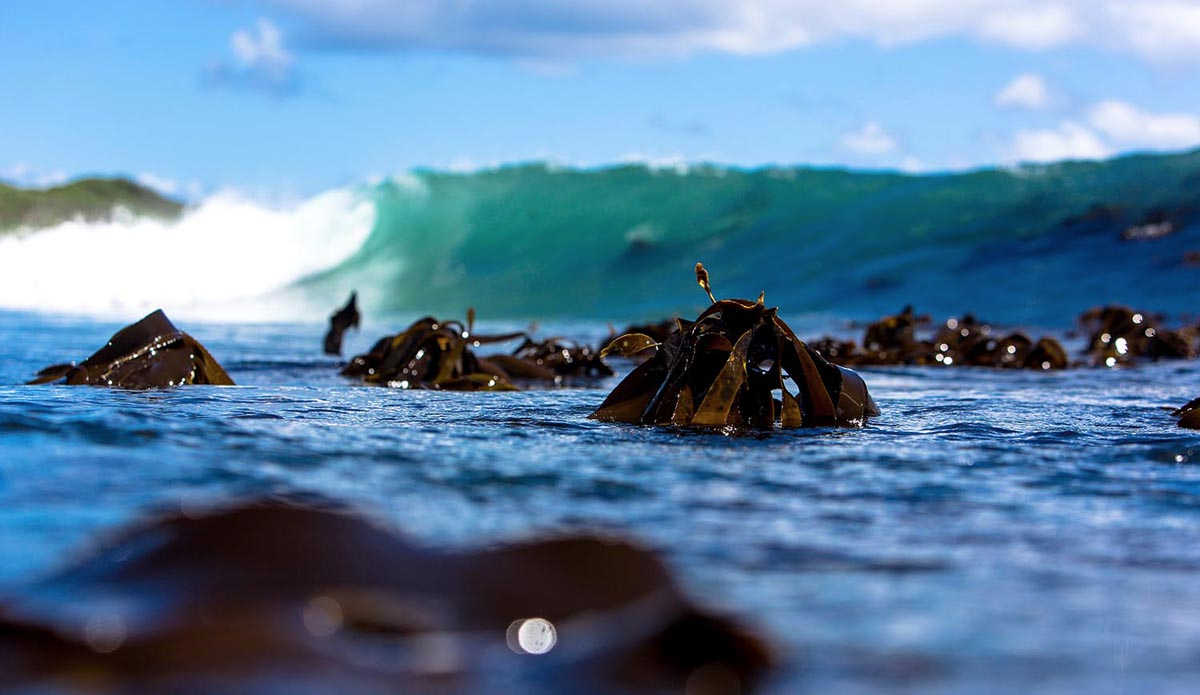
As in most third world countries around the world, South Africa is suffering one of its worst poaching eras in recent years. From rhinos and elephants for their tusks to the land, abalone, and crayfish from the sea. The problem is far-reaching and devastating to witness. Thanks to the decimation of the abalone population around the Cape, thick bull kelp has sprang up, rampantly affecting many good surf spots. The abalone feeds off kelp, and in a stable ecosystem, would keep the balance in check and fins free of multiple speed bumps down the line. Photo: Alan Van Gysen
-
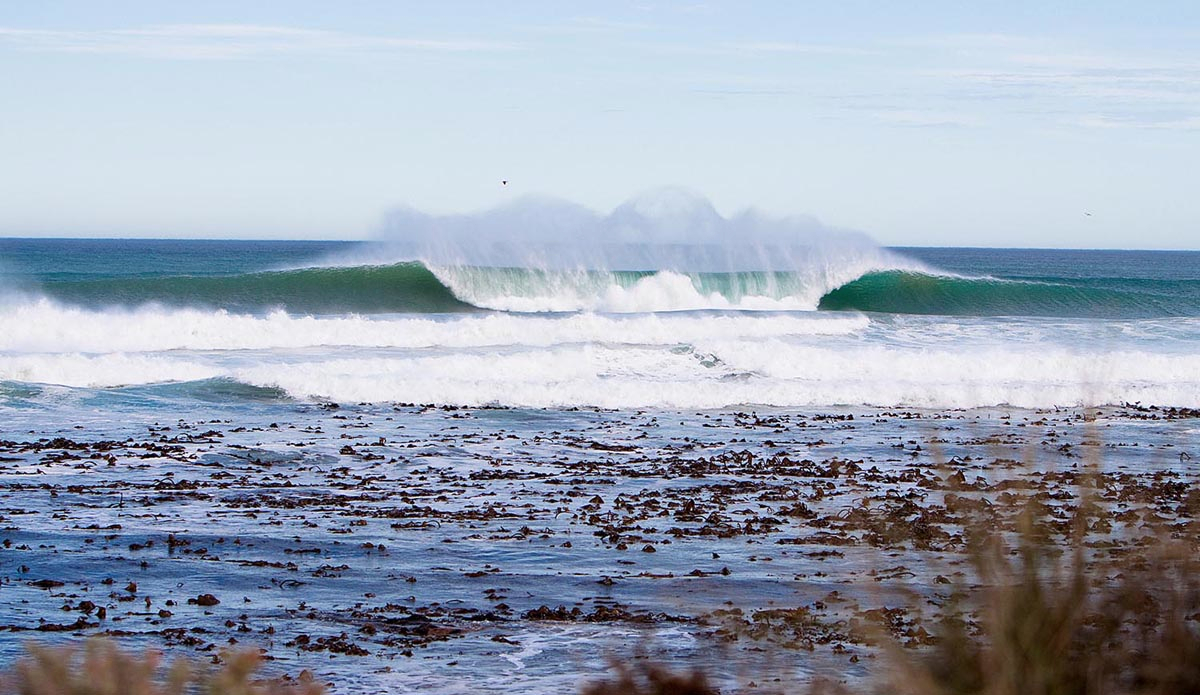
A secret big-wave peak in the semi-desert region of the Northern Cape, a few hours drive from Cape Town. Photo: Alan Van Gysen
-
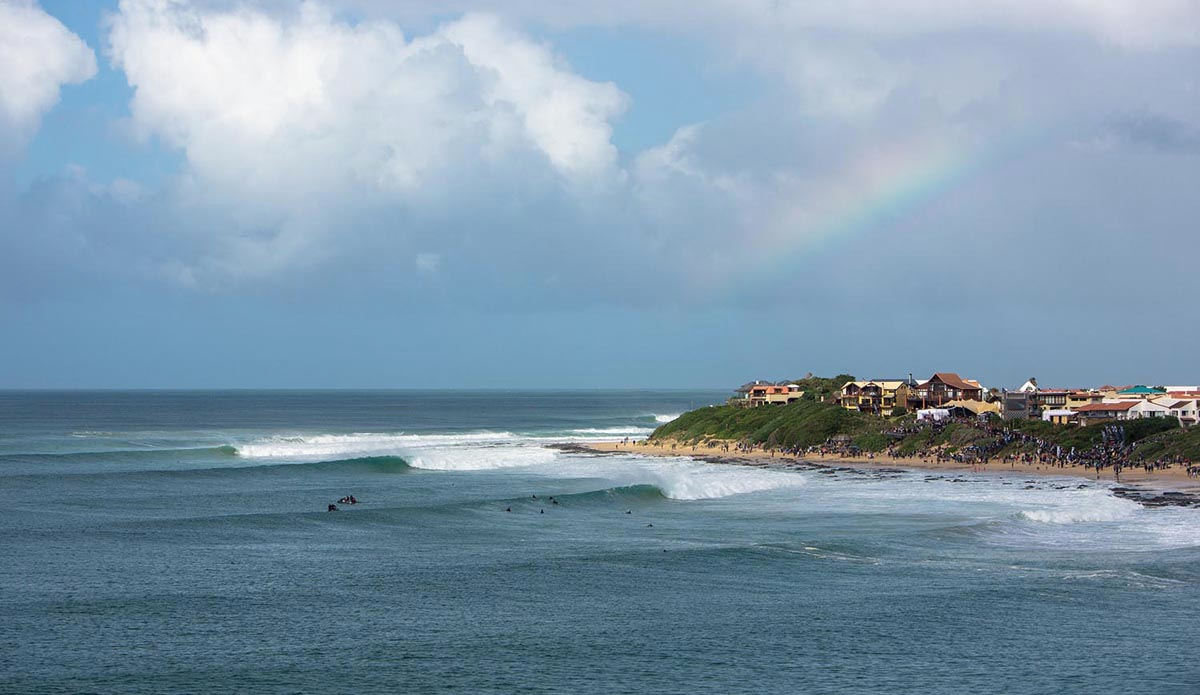
A rarely seen low aerial view of Supers, Jeffrey’s Bay. Six feet, rainbows, and everything in between. Photo: Alan Van Gysen
-
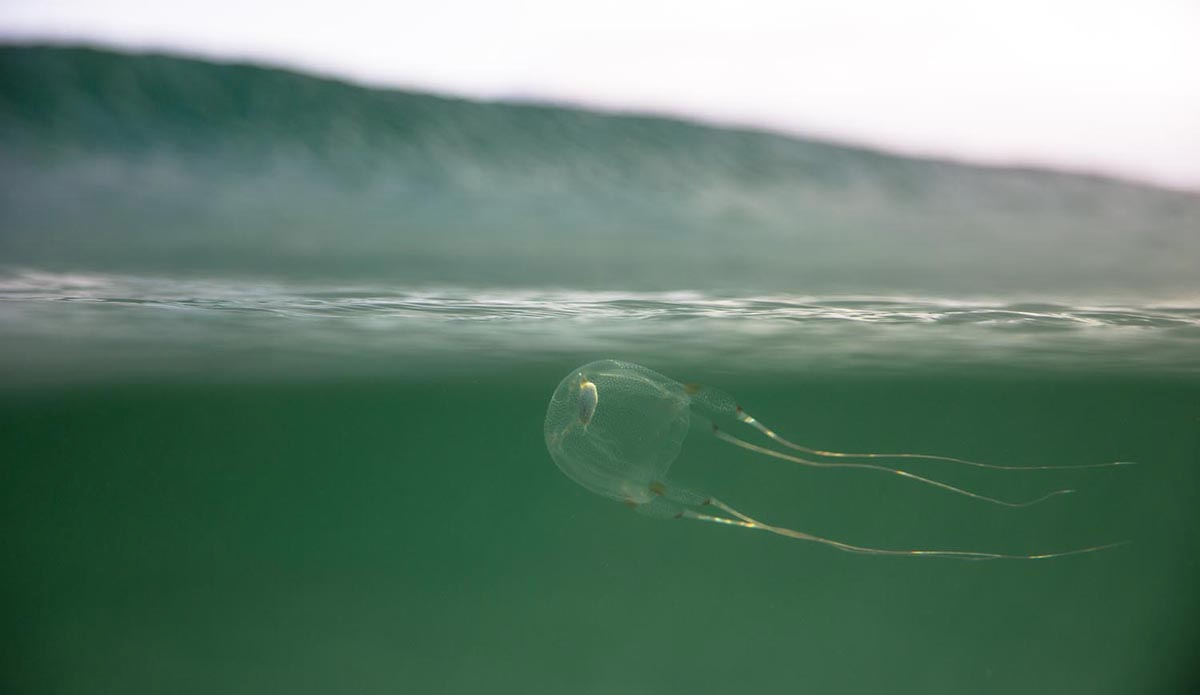
The cold waters of Cape Town are alive with sea creatures of every shape and size. A non-lethal box jellyfish cruising below the lineup in Kommetjie. Photo: Alan Van Gysen
-
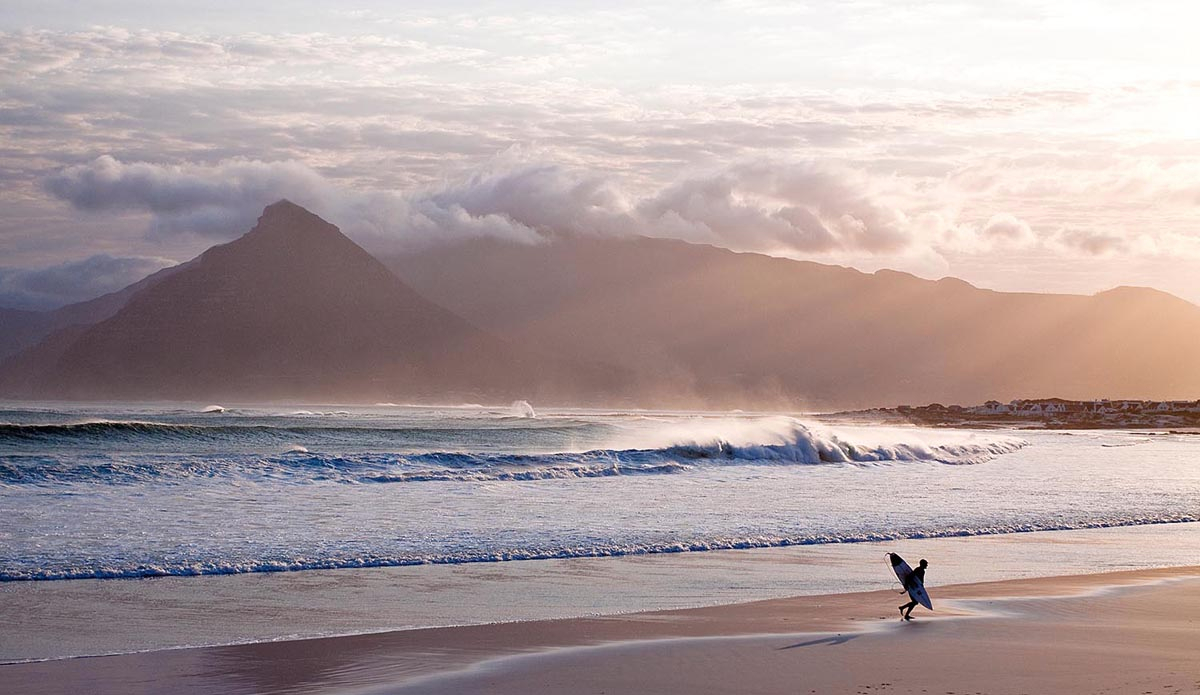
The mountains, clouds, wind. and beaches of Cape Town are rugged and tough. It takes a strong willed surfer to brave the dawnie. Brendon Gibbens exits at sunrise after catching the worm, so to speak. Photo: Alan Van Gysen
-
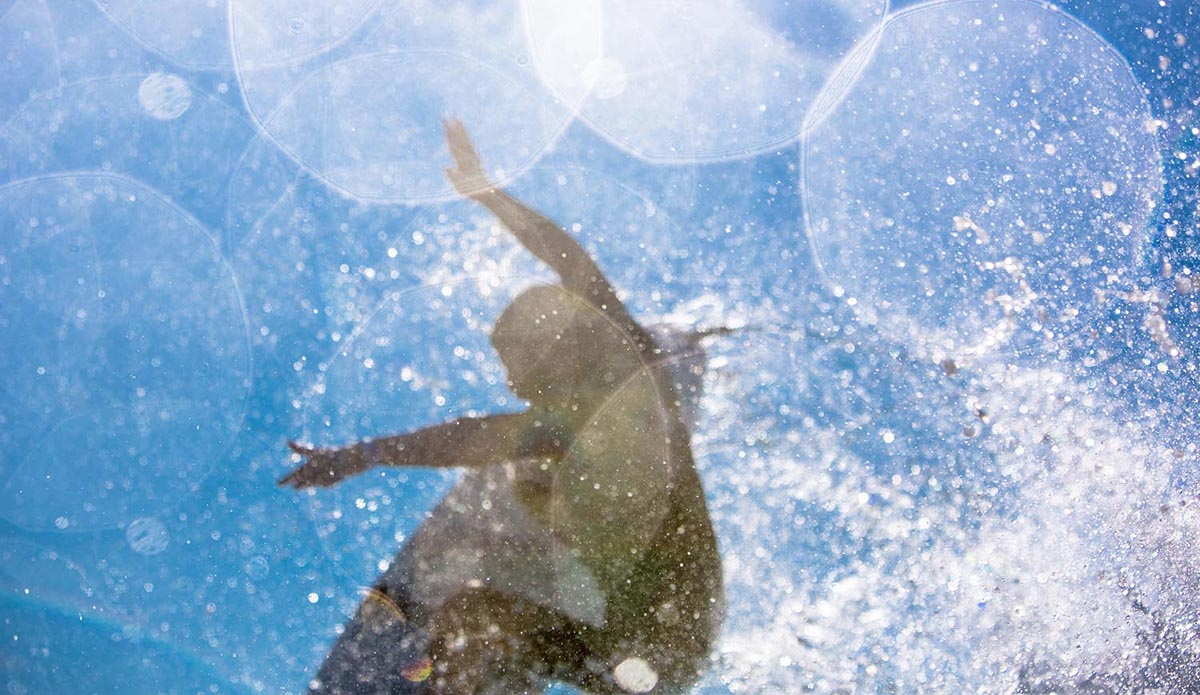
Mr. Price Pro. Photo: Alan Van Gysen
-
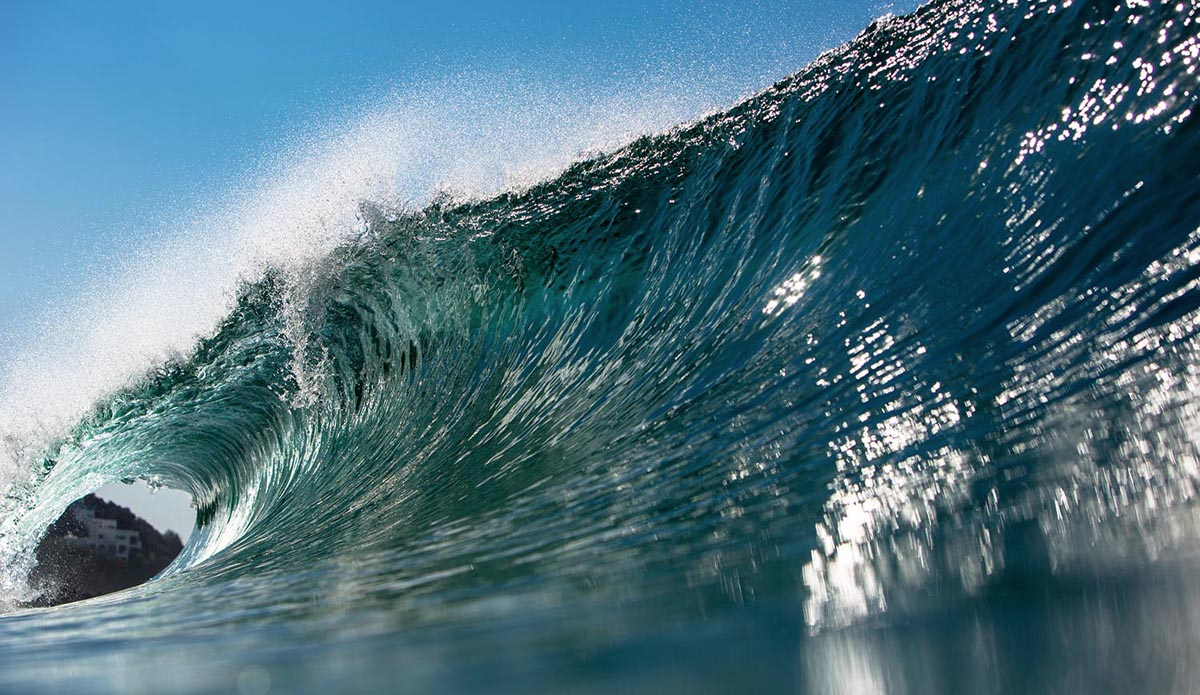
A room with a view. Warm and blue east coast waves. Photo: Alan Van Gysen
-
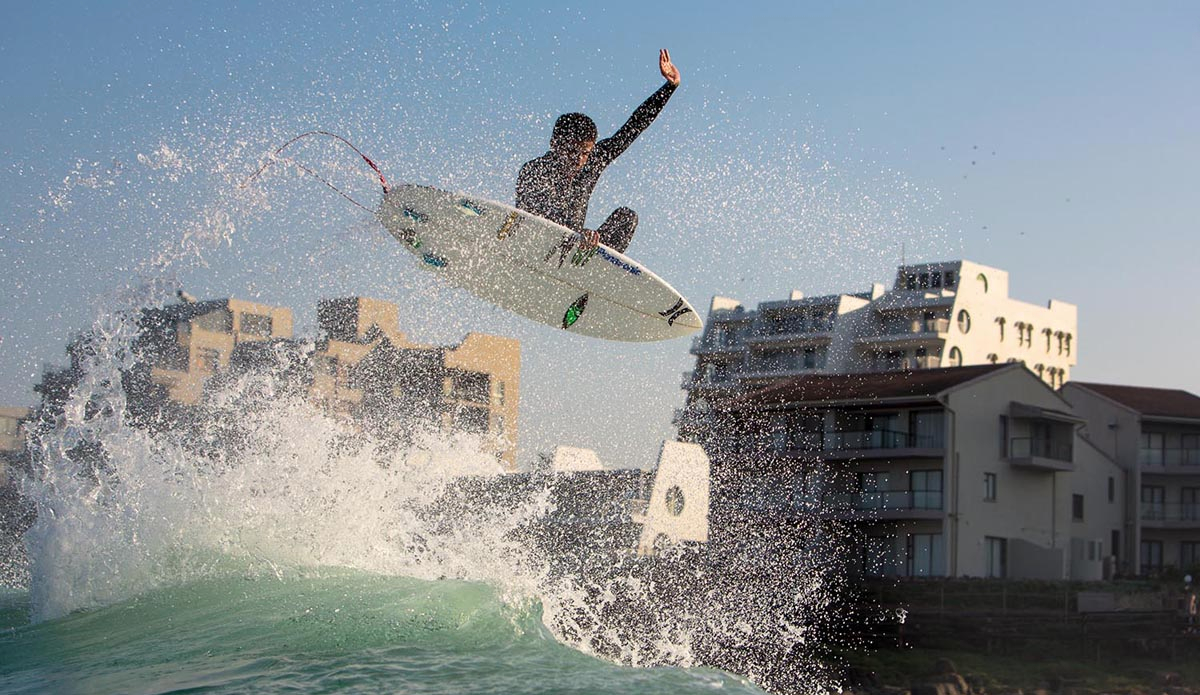
Every year, countless Brazilians travel to Durban, South Africa for the Ballito Pro, usually taking the win or swamping the top spots. Why? The reason is, surfers like Felipe Toledo (pictured here) come for the bowly waves, which are so similar to their breaks at home. It’s warm and the people pack the beaches in support and love of surfing. Photo: Alan Van Gysen
-
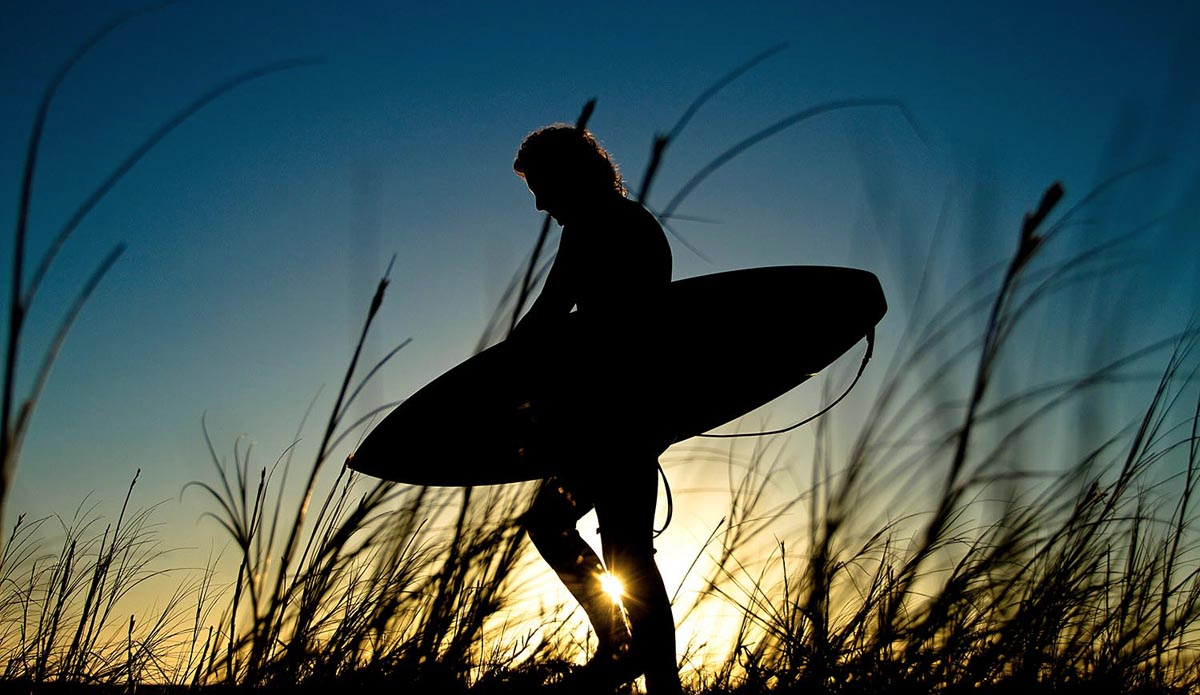
There is beauty in the shadows of life, for behind every shadow is the light, shining, guiding, inspiring, and promising. Cape Town. Photo: Alan Van Gysen
-
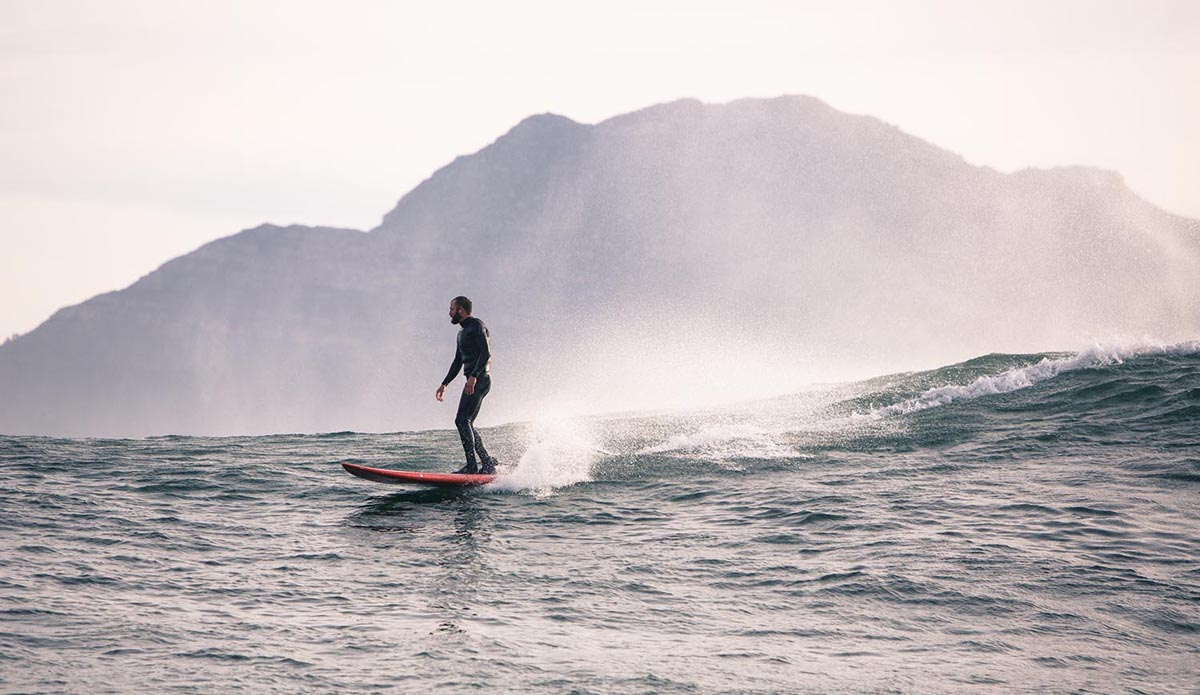
Nothing like kicking out of a beautiful big wave at Sunset. Local surfer Dougal Paterson letting it all sink in. Photo: Alan Van Gysen
-
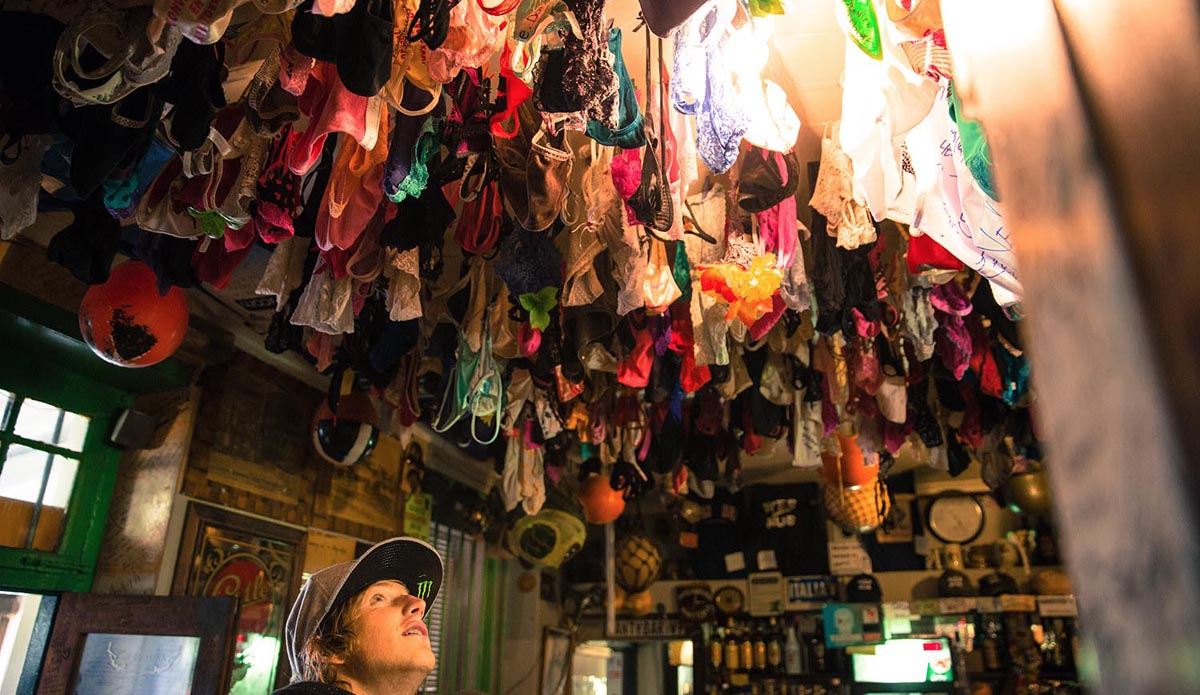
As with any quaint seaside town on any quiet stretch of coast around the world, strange hangouts and bars are often to be found. "The Panty Bar" in Paternoster definitely checks all the boxes. Matt Bromley in awe. Photo: Alan Van Gysen
-
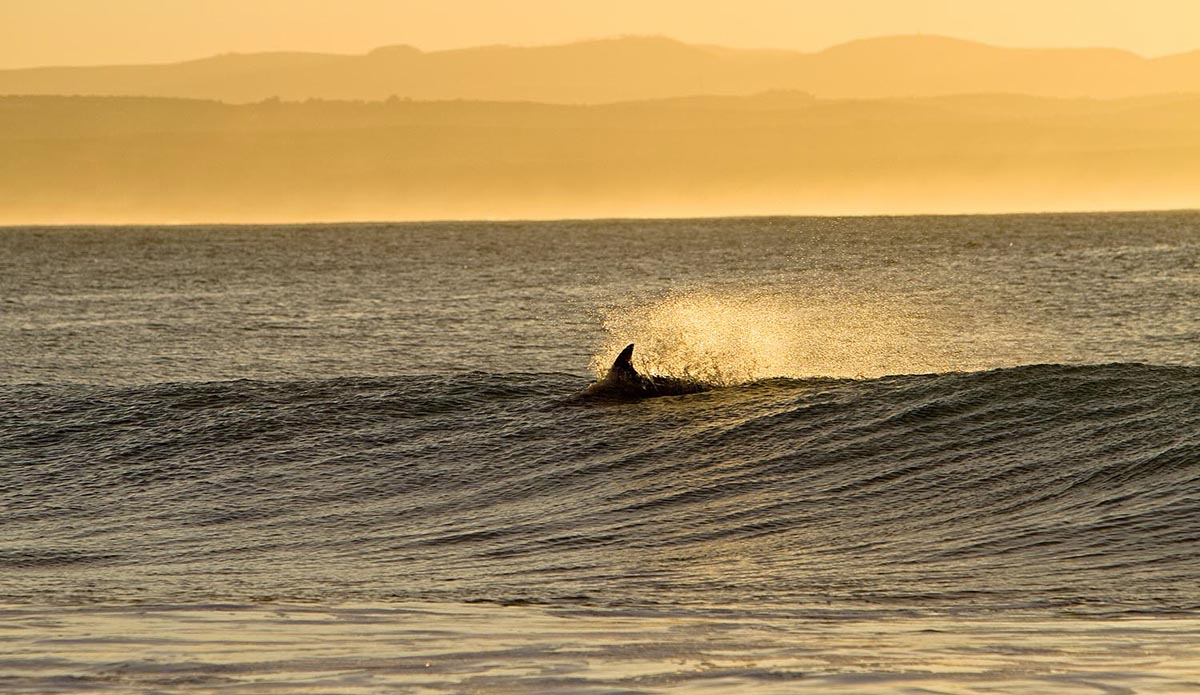
There are many fins to consider in South Africa: sunfish, dolphin, orca, whale, and, of course, the shark. A dolphin breaks the surface at J-Bay’s famous Supertubes right where Fanning had the historically famous encounter. Photo: Alan Van Gysen
-
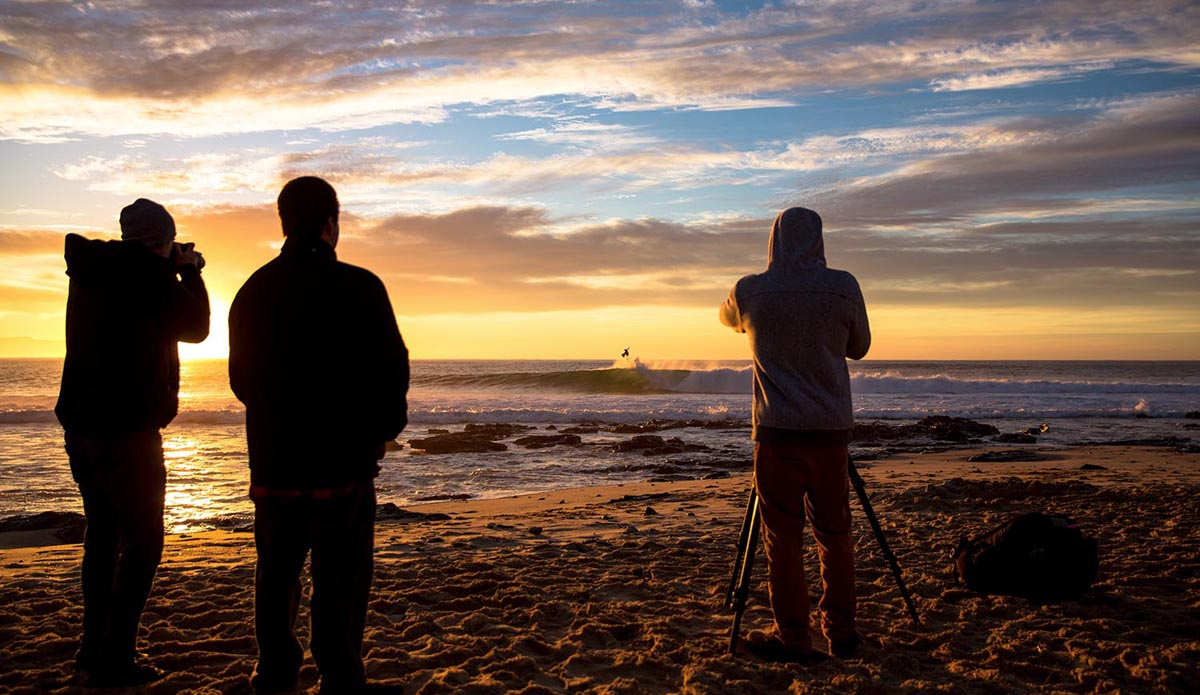
A pulled back view of a day in the office and life of a pro surfer on tour like Kolohe Andino, DJ Strunz, Surfing Magazine photographer, dad Andino, and filmer Noah Alani and the world's eye. Photo: Alan Van Gysen
Surfing and photographing in South Africa really is for the strong of heart. I found that out from my first days as a nipper (competitive junior lifesaver) swimming in the cold, rugged surf in my little speedo. Clinging onto the backline swim-buoy and tears streaming down my already salty eyes, I wanted out. The surf was giant, onshore, and slamming up against the rocks to the right of the bay. Everyone else had rounded the last buoy and was making their way ashore, but I was frozen by fear and calling out to the rubber duck support crew to save me and take me home to my mom and dad. Unknowingly, I had reached one of those critical points in life where something either makes or breaks you—this was one of those moments.
I had never been 100 percent comfortable in the sea since I didn’t grow up at the beach like my fellow surf lifesaving mates. Why would anyone want to leave the comfort and safety of the sand for this? Not me. Not then, at least. Needless to say, it took me some time, both there on that buoy with my feet dangling below the murky surface, and years later for bigger Atlantic surf. But I learned to let go of the fear that gripped me and dove headlong into the rough waves and bodysurfed in, truly understanding and embracing what it means to be a surf-loving person in South Africa.
There will be moments of fear, moments of loneliness, and moments of mental fatigue. But we’re always the richer for it after the fact and once we’ve become a part of it. For myself and many others, it’s the final frontier and where it’s all at. It’s far from the rest of the surfing world, out of the social circus and difficult to read most of the time. But we wouldn’t have it any other way. We’re willing to brave the cold, sharks, and rugged surf like many other harden places around the earth in order to truly feel alive and be a part of this special, miraculous gift we call surfing.
See more of Alan’s photography by following him on Facebook and Instagram.