-
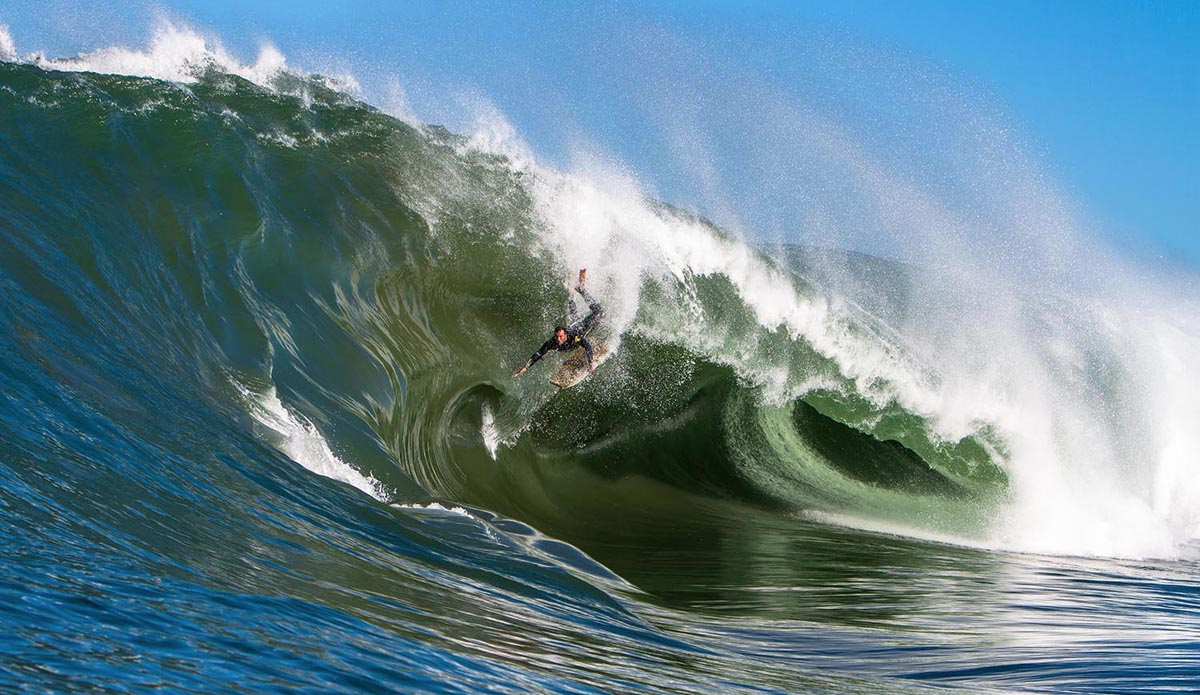
The single most heroic/ridiculous act of surfing I’ve ever witnessed in real life. Far up the barren West Coast at the aptly named Devils Horn, where a tough band of unsponsored Afrikaan bodyboarders charge quietly for no other reason other than the love of it. This is Rupert la Grange. Photo: Alan van Gysen
-
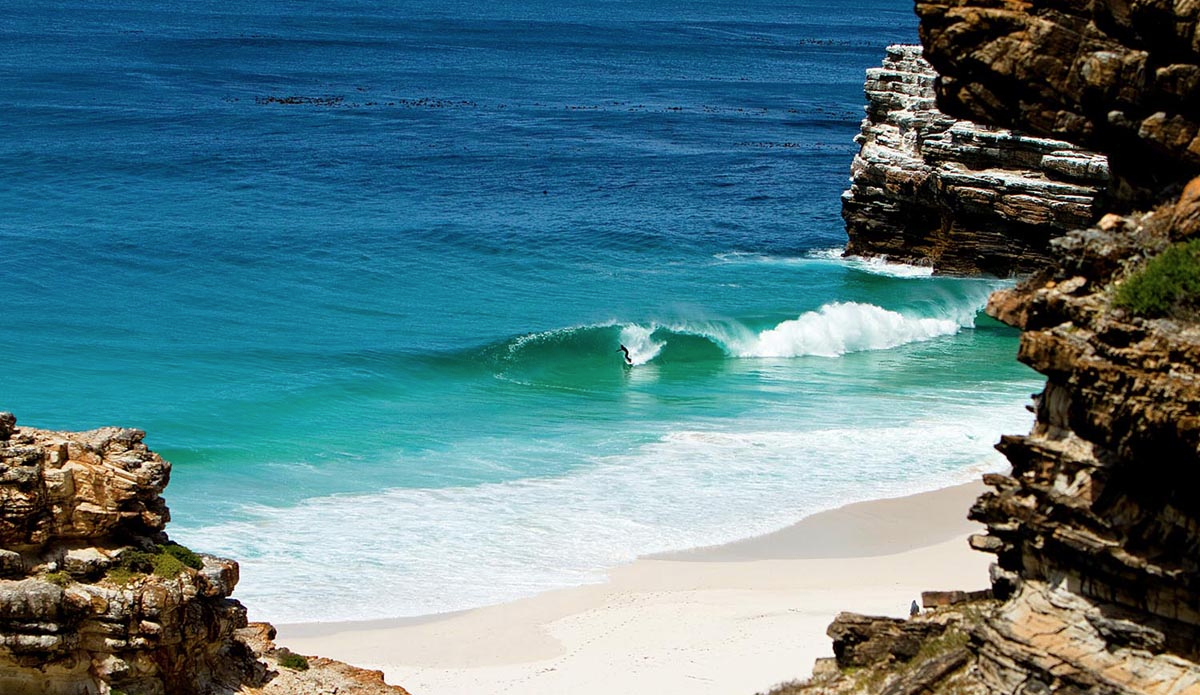
On the most southwestern tip of Africa lies a tiny, secluded beach named after the great explorer Bartholomew Diaz. Battered year-round by unridable monsters, it rarely gets small enough to surf. But when it does…well, it does so beautifully. Photo: Alan van Gysen
-
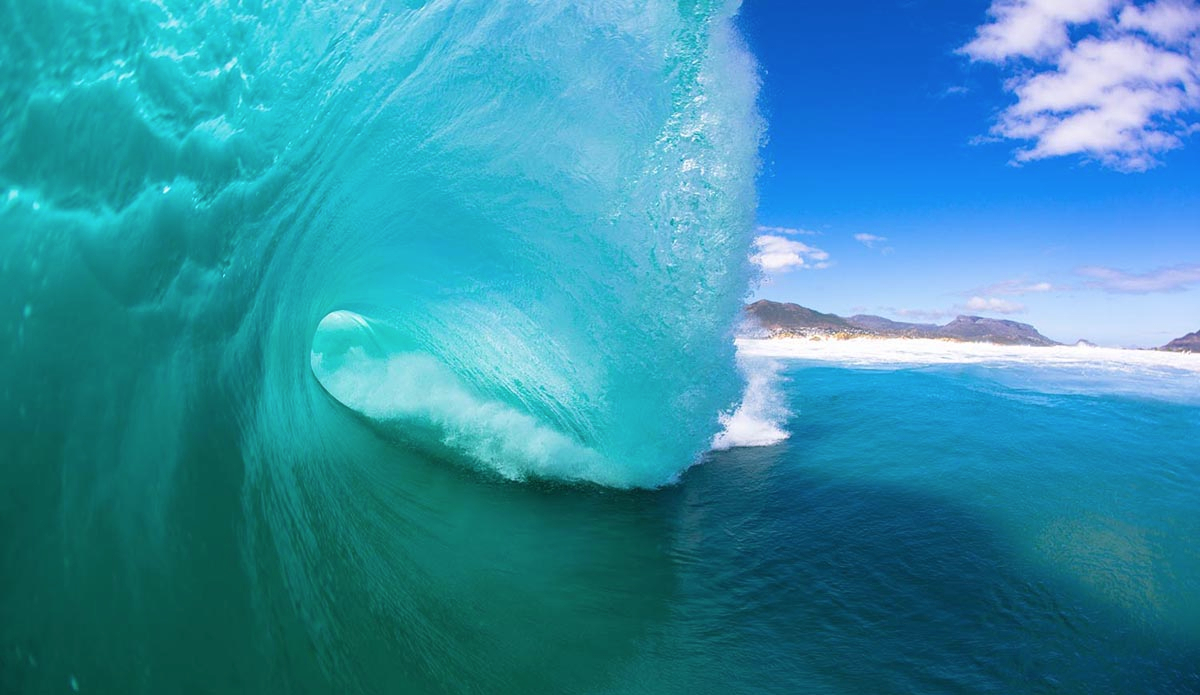
The Puerto Escondido of Cape Town during the cooking summer months. But don’t be fooled by the heat on the beach, as this is when frigid upwelling occurs after strong offshores blow, sending the mercury way down and forcing out the rubber. Photo: Alan van Gysen
-
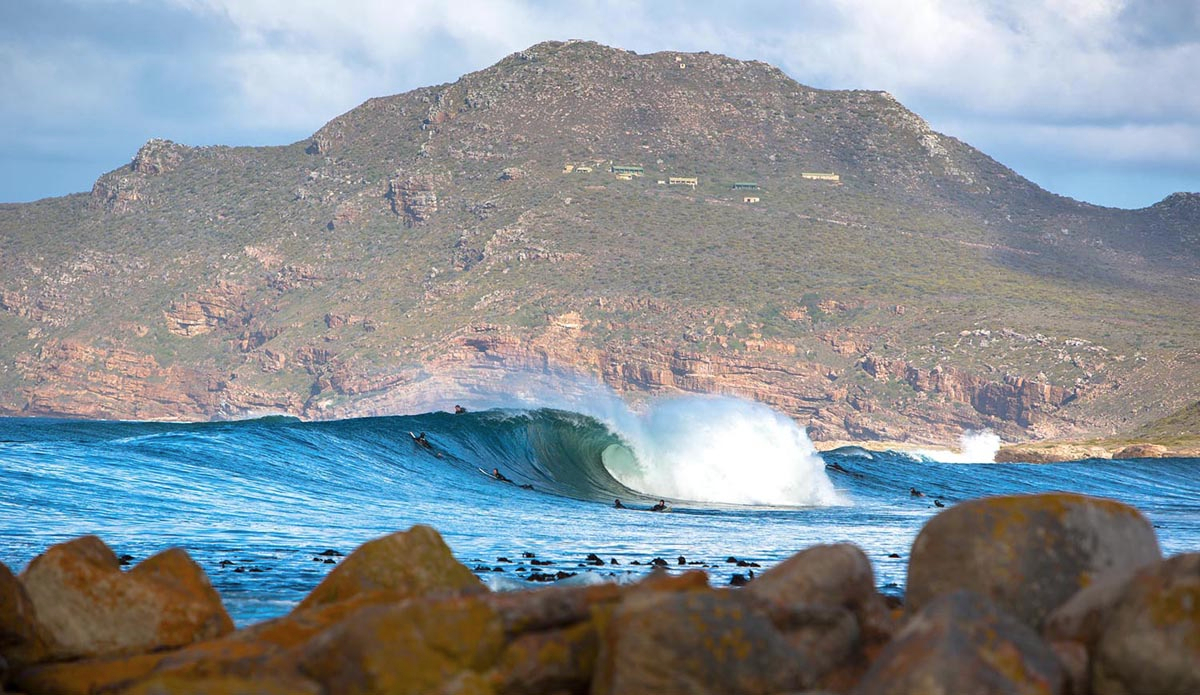
A quiet, not-so-secret corner in Cape Town produces an unexpected bomb during a slow afternoon session. Photo: Alan van Gysen
-
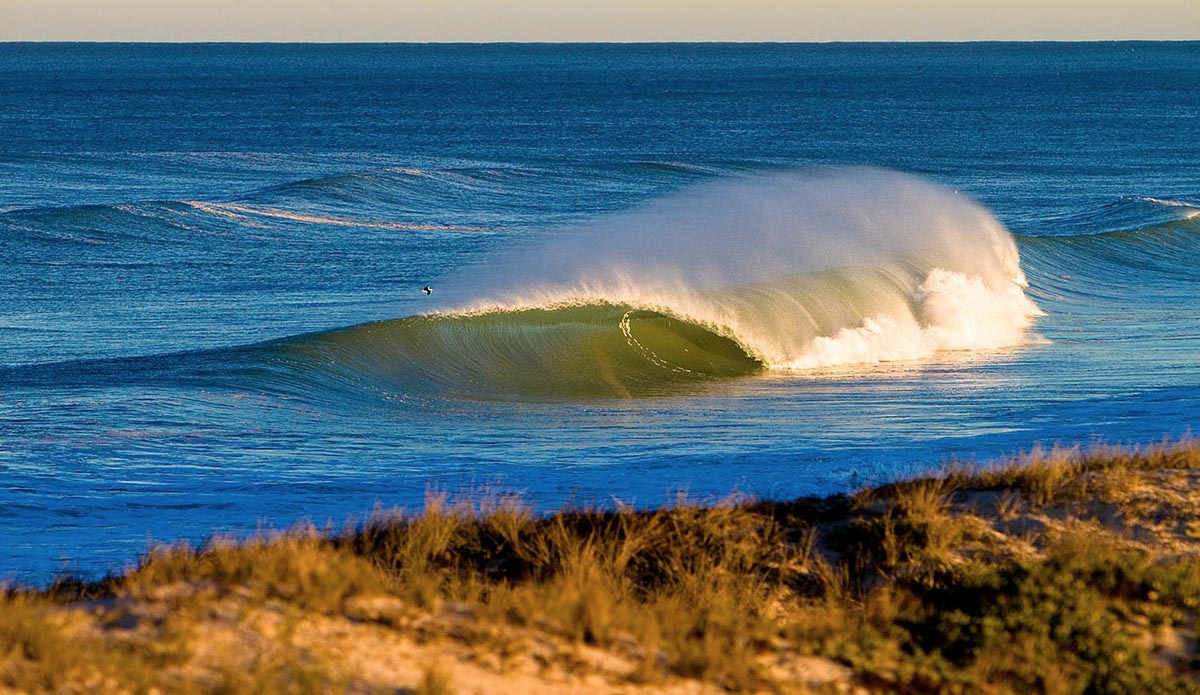
This is light and quality of the West Coast, which is often compared to Australia’s own West Coast. Photo: Alan van Gysen
-
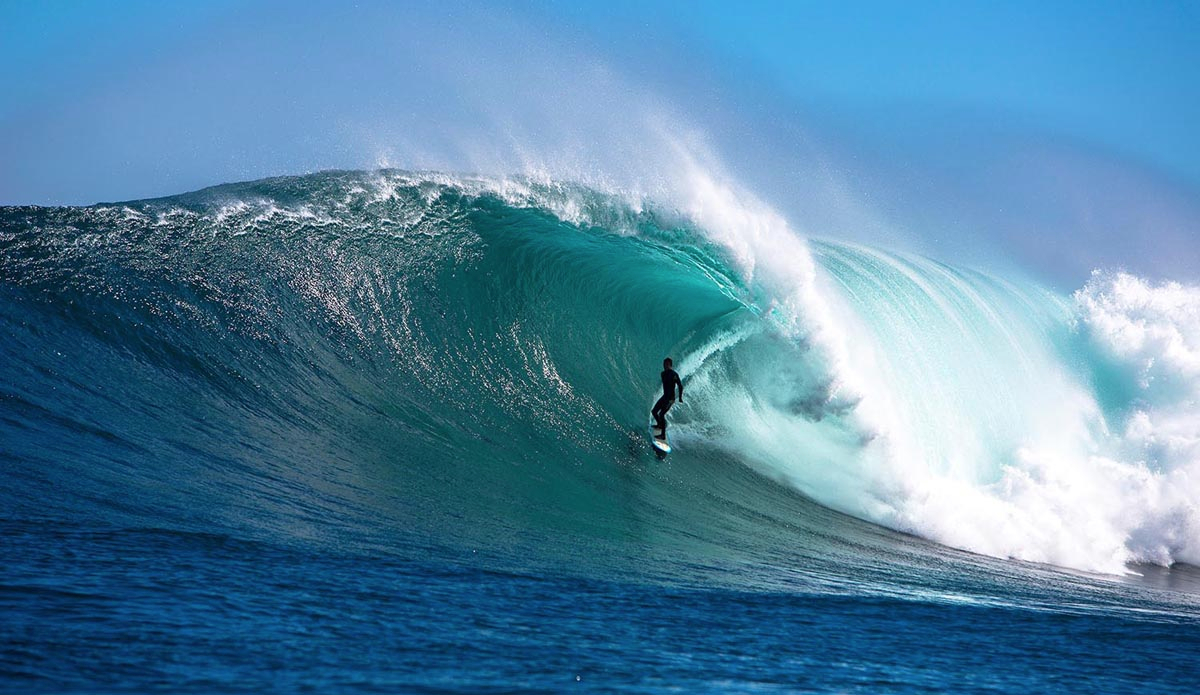
Albee Layer and the line that has made him and other youthful chargers famous at Jaws and other big-wave spots. Dungeons yawns wide while Albee and John John were in town filming for John John’s new film "View from a Blue Moon." Photo: Alan van Gysen
-
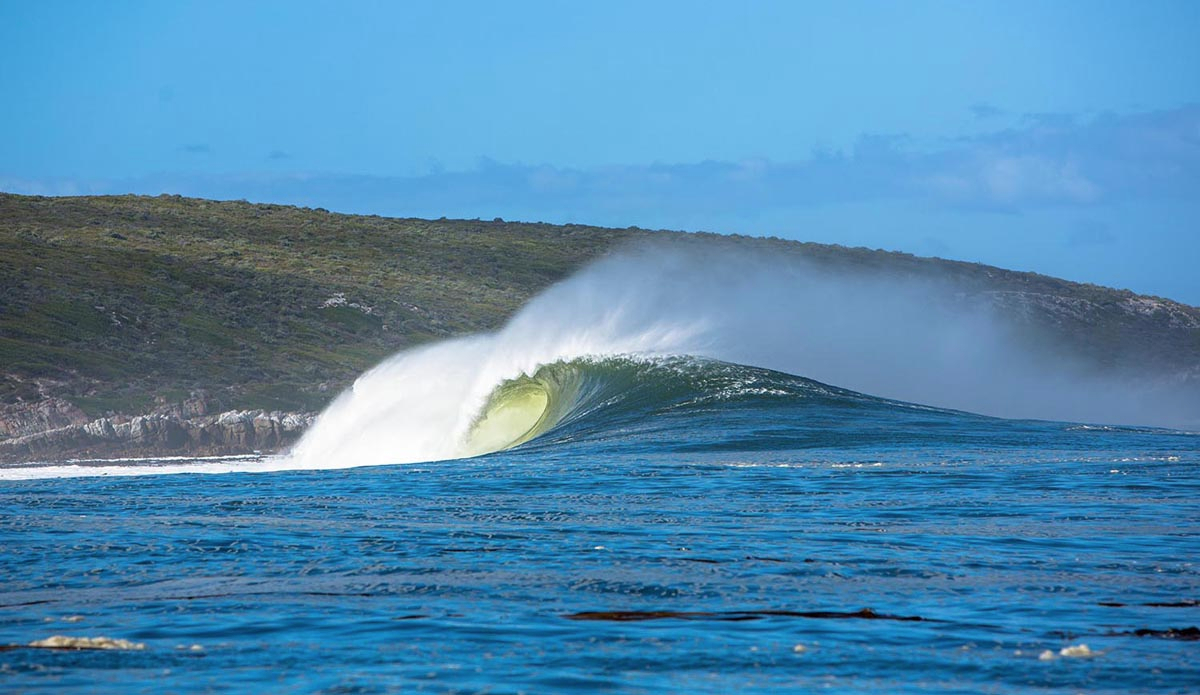
Empty and sharkier than it looks and oh so inviting. Welcome to South Africa. Photo: Alan van Gysen
-
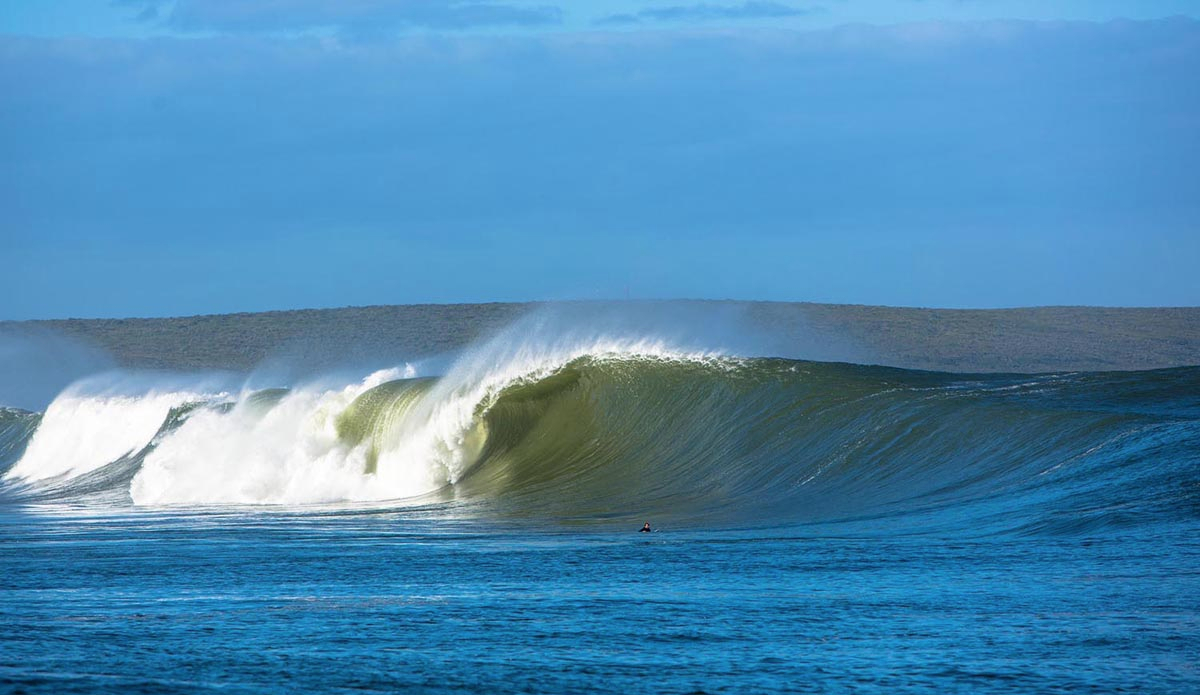
Lonely waves like these await company in South Africa for those brave enough to want it enough. Photo: Alan van Gysen
-
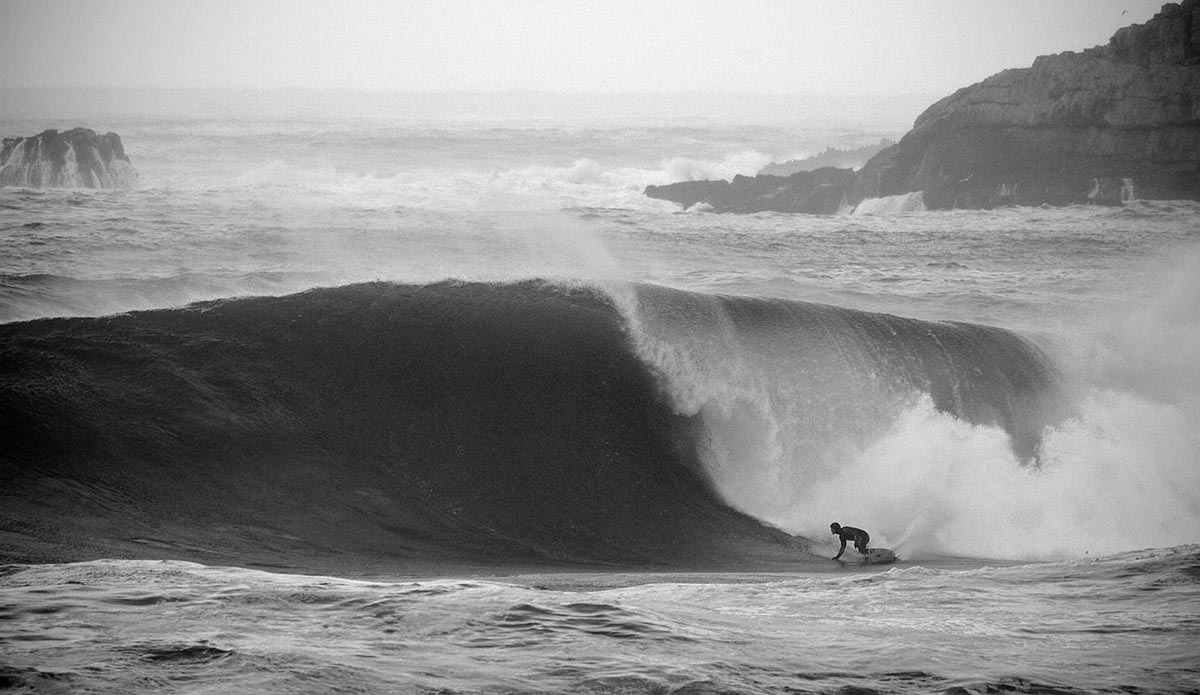
One of many great big-wave spots in South Africa, which awaken during the rainy, winter months between May and September. Bearded viking warrior Josh Redman eases off the bottom for the slab section ahead. Photo: Alan van Gysen
-
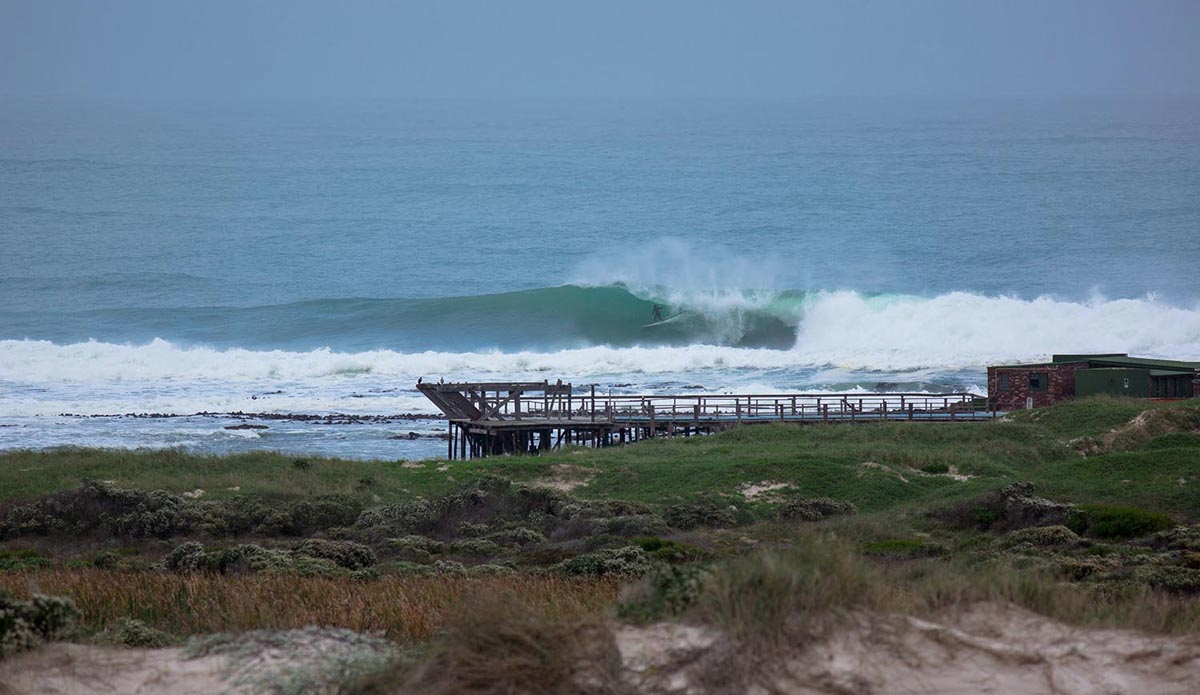
Another prize big-wave spot. The Crayfish Factory and its throaty inside section, as surfed by big-wave world champion Ian Armstrong. Photo: Alan van Gysen
-
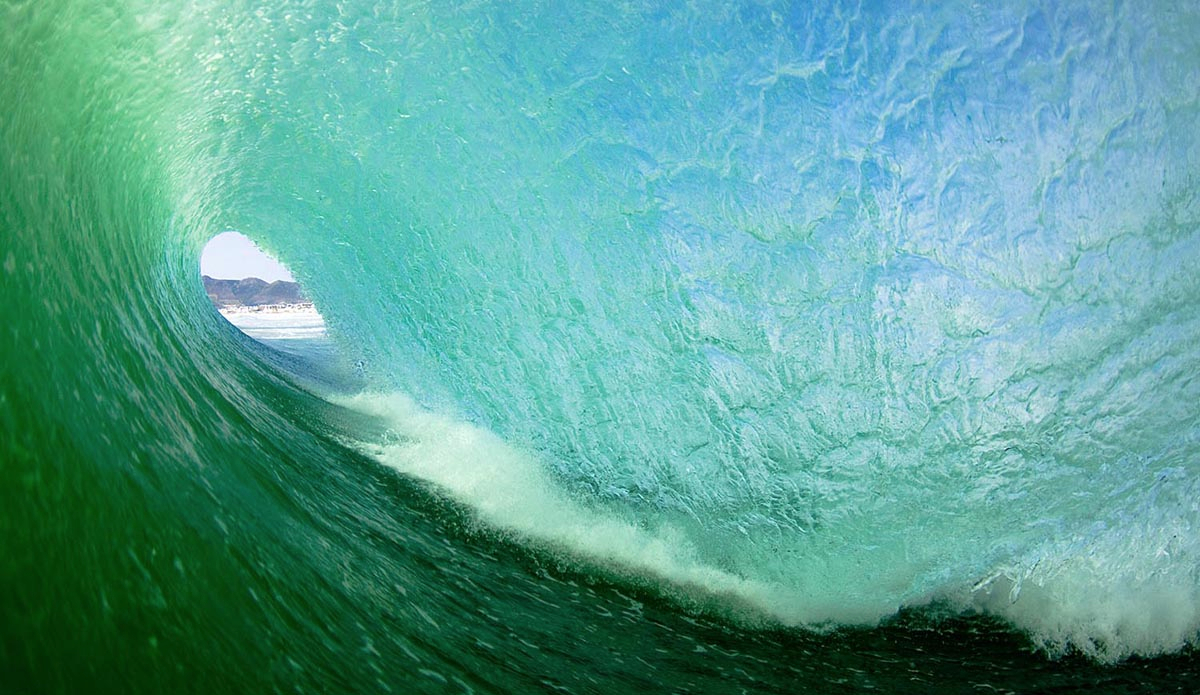
Along with big-wave spots, South African beackbreaks are worth every kilometer traveled. This is where I learned to get barreled and shoot barrels. Photo: Alan van Gysen
-
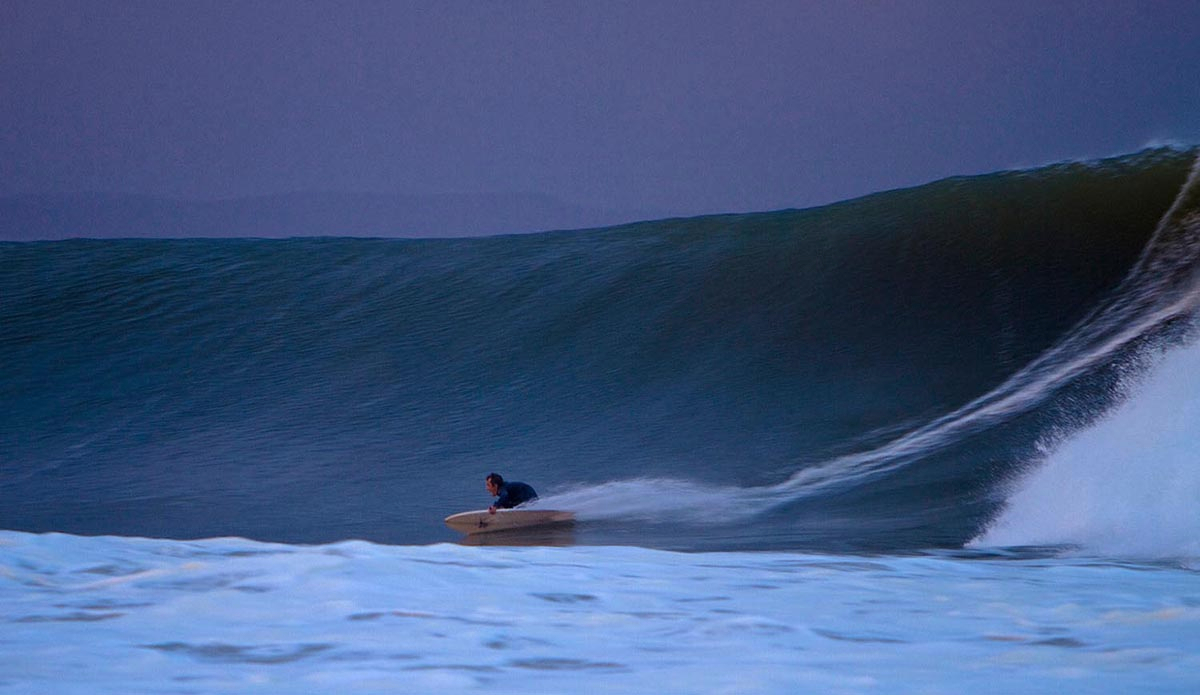
South Africans aren’t the only ones who love the waves here. Many traveling surfers like Derek Hynd have fallen in love and never really left. With waves like Supertubes and the extended hallowed walls of Jeffrey’s Bay, it’s no wonder. Photo: Alan van Gysen
-
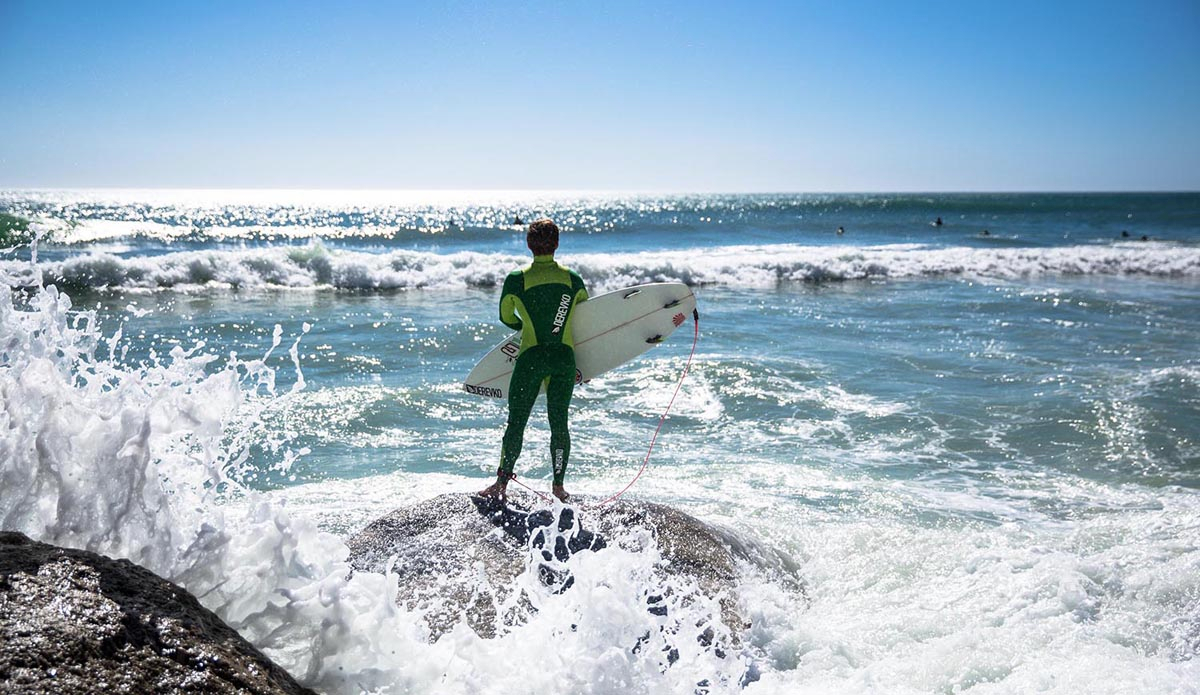
Granite boulders litter the Cape Peninsula and make for some curious setups . It's not quite perfect, but not quite bad either. Photo: Alan van Gysen
-
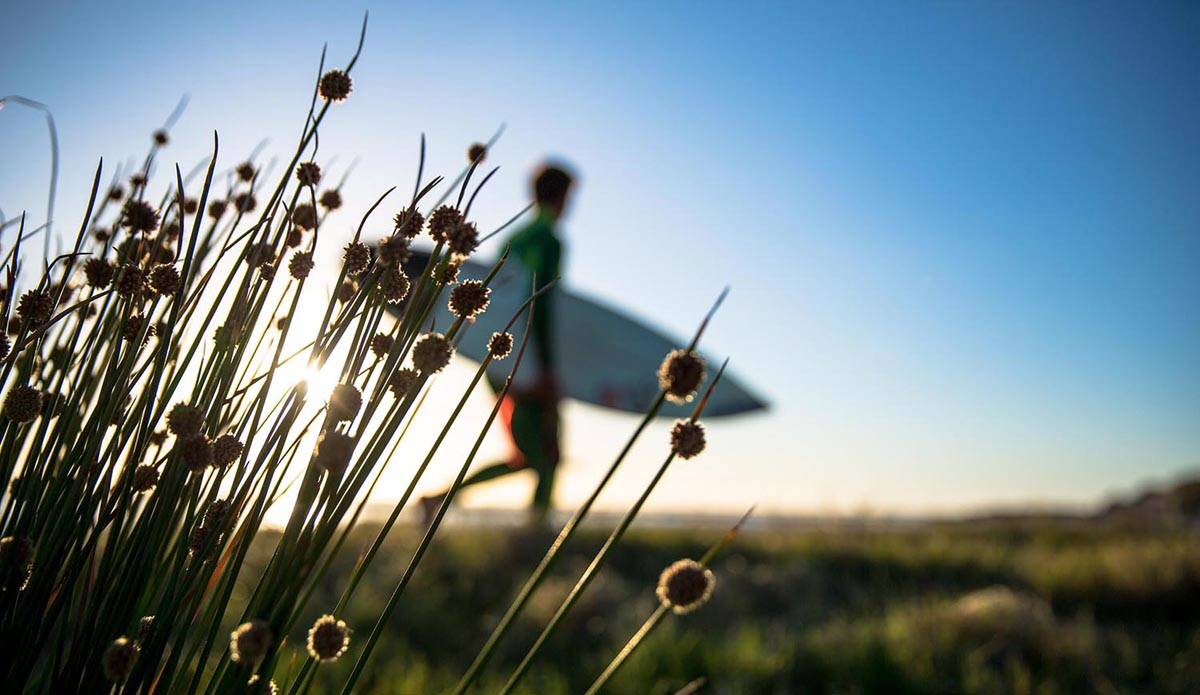
A walk through the South African fields are as rewarding as the surf on the eye and soul. Photo: Alan van Gysen
-
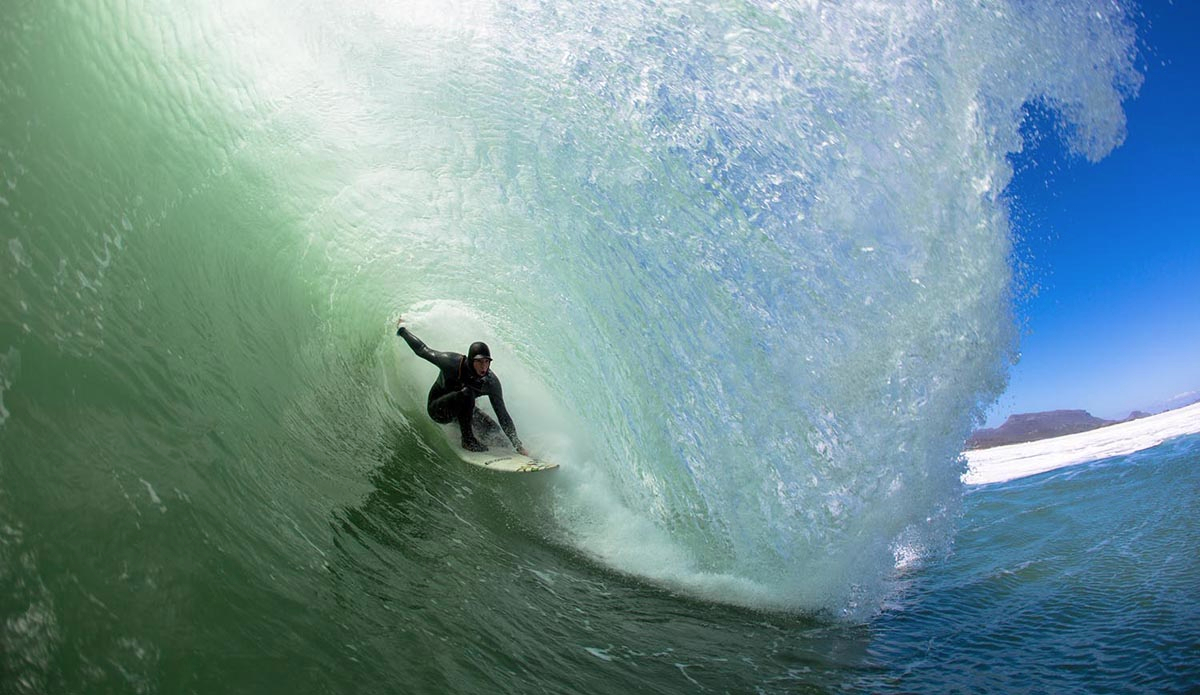
The Puerto Escondido of Cape Town during the cooking summer months. But don’t be fooled by the heat on the beach, as this is when frigid upwelling occurs after strong offshores blow, sending the mercury way down and forcing out the rubber. Photo: Alan van Gysen
-
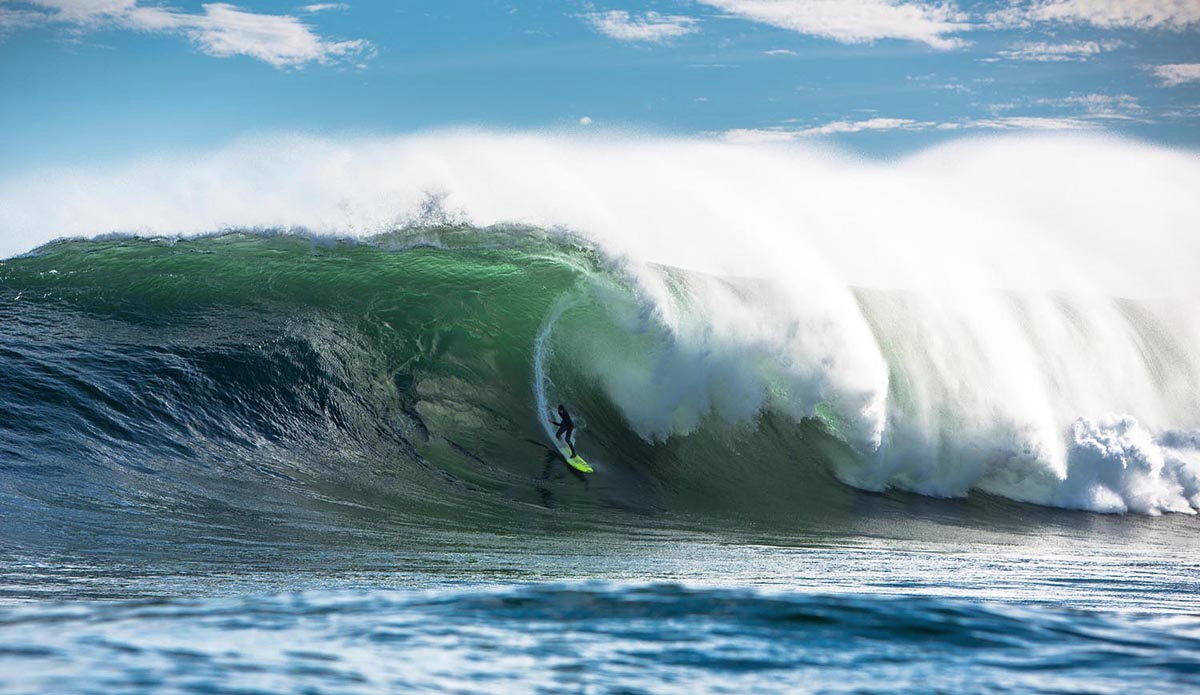
South African and Surfline’s “Wave of the Winter” winner, Matt Bromley, knows how to charge big Pipeline and other waves of consequence thanks to the shifty, rough peaks of Dungeons and other reef breaks around Cape Town. Photo: Alan van Gysen
-
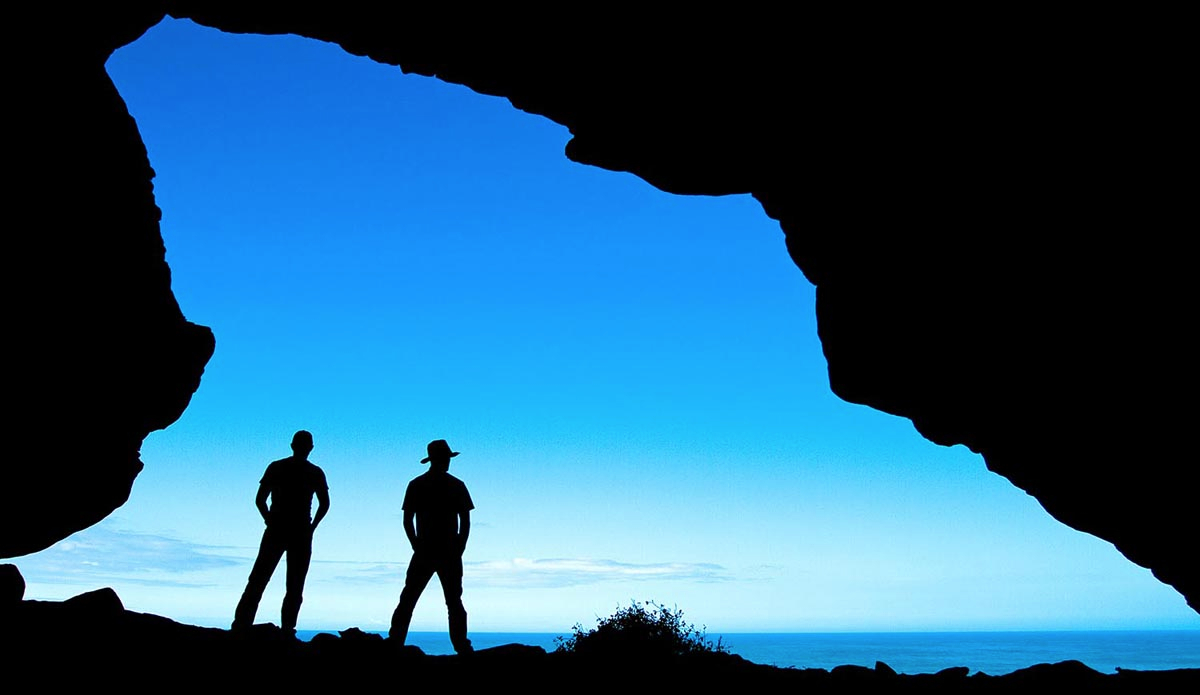
Searching for waves in South Africa is more than half the fun. Hiking up to a historic bushman cave overlooking arguably South Africa’s best left point: Eland's Bay. Photo: Alan van Gysen
-
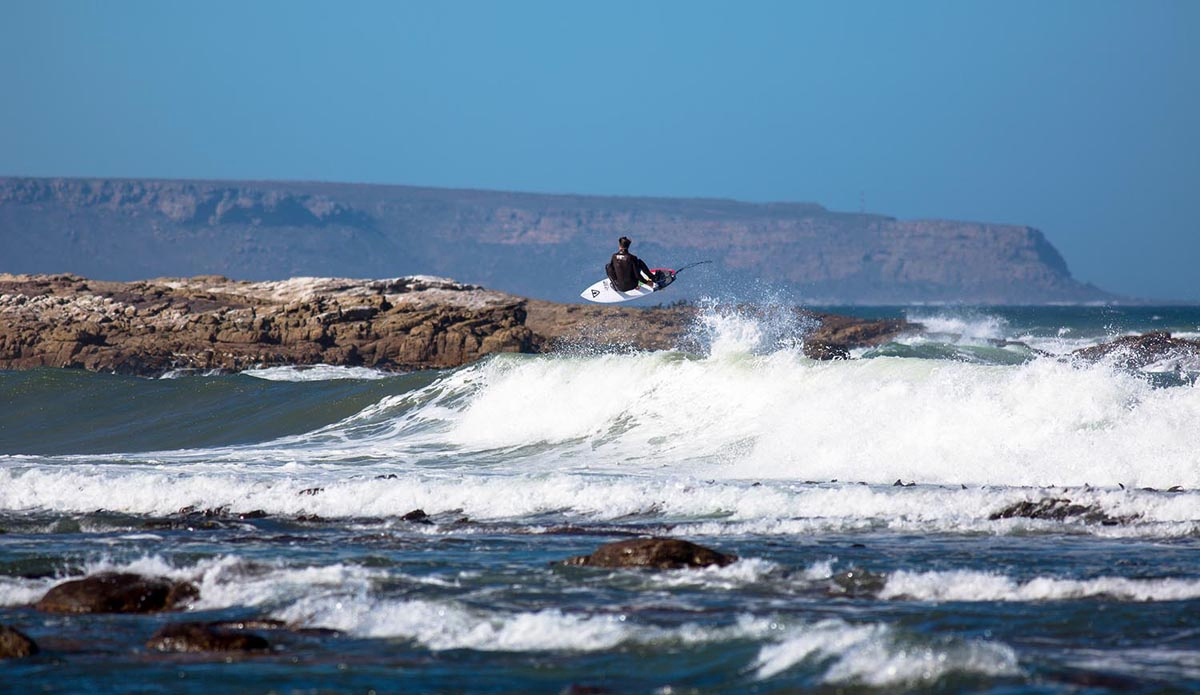
South African ‘Cluster’ star Brendon Gibbens doing what he does best at home between trips. Photo: Alan van Gysen
-
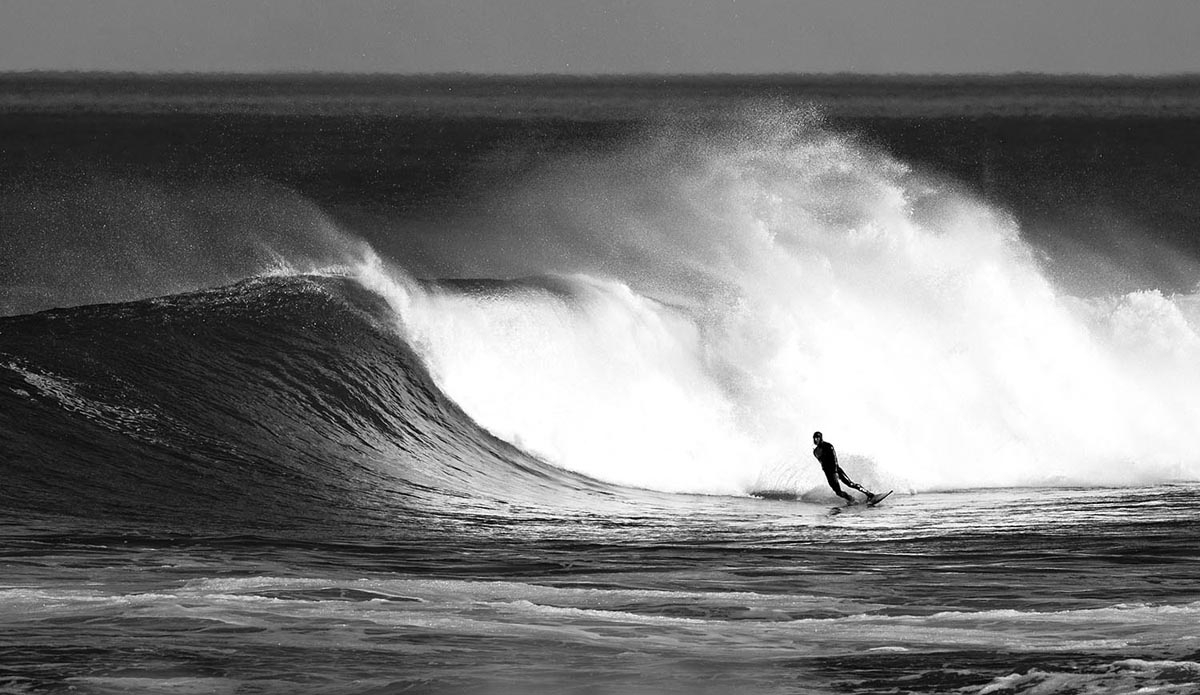
The numerous right points littered along South Africa’s East Coast have produced some of its most stylish and talented surfers, with names like Frankie Oberholzer, who pushed Curren in the early years. This is Andrew "Rooster" Langa. Photo: Alan van Gysen
-
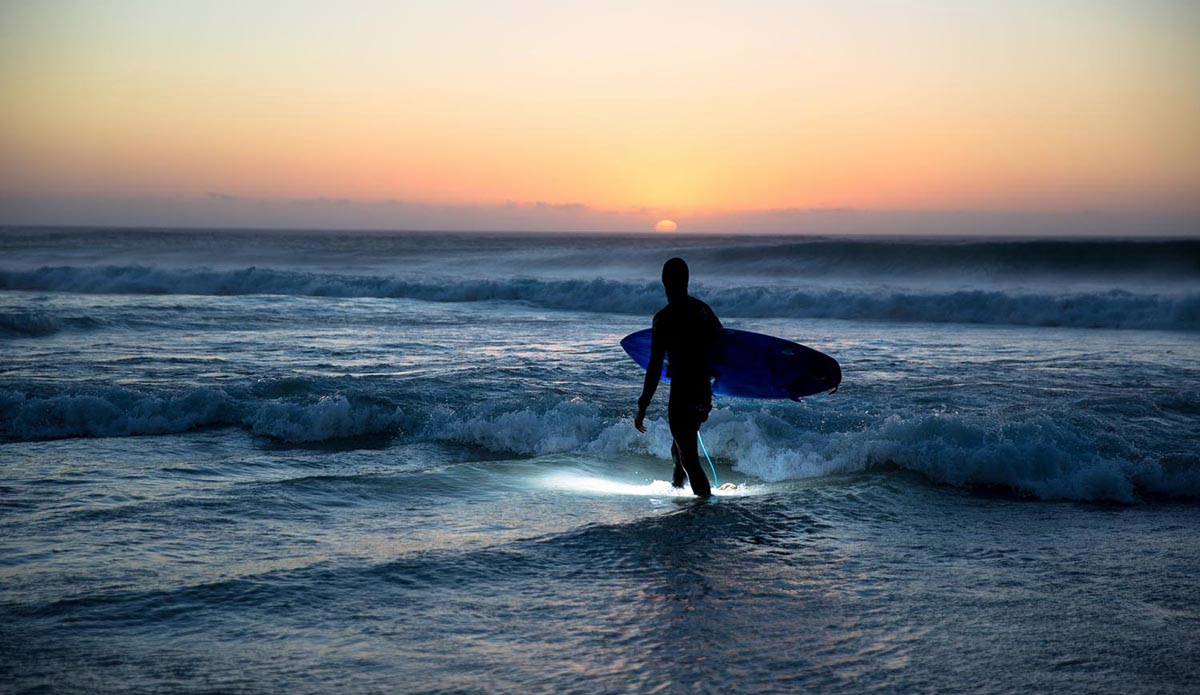
Last light in Cape Town, eerie and rewarding at the same time. Photo: Alan van Gysen
Surfing and photographing in South Africa really is for the strong of heart. I found that out from my first days as a nipper (competitive junior lifesaver) swimming in the cold, rugged surf in my little speedo. Clinging onto the backline swim-buoy and tears streaming down my already salty eyes, I wanted out. The surf was giant, onshore, and slamming up against the rocks to the right of the bay. Everyone else had rounded the last buoy and was making their way ashore, but I was frozen by fear and calling out to the rubber duck support crew to save me and take me home to my mom and dad. Unknowingly, I had reached one of those critical points in life where something either makes or breaks you—this was one of those moments.
I had never been 100 percent comfortable in the sea since I didn’t grow up at the beach like my fellow surf lifesaving mates. Why would anyone want to leave the comfort and safety of the sand for this? Not me. Not then, at least. Needless to say, it took me some time, both there on that buoy with my feet dangling below the murky surface, and years later for bigger Atlantic surf. But I learned to let go of the fear that gripped me and dove headlong into the rough waves and bodysurfed in, truly understanding and embracing what it means to be a surf-loving person in South Africa.
There will be moments of fear, moments of loneliness, and moments of mental fatigue. But we’re always the richer for it after the fact and once we’ve become a part of it. For myself and many others, it’s the final frontier and where it’s all at. It’s far from the rest of the surfing world, out of the social circus and difficult to read most of the time. But we wouldn’t have it any other way. We’re willing to brave the cold, sharks, and rugged surf like many other harden places around the earth in order to truly feel alive and be a part of this special, miraculous gift we call surfing.
See more of Alan’s photography by following him on Facebook and Instagram.