-
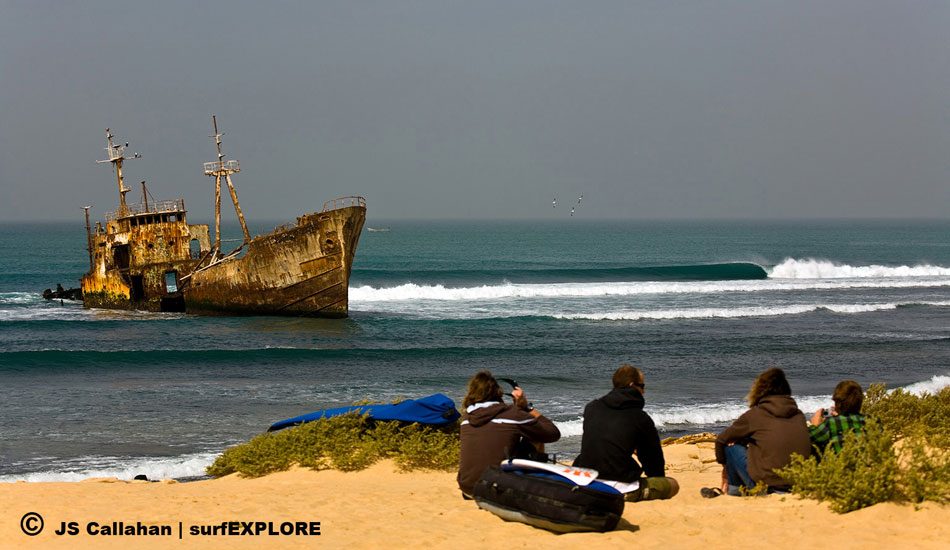
Mauritania. The area around the Nouadhibou Peninsula is known as the shipwreck capital of the world as it is littered with hundreds of rusting wrecks, which were driven ashore as part of insurance scams. This hulk sits in the middle of a great right point. Photo: John Seaton Callahan/surfEXPLORE
-
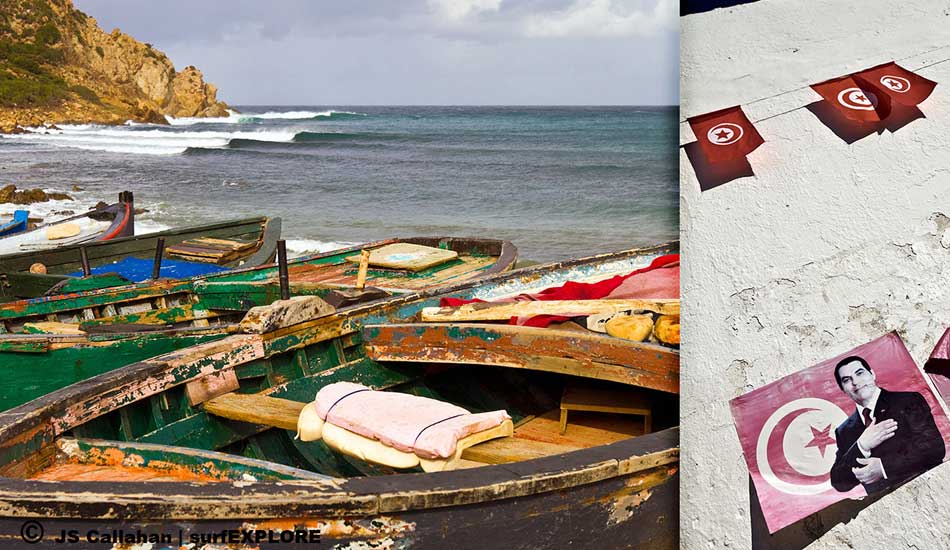
Tunisia. Winter storms in the Mediterranean Sea send swell to the north coast of Tunisia where there are very few surfers. Photo: John Seaton Callahan/surfEXPLORE
-
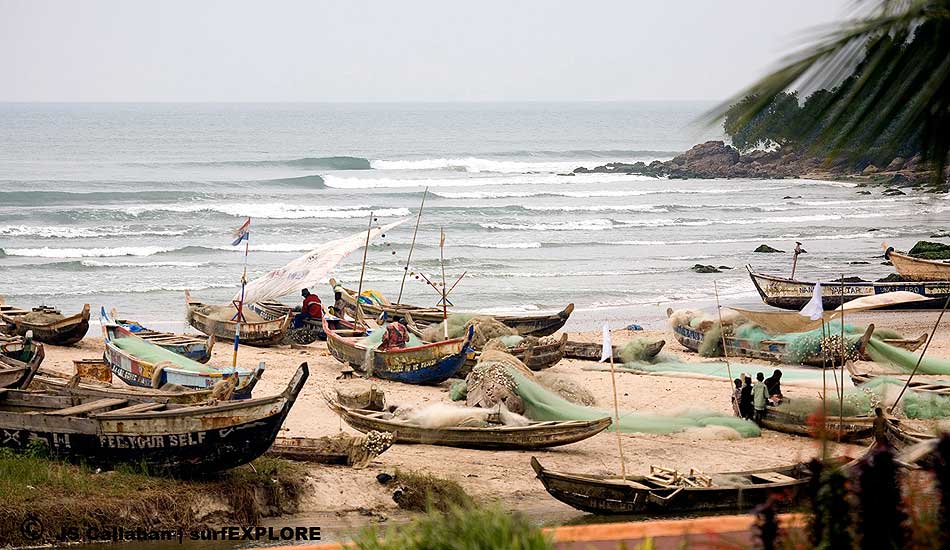
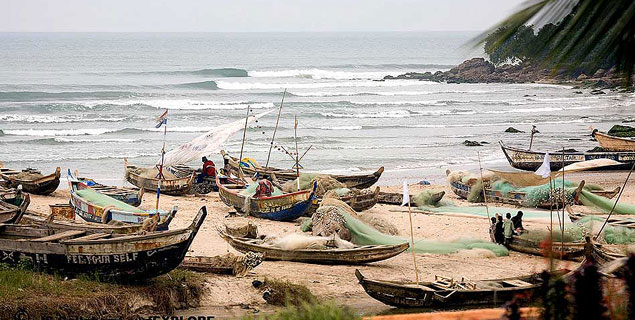
Ghana. The Atlantic-facing coastline of Ghana has a wealth of warm-water point waves with very few local surfers. Rather surprising considering surfers first arrived in Ghana with the original Endless Summer crew in 1963. Photo: John Seaton Callahan/surfEXPLORE
-
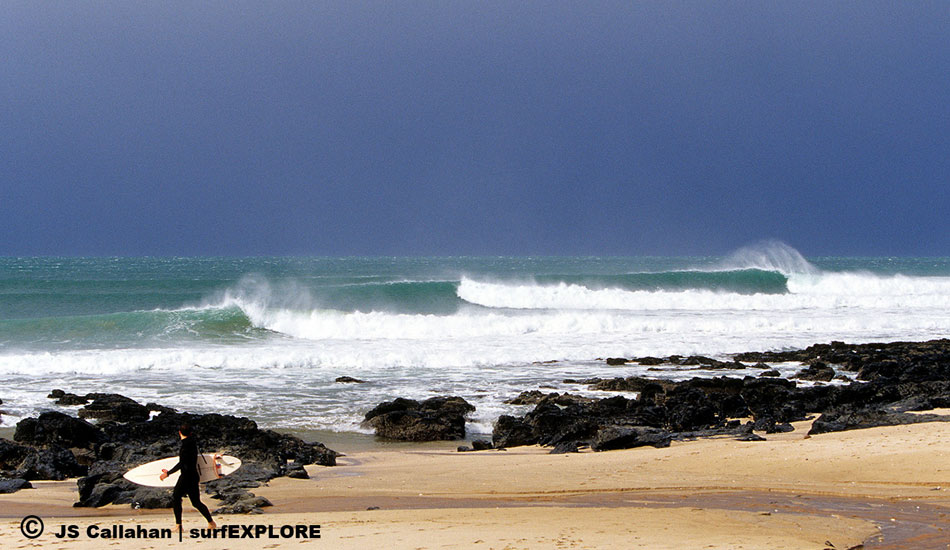
South Africa. An icon of perfection and one of the world's best waves, the right point at Supertubes at Jeffreys Bay, South Africa. Photo: John Seaton Callahan/surfEXPLORE
-
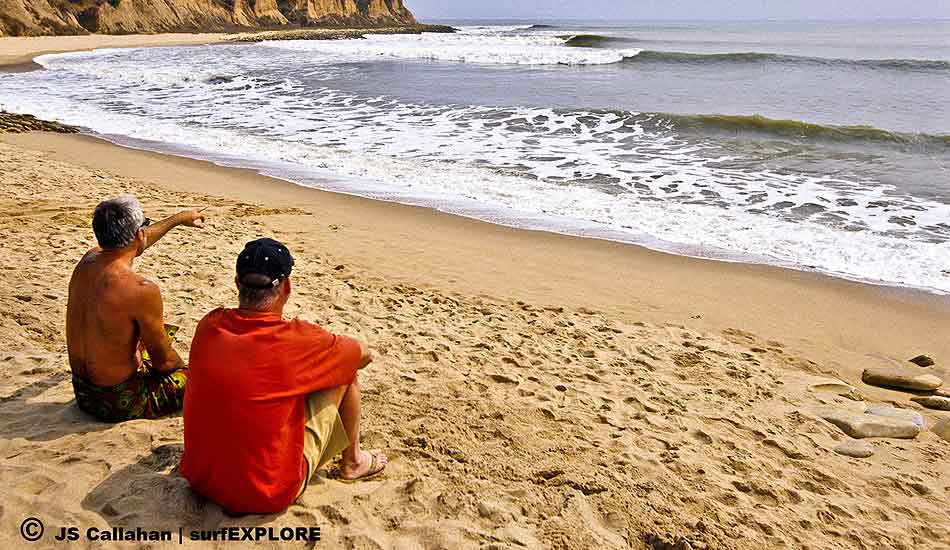
Angola. Fred d'Orey and Randy Rarick check a new lineup in southern Angola, accessed by a long and bumpy dirt track in the middle of nowhere. In recovery from 25 years of civil war, Portuguese-speaking Angola is positioned to become one of the best surfing destinations in Africa. Photo: John Seaton Callahan/surfEXPLORE
-
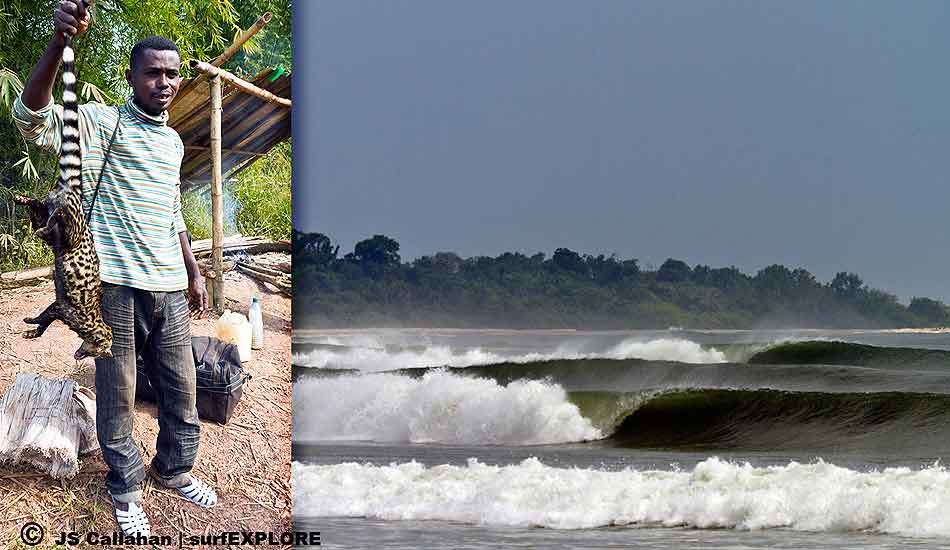
Gabon. Bushmeat hunter with a freshly killed palm civet and the long and hollow lefts at Mayumba, in the far south near the border with Congo Brazzaville. Bushmeat is very popular among rural Africans, with common animals like palm civets and monkeys always on the menu. Photo: John Seaton Callahan/surfEXPLORE
-
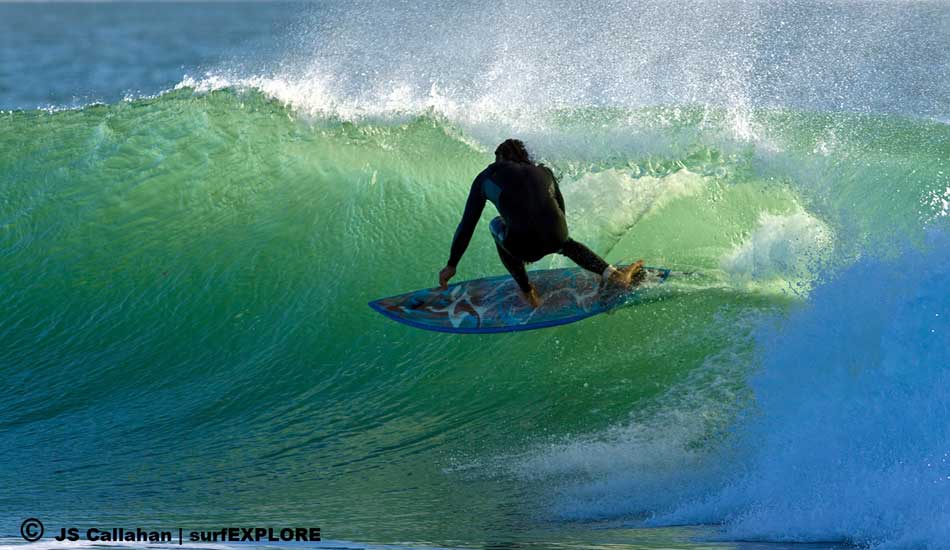
Western Sahara. Emiliano Cataldi races down the line at a sand-bottom point on the Dakhla Peninsula. Surfing is prohibited at this wave as it is in front of a small Moroccan Navy base so access is by rat-like cunning and creative duplicity only. Photo: John Seaton Callahan/surfEXPLORE
-
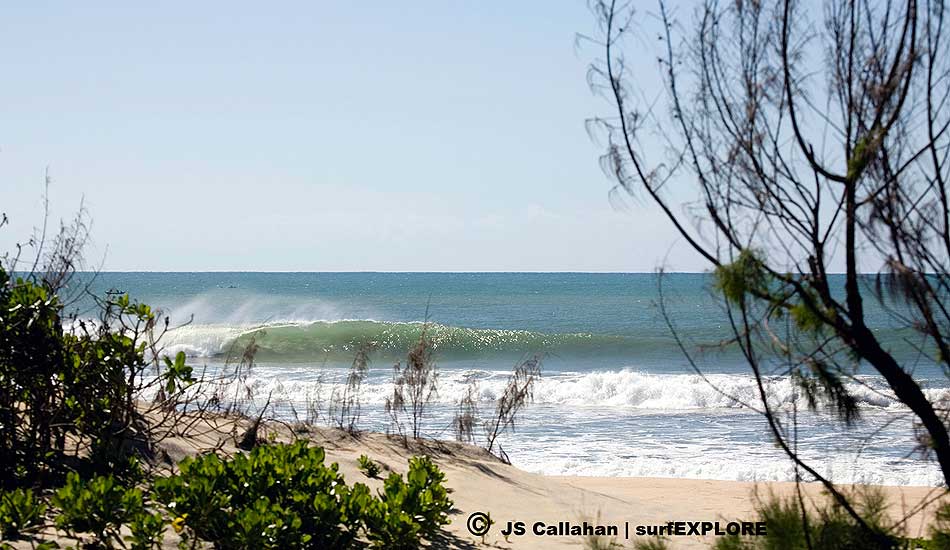
Madagascar. Beach break with an offshore wind on the east coast of Madagascar. This island country in the Indian Ocean is as big as the state of California and has barely been explored for surf. Photo: John Seaton Callahan/surfEXPLORE
-
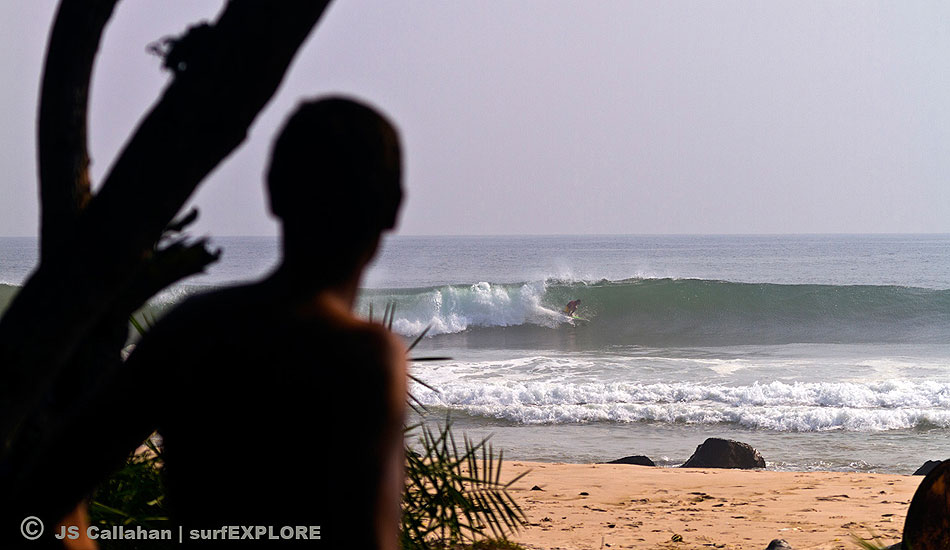
Gabon. Erwan Simon pulling in on another empty left at the point at Mayumba with Sam Bleakley considering another go out. It's looking pretty good and Erwan is the only guy out. Photo: John Seaton Callahan/surfEXPLORE
-
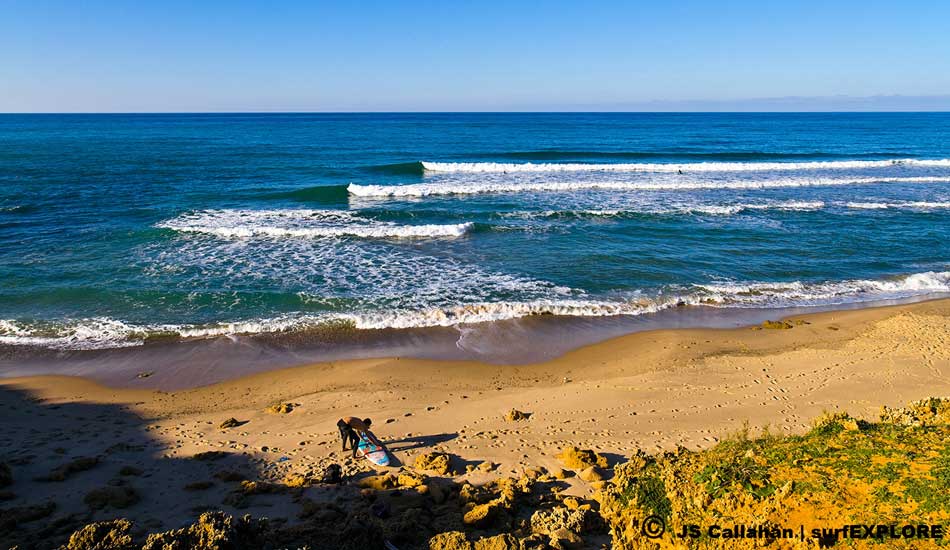
Tunisia. Sam Bleakley gets ready for a winter session in the Mediterranean–the same wine-dark sea Odysseus traversed centuries ago on his return from the Trojan War as the the hero of Homer's epic poem, The Odyssey. Photo: John Seaton Callahan/surfEXPLORE
-
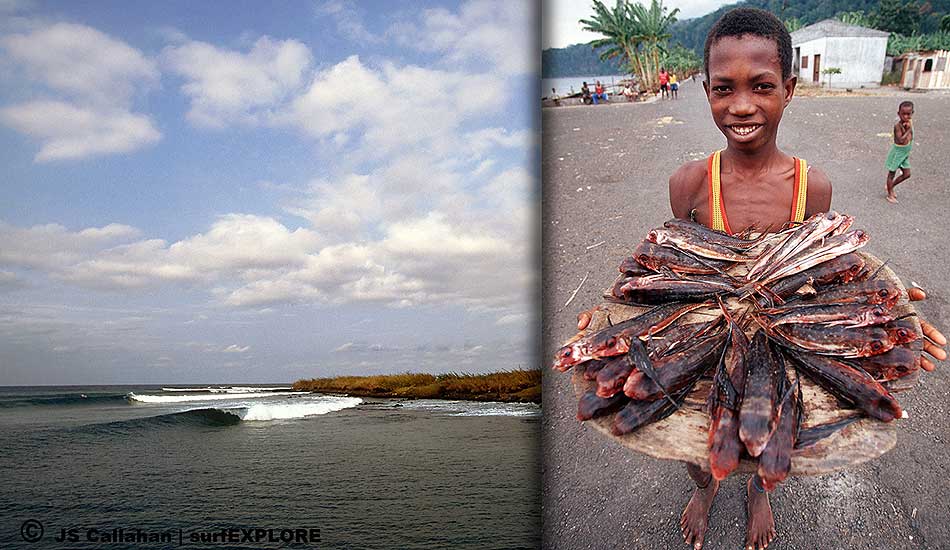
Sao Tome. If you want to surf this long right point on the main island of Sao Tome, it's near the Voice of America transmission station, which broadcasts a signal strong enough to be picked up from Cairo to Cape Town. Just be sure you aren't in the water when the power is turned on. Photo: John Seaton Callahan/surfEXPLORE
-
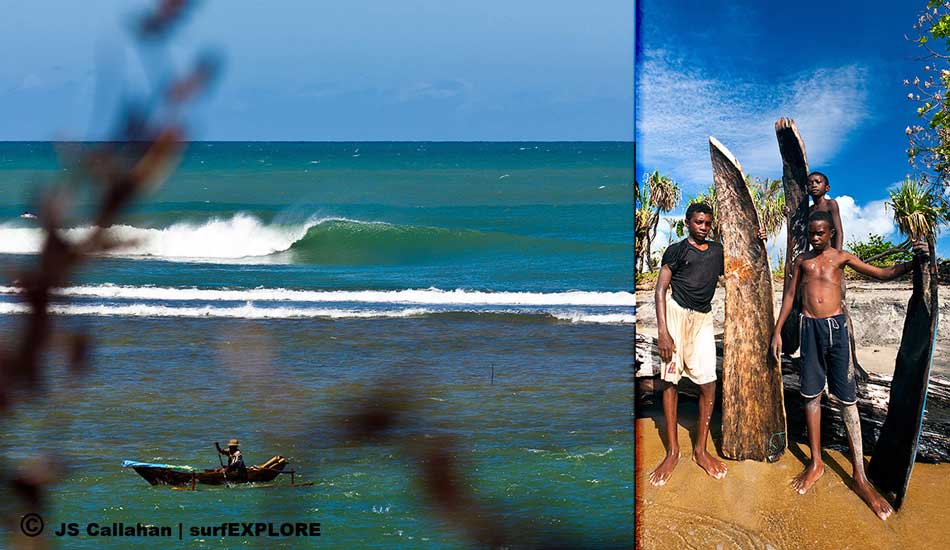
Madagascar. Empty left reef on the east coast of Madagascar and local surfers with their boards made from pieces of wood from old fishing canoes. Photo: John Seaton Callahan/surfEXPLORE
-
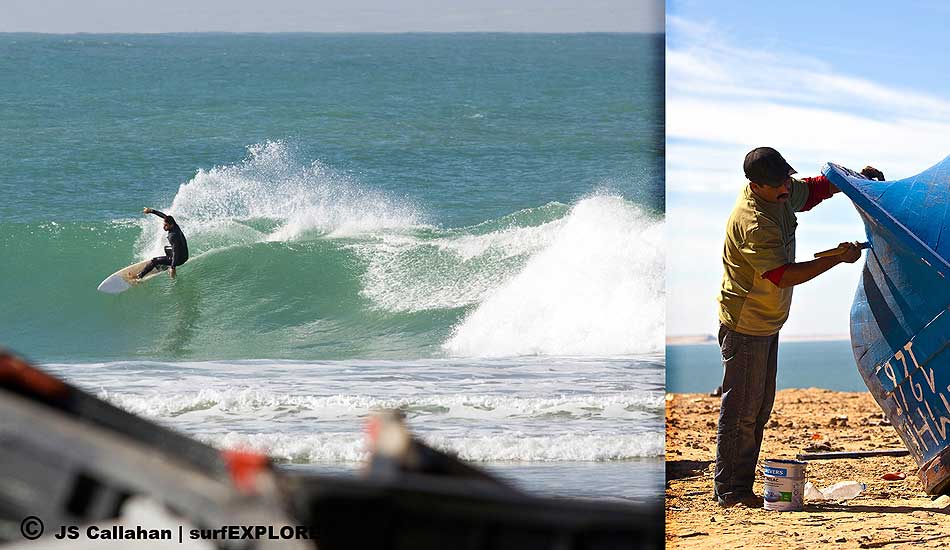
Western Sahara. Long right points meet the sands of the Sahara Desert in this North Atlantic surf paradise as a fishermen paints his boat in preparation for octopus fishing season. Photo: John Seaton Callahan/surfEXPLORE
-
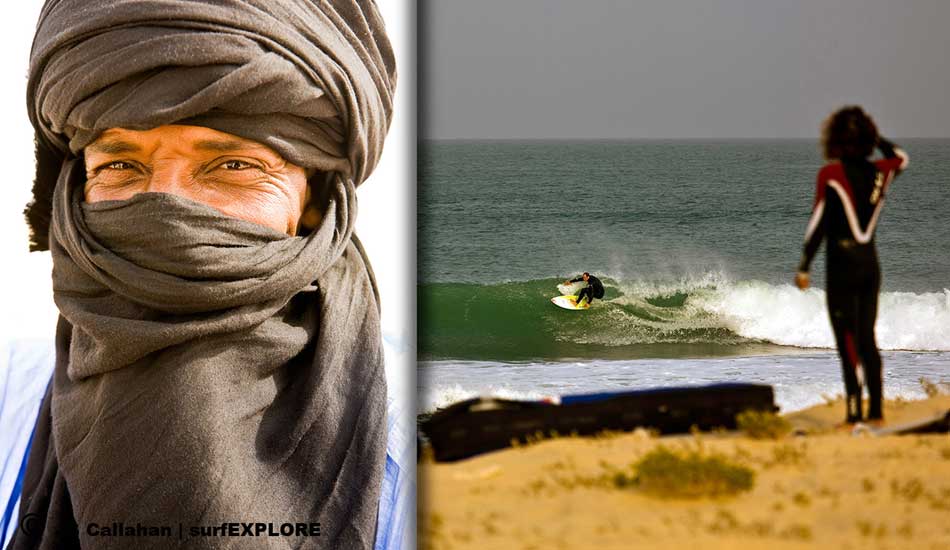
Mauritania. Master sand driver, ace mint-tea maker and man of the desert, our friend Brahim and an empty beach break on the edge of the Sahara Desert. Photo: John Seaton Callahan/surfEXPLORE
-
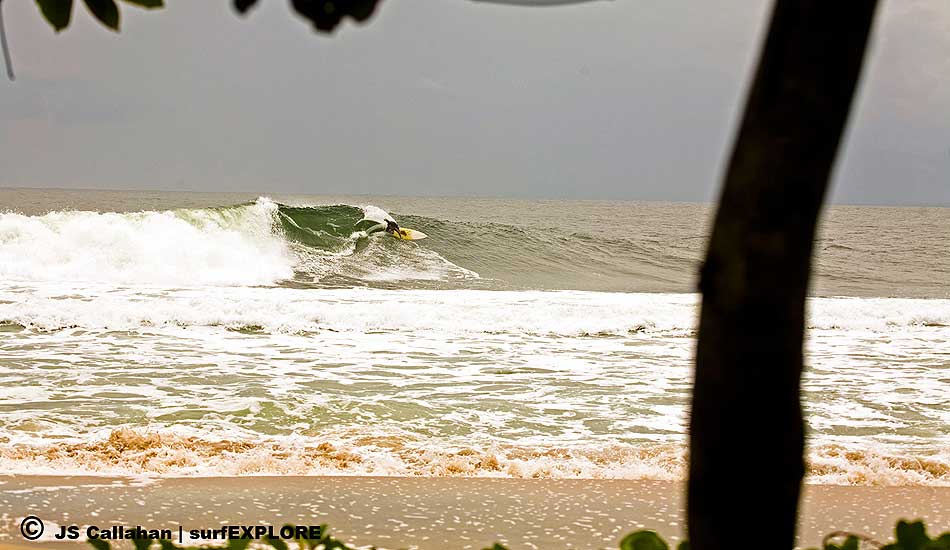
Liberia. Emiliano Cataldi generating down the line speed at Cotton Trees, one of several quality left point breaks on the Cape Mount headland near Robertsport. Photo: John Seaton Callahan/surfEXPLORE
-
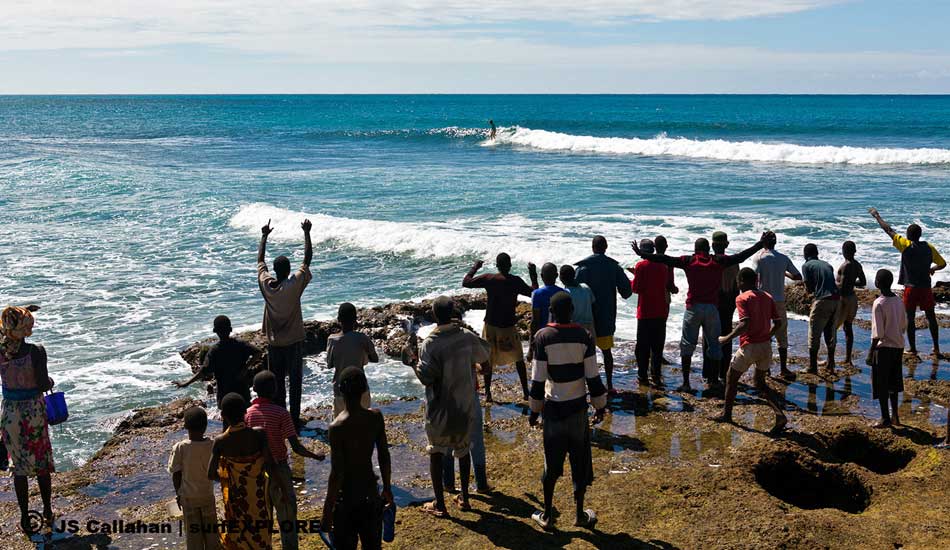
Mozambique. The locals who followed us out to the point in front of their village had never seen surfers before. They were impressed when Emiliano Cataldi and Marco Giorgi surfed the first two waves ever at this point but went absolutely nuts when Taylor Claire Miller caught her first wave, jumping and shouting and screaming with delight. Photo: John Seaton Callahan/surfEXPLORE
-
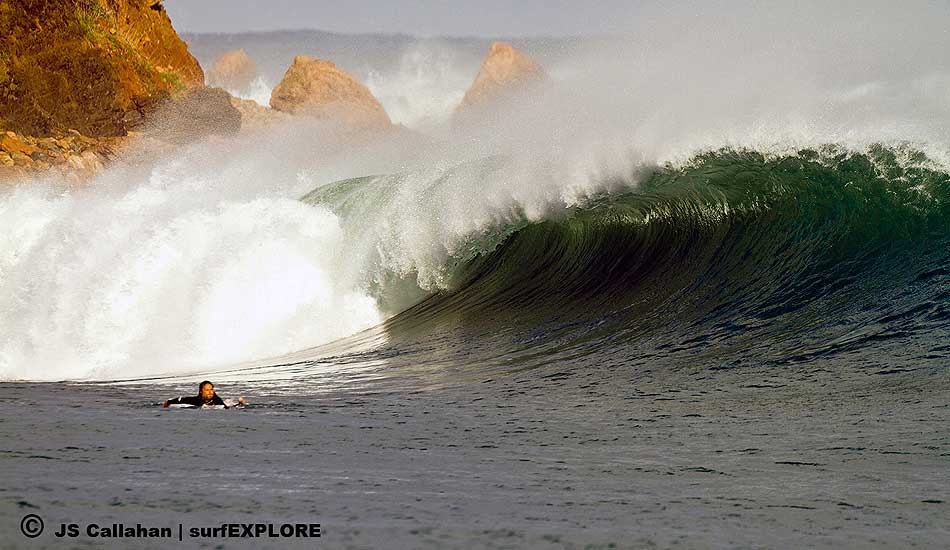
Algeria. Well exposed to powerful winter groundswells, the coast of Algeria has perhaps the best and most consistent surf in the Mediterranean Sea. No one knows for certain as few surfers have been to Algeria and large areas of the coast remain unexplored. Photo: John Seaton Callahan/surfEXPLORE
-
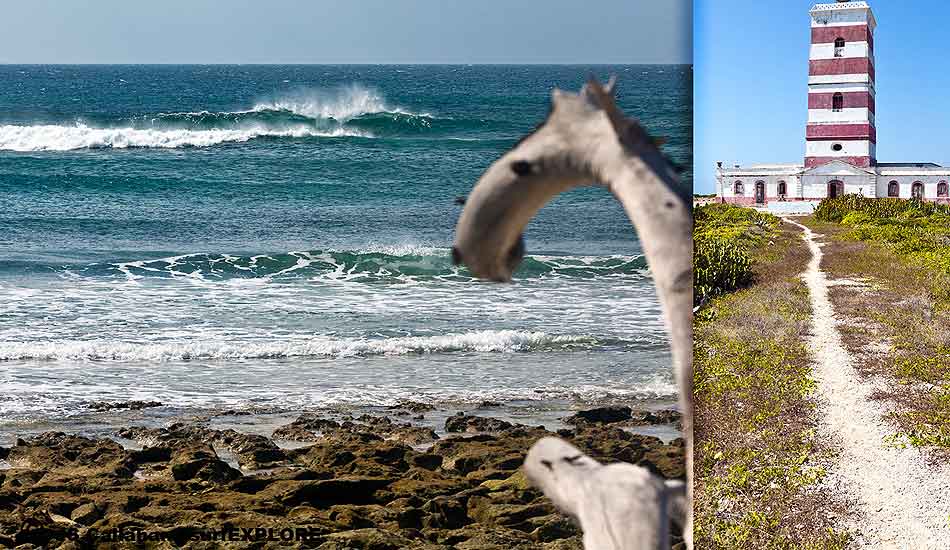
Mozambique. The islands near the Ilha de Mozambique have their share of unridden reef breaks and abandoned lighthouses from the Portuguese period. Photo: John Seaton Callahan/surfEXPLORE
-
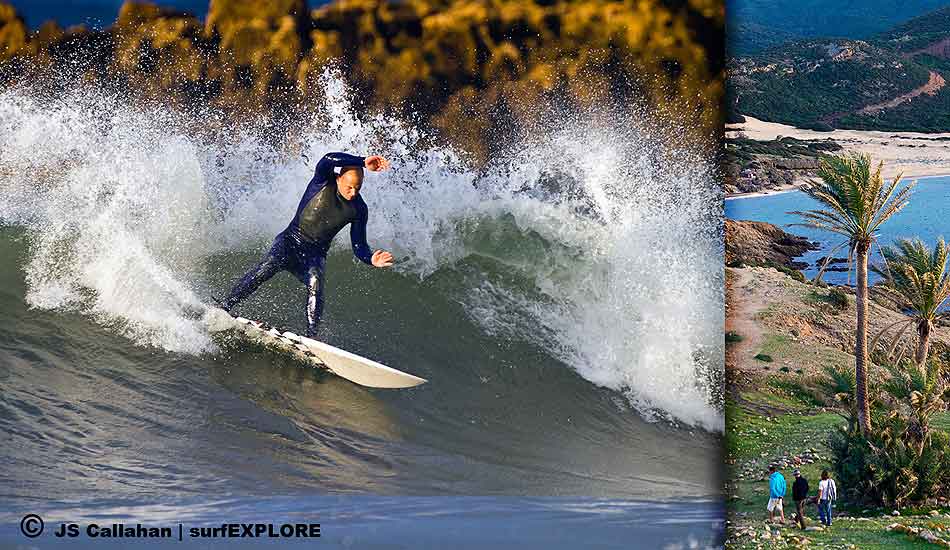
Algeria. Cornish surfer Tristan Jenkin lays into a section in El Kala–a town on the Mediterranean coast of Algeria. This idyllic coast has been populated for centuries by Magreb tribesmen, Phoenician traders and sun-seeking Europeans. Perhaps surfers will be the next specialized group of visitors in Algeria, if it were not so difficult to get a visa. Photo: John Seaton Callahan/surfEXPLORE
-
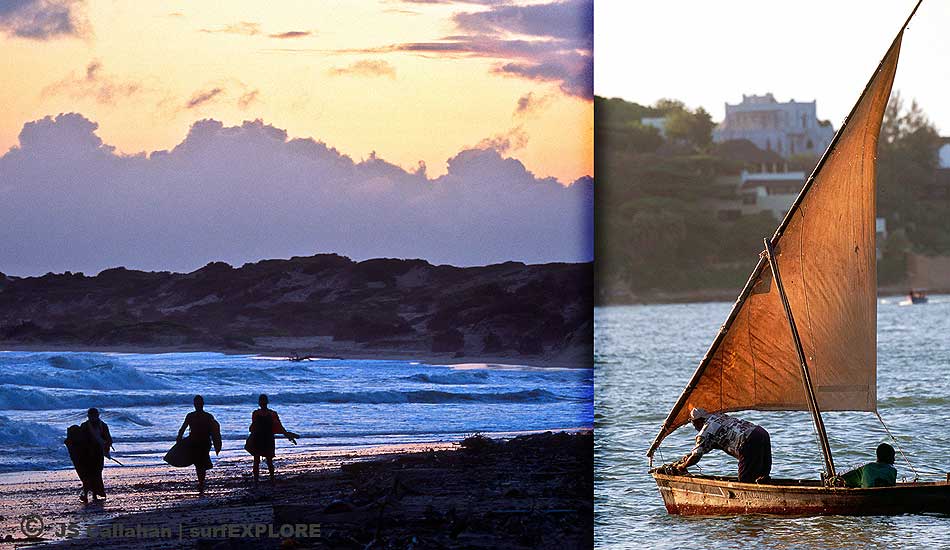
Kenya. Walking back at sunset after a high tide session at Shela Beach on Lamu Island with transport on a local sailing show. Photo: John Seaton Callahan/surfEXPLORE
-
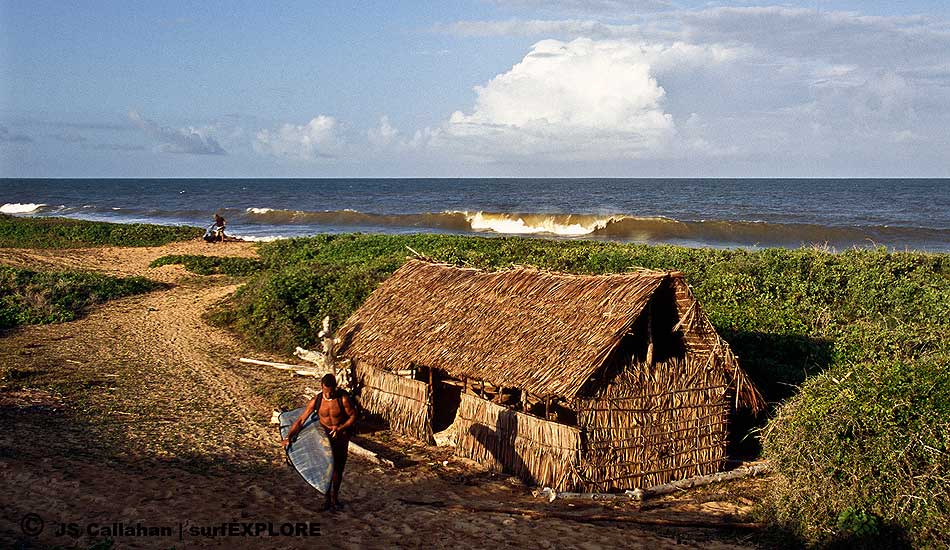
Kenya. Beach break on the exposed side of Manda Island with consistent windswell from the Indian Ocean. Photo: John Seaton Callahan/surfEXPLORE
-
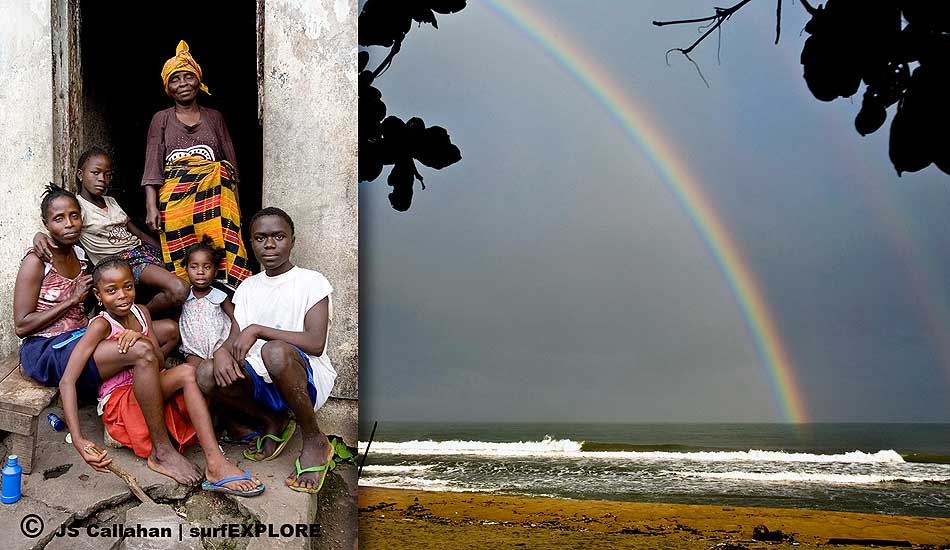
Liberia. Local family in Robertsport and a huge rainbow over the end section of one of Africa's best point break setups. Photo: John Seaton Callahan/surfEXPLORE
-
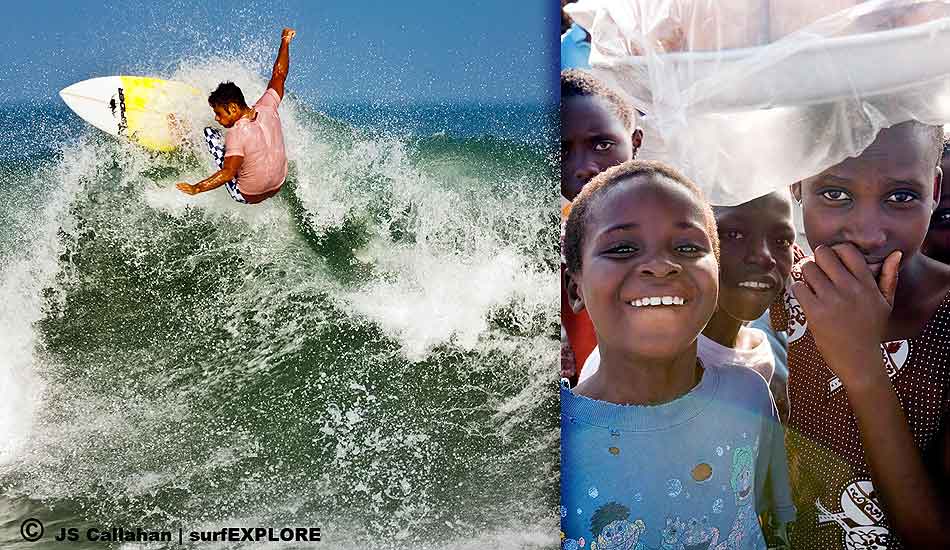
Ghana. Emiliano Cataldi goes off the top at a right point near Accra while local children sell snacks on the beach. Photo: John Seaton Callahan/surfEXPLORE
-
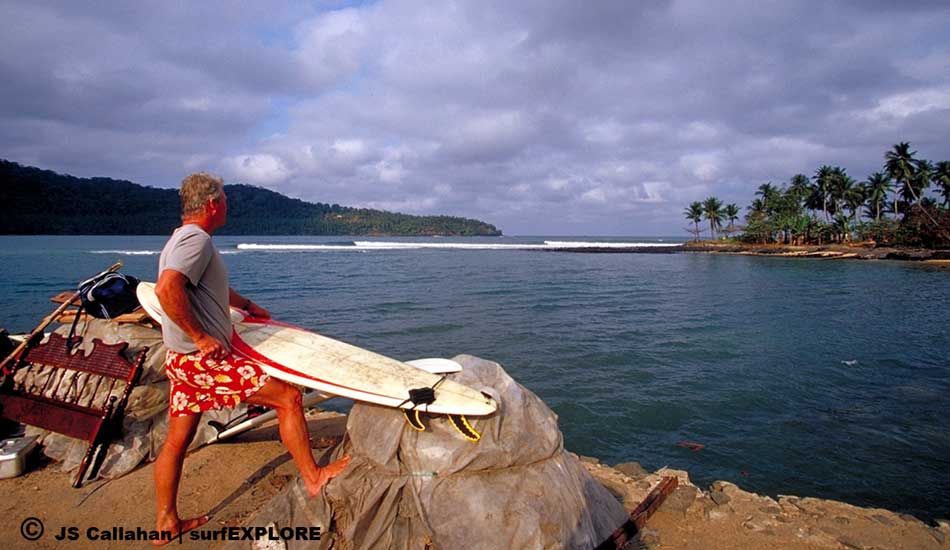
Sao Tome. Veteran surf traveler Randy Rarick waxes up and checks the lineup at Porto Alegre on the southern tip of Sao Tome island. Photo: John Seaton Callahan/surfEXPLORE
With more than fifty sovereign nations covering a vast expanse of the planet, Africa is the least-surfed continent on earth. Despite a wealth of waves, there are many reasons why large areas of Africa remain virtually unsurfed by either local surfers or foreign travelers: war, famine, disease, difficult visa requirements and exorbitant expenses are a few of them. Several African countries with great waves like Angola and Gabon are regularly listed among the world’s most expensive countries. Extraordinary visa requirements in countries like Algeria, Angola and Mauritania make it damn difficult and uncertain to go there as no one wants to buy an expensive air ticket and then be denied entry and deported on arrival. War and famine in countries like Somalia and Sierra Leone deter all but dedicated aid workers and fanatical or blissfully ignorant surf travelers.
Like every other surfing location, the African continent is subject to seasonal variations in surf conditions. Wind on water makes waves for surfers and in the January to March window, North Africa stands out as a world-class location. Right points and reefs from Morocco to Mauritania are slathered in seasonal North Atlantic winter groundswell. With easy visa requirements and good tourism infrastructure, Morocco has been a top surf travel destination for decades with an increasing number of adventurous surfers traveling further south to the uncrowded points of Mauritania and the Moroccan-administered Western Sahara.
As the seasons shift around the planet, other areas of the African continent come into focus. Powerful groundswells from the South Atlantic starting in April light up a vast number of almost unsurfed waves in West, Central, Southwest and South Africa through the southern hemisphere winter until storm activity tapers off in September and October. Highlights include the left point setups near Robertsport in Liberia, the right points on the island of Sao Tome, the world-class left points of Namibia and the many high-quality waves of South Africa, which has perhaps the largest number of quality waves with the fewest number of resident surfers of any major surfing nation. With easy visa requirements, an English-speaking population and a low cost of living for visitors, South Africa is deservedly popular for traveling surfers.
The peak of the southern hemisphere winter from June to August also sees groundswell activity moving up the east coast of the continent to the many right points in Mozambique and into the Indian Ocean to affect offshore islands like Madagascar, the Comoros, Mauritius and Réunion. The prevailing southeast wind can be a problem in this area for surfing, but an increasing number of kiteboarders are stoked on the great surf and blustery wind conditions in Mauritius, northern Madagascar and Mozambique in the peak winter season.
When autumn arrives in the northern hemisphere, attention shifts to the Mediterranean Sea where powerful storms can send strong swell to the coast of North Africa. If there is any location in the world with an unfortunate mismatch of surfers to waves, the Mediterranean is it with most of the surfers located on the northern side in Europe and the waves being on the southern shores, in North Africa. Tunisia is by far the most accessible country for surfing in North Africa with good infrastructure and a westernized, French-speaking population. Algeria and Libya have many quality setups but a tourism visa can be difficult to obtain with constantly shifting requirements and procedures.