-
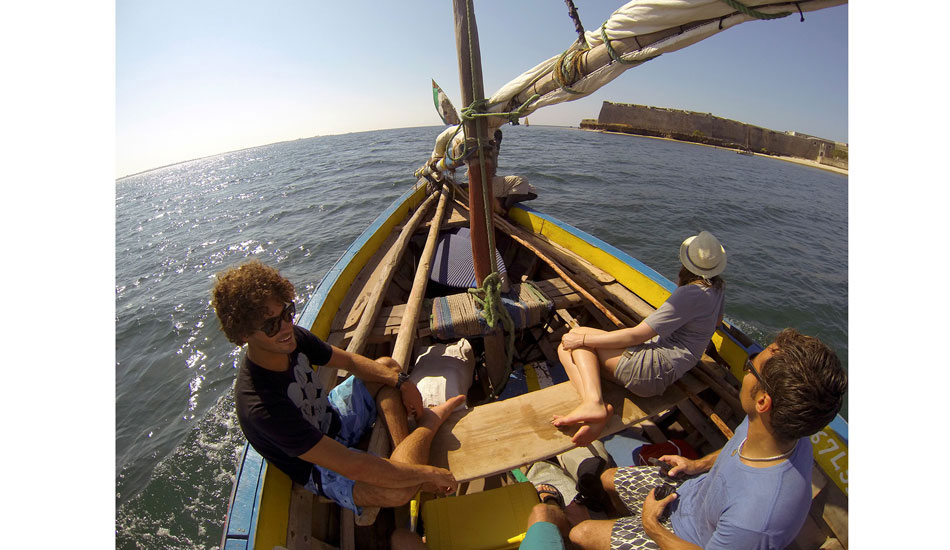
Taking a sailing dhow to the outer islands, to surf the reefs on the incoming tide. The tidal variations are a major influence on the waves, which are best at dead low tide coming up. Photo: surfEXPLORE/John Seaton Callahan
-
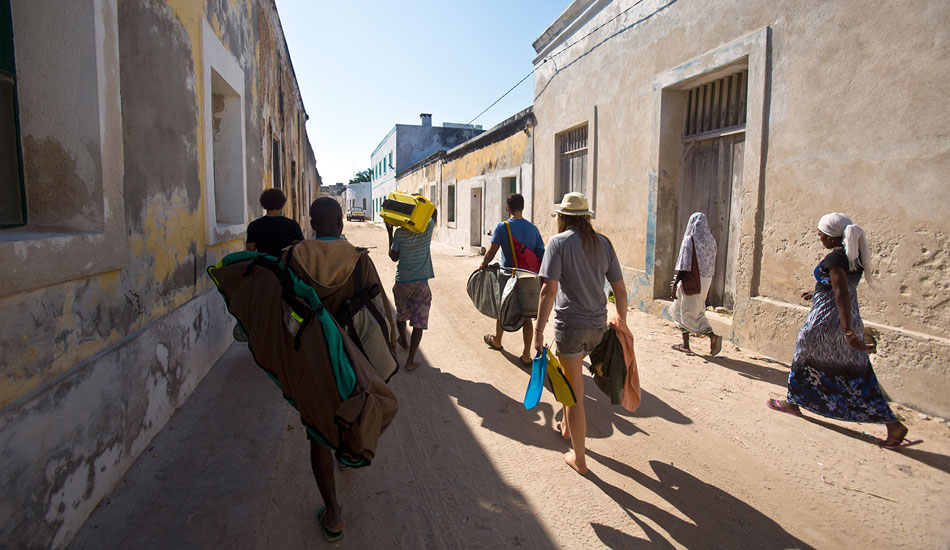
Making our way through the sandy streets of Stone Town on the Ilha de Moçambique, to take a boat to the outer islands. Photo: surfEXPLORE/John Seaton Callahan
-
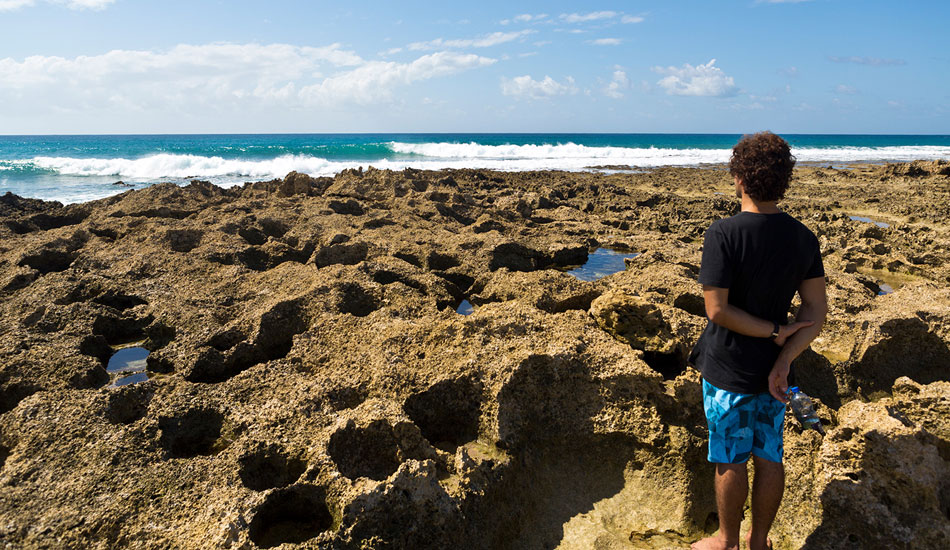
Marco Giorgi checks a new lineup on one of the outer islands. Photo: surfEXPLORE/John Seaton Callahan
-
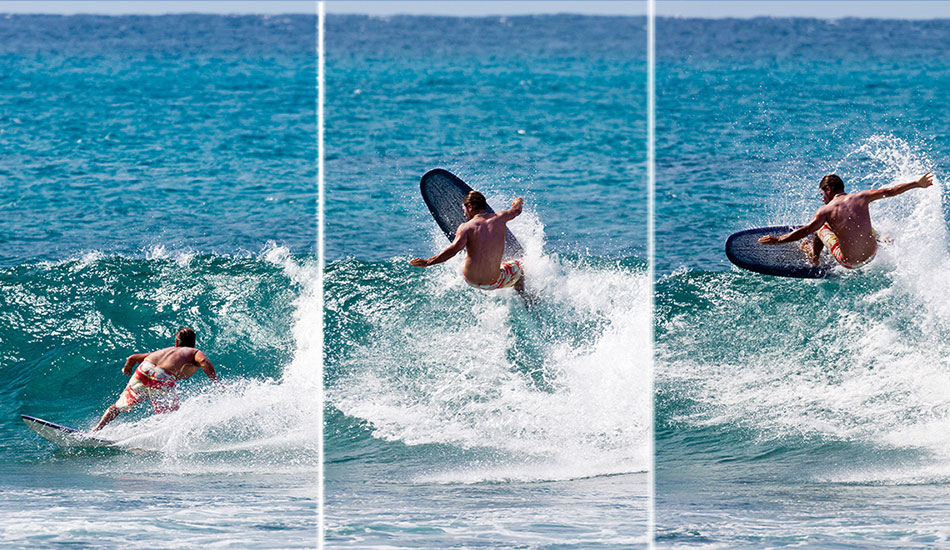
Emiliano Cataldi gives his twin-keeled mini-simmons a good workout at one of the right reef points on the islands outside the Ilha de Moçambique. Photo: surfEXPLORE/John Seaton Callahan
-
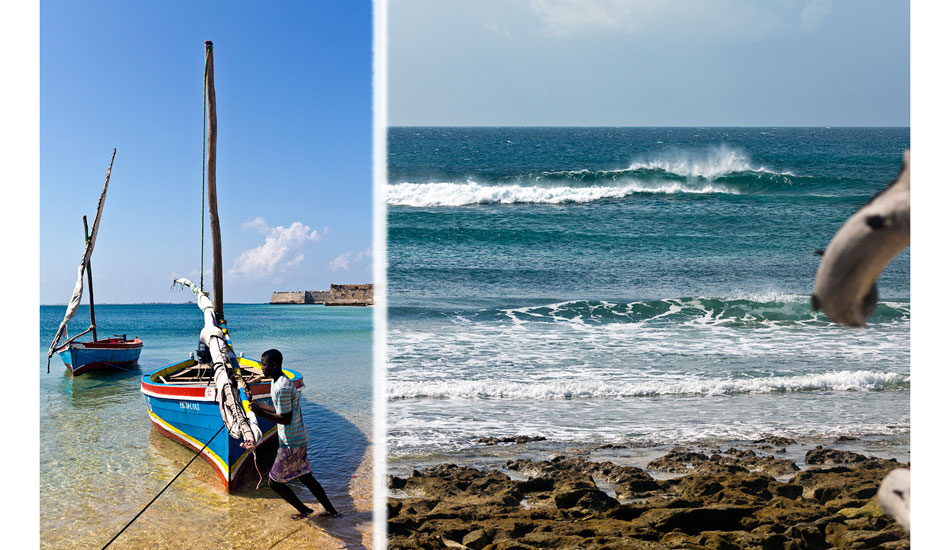
Boats are the favored mode of transportation in this area. To get to the outer islands and their unridden reef breaks they are the only mode of transportation. Photo: surfEXPLORE/John Seaton Callahan
-
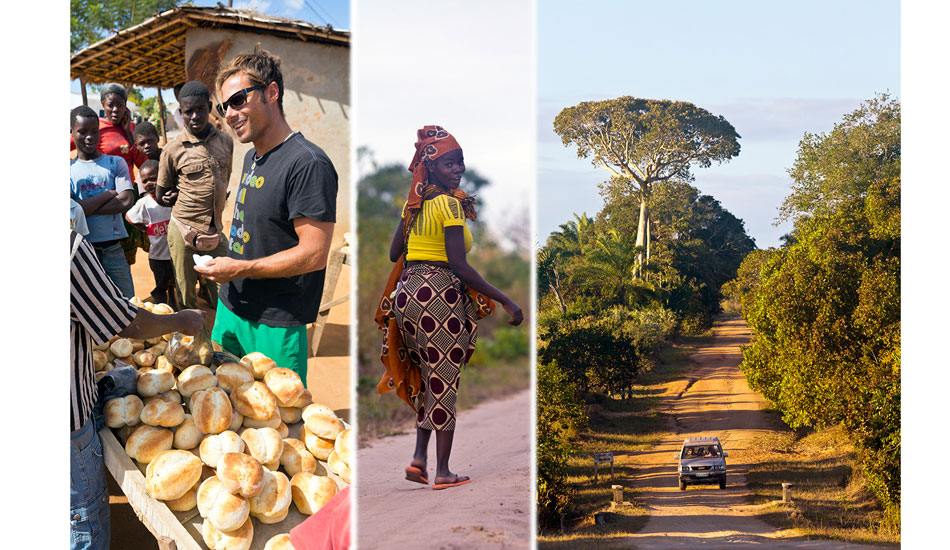
With very few foreign visitors, little traffic and friendly locals, this area of Mozambique delivers an authentic African travel experience. Photo: surfEXPLORE/John Seaton Callahan
-
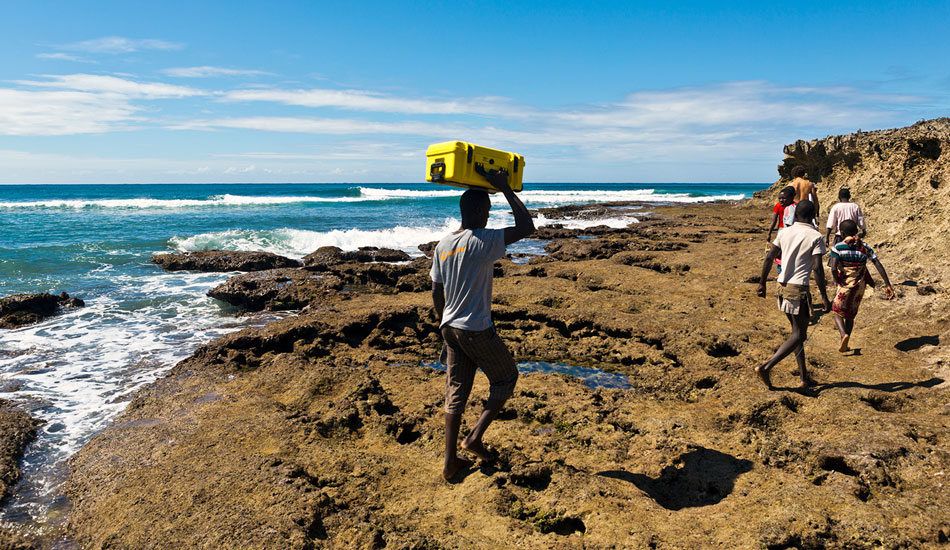
After a long walk from the beach if the reef is this exposed, it must be maximum low tide at this never before ridden right point. Photo: surfEXPLORE/John Seaton Callahan
-
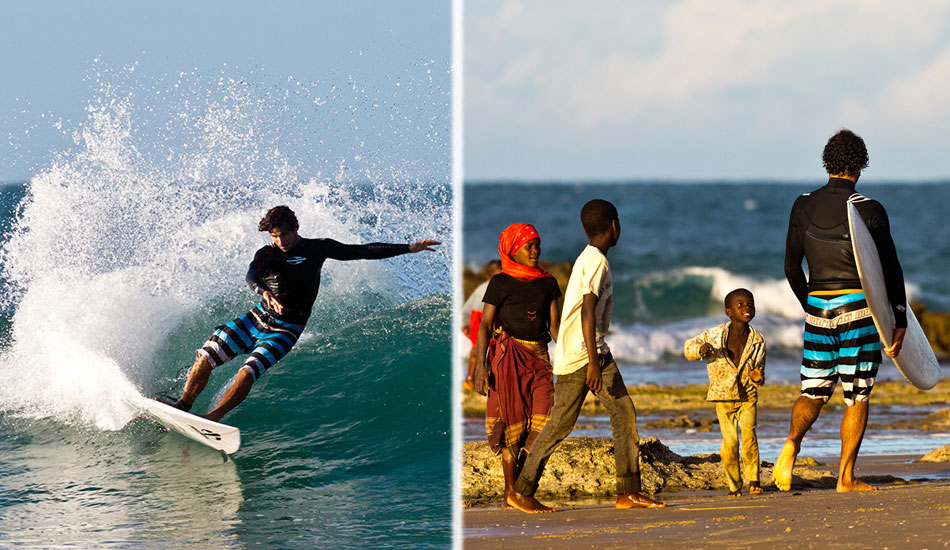
With his slick Brasilian style and fluent Portuguese, Marco achieved surfgod status immediately. He always had a big pack of kids following him, occasionally fighting with each other to carry his board. Photo: surfEXPLORE/John Seaton Callahan
-
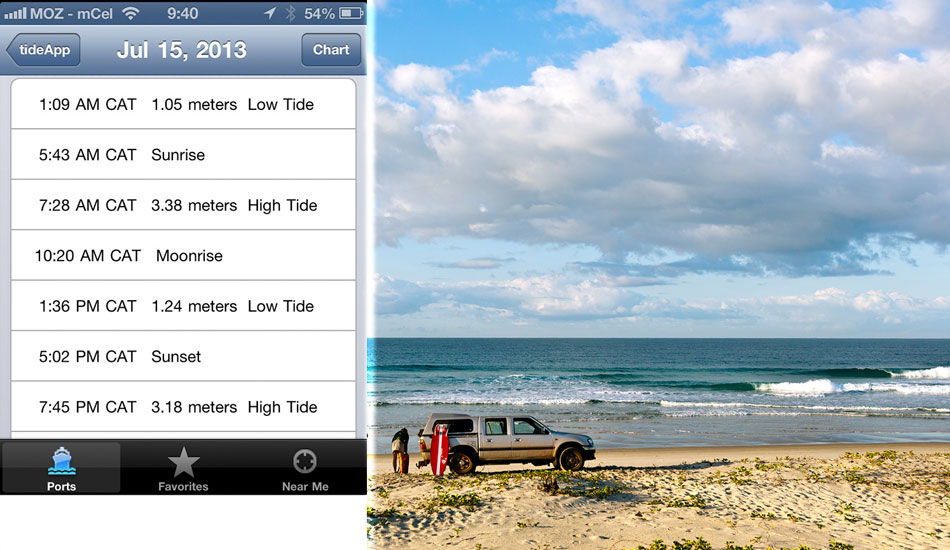
Driving on the beach is much better than using the road, but have a good tide chart for the 12 feet of tide swing. Getting swamped by the incoming tide is not a good idea! Photo: surfEXPLORE/John Seaton Callahan
-
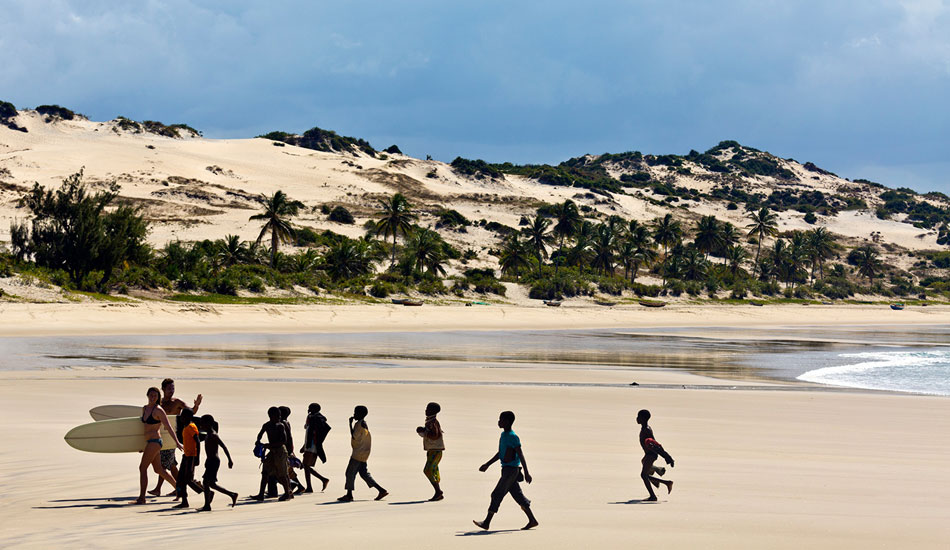
The local kids were shy at first, but once they caught on to what we were doing they followed Emiliano and Taylor everywhere. Photo: surfEXPLORE/John Seaton Callahan
-
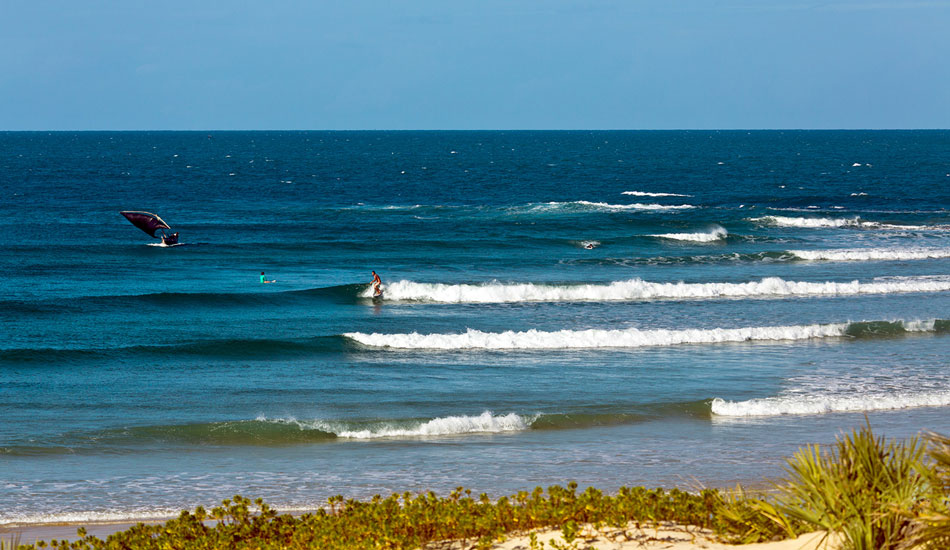
A local fishing boat with a plastic rubbish bag for a sail uses the afternoon wind to return home as Emiliano Cataldi enters the inside section at the Point. Photo: surfEXPLORE/John Seaton Callahan
-
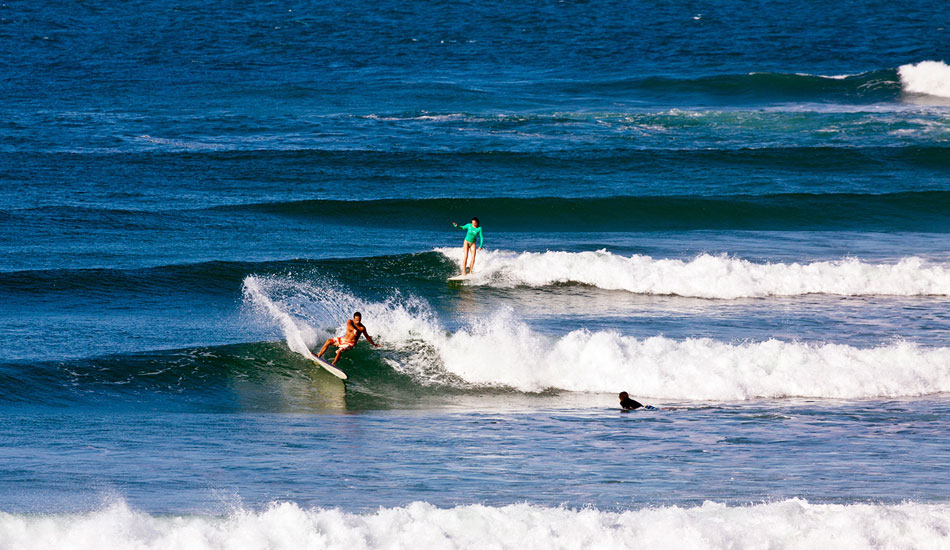
Afternoon session on the incoming tide at the Point, with Taylor Claire Miller on the outside and Emiliano Cataldi taking a piece out of his wave on the inside. Photo: surfEXPLORE/John Seaton Callahan
-
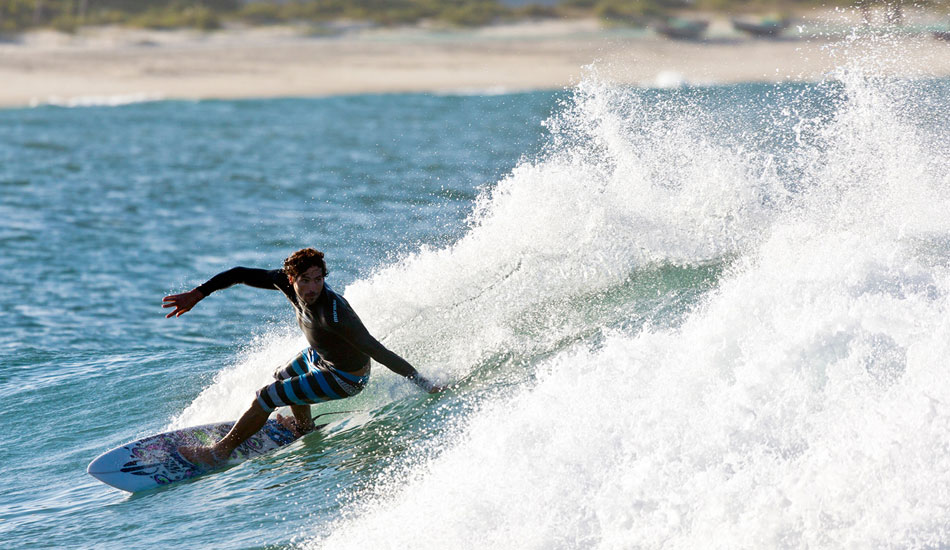
During a late afternoon session, Marco Giorgi bends it around in anticipation of the next section. Photo: surfEXPLORE/John Seaton Callahan
-
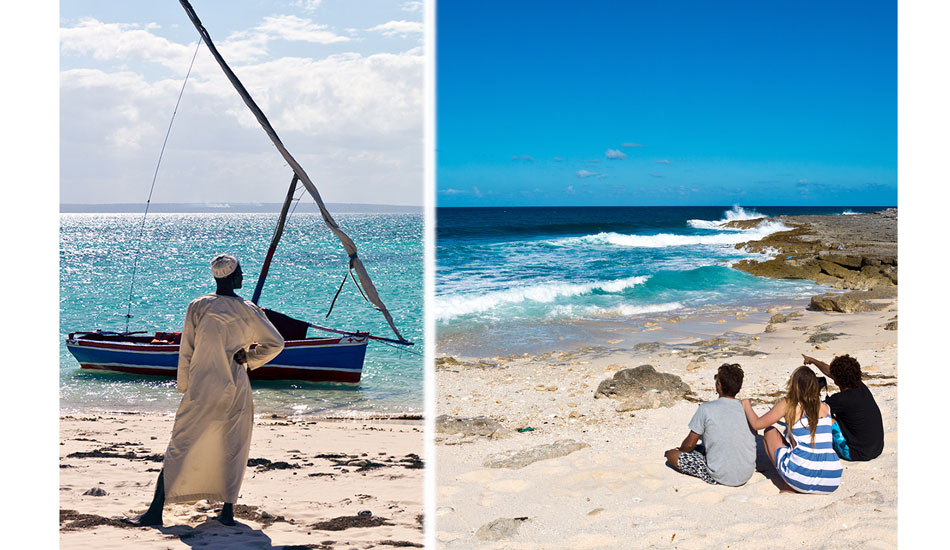
Checking a potential lineup on the outer islands on the incoming tide, as our boat waits for the return trip to the Ilha de Moçambique. Photo: surfEXPLORE/John Seaton Callahan
-
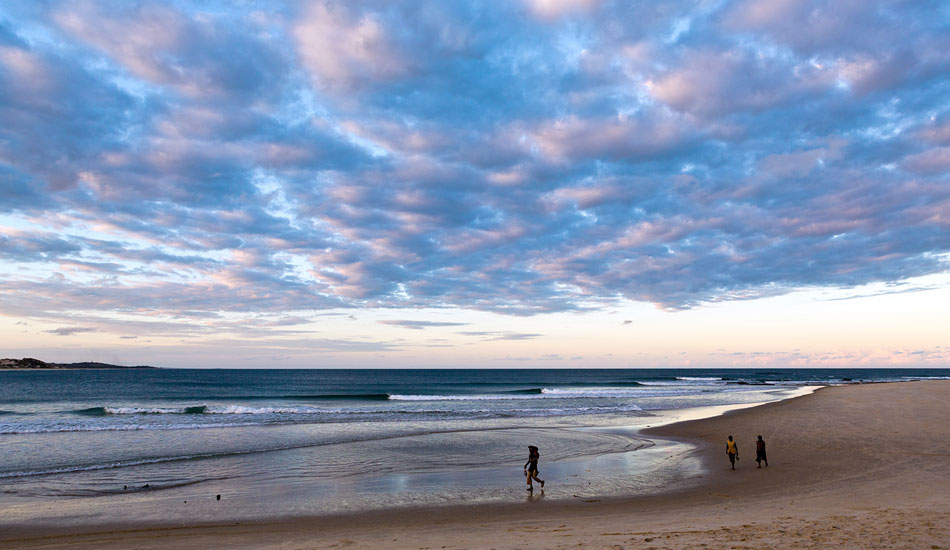
The tides were predictable if relentless at the Point. Since we were driving on the beach, it meant leaving good waves on several occasions like this evening session. Photo: surfEXPLORE/John Seaton Callahan
-
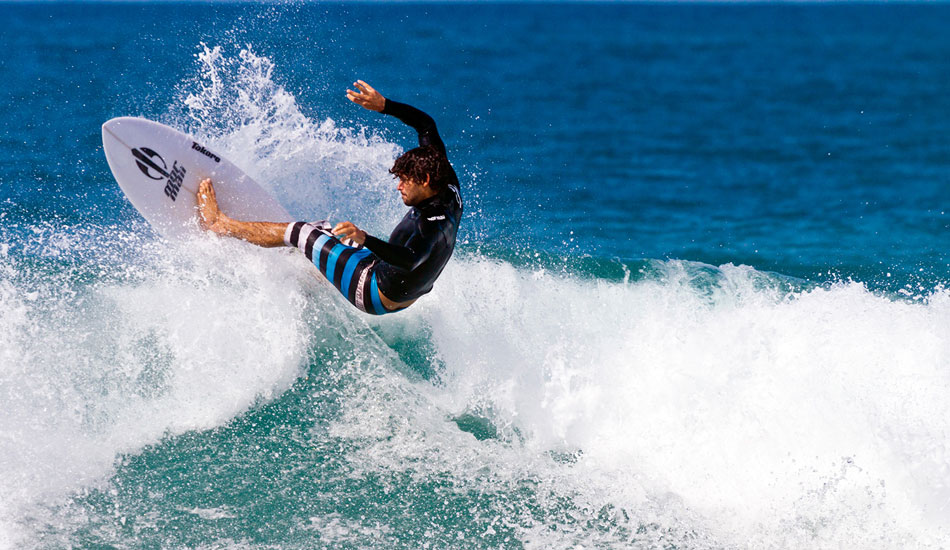
Marco Giorgi was able to loosen up at the beachbreak, linking sections and finishing waves with a flourish, which got a roar of approval from the crowd of locals on the beach. Photo: surfEXPLORE/John Seaton Callahan
-
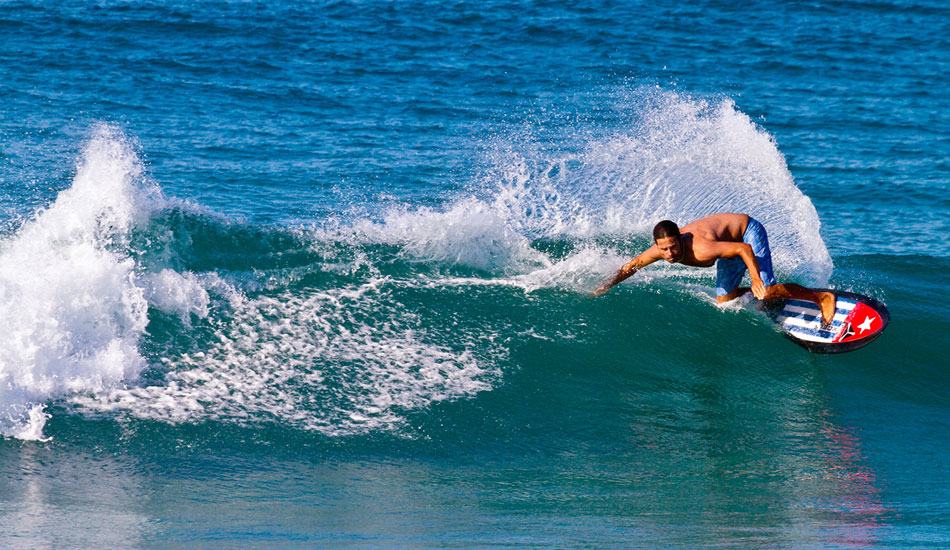
Emiliano Cataldi on a rare left at a morning session at a beachbreak. Photo: surfEXPLORE/John Seaton Callahan
-
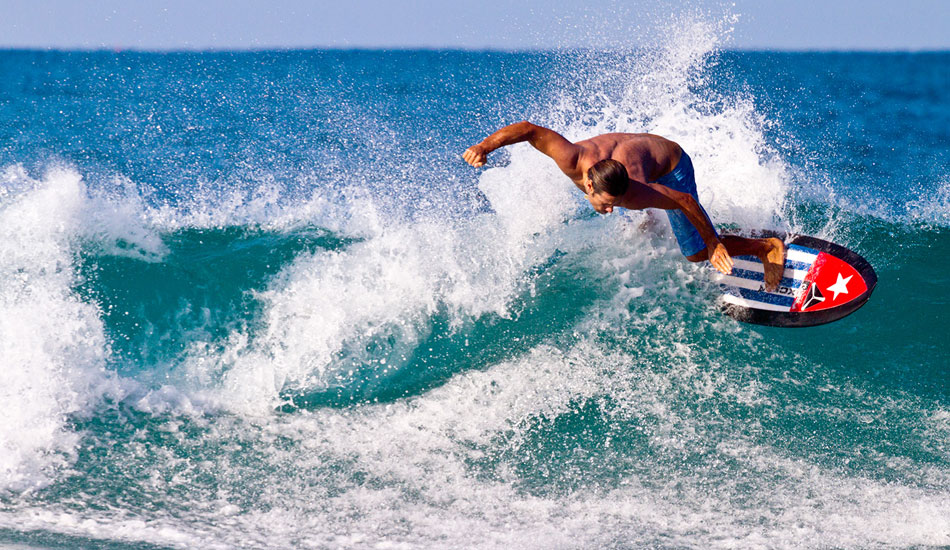
Emiliano Cataldi again. Sections of the beach facing south were open to swell and as we were driving on the sand, just pull over and go for a surf. Photo: surfEXPLORE/John Seaton Callahan
-
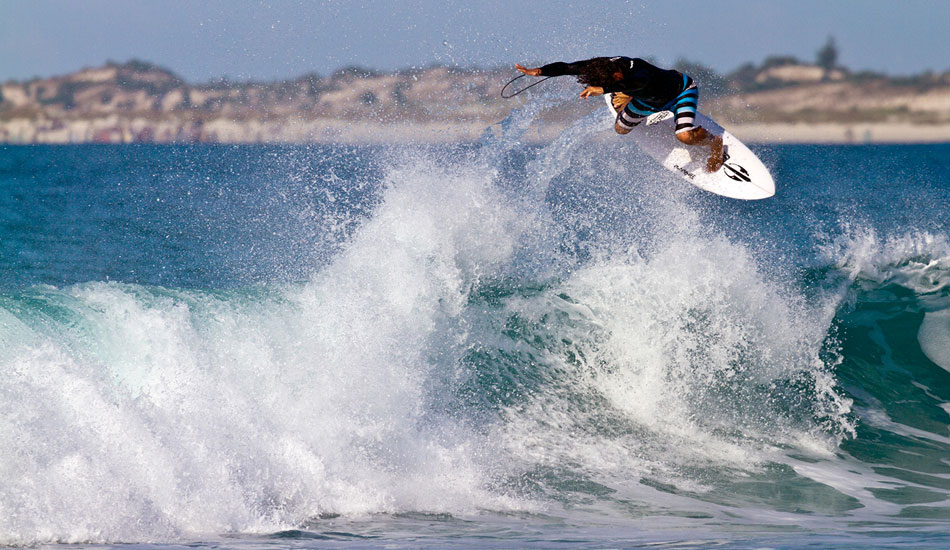
Marco Giorgi had his air game on for the morning high tide beachbreak sessions, thrilling the kids on the beach with big maneuvers like this launch. Photo: surfEXPLORE/John Seaton Callahan
-
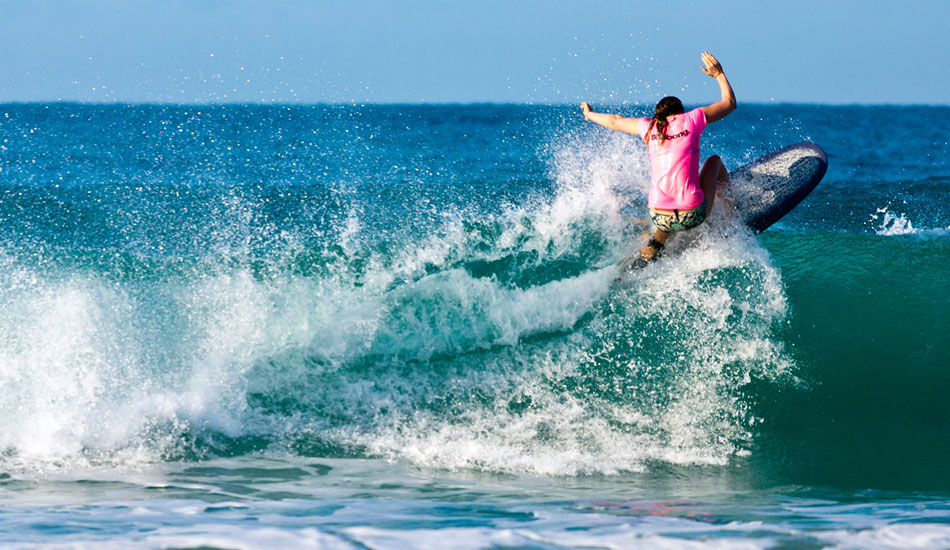
Taylor borrows Emiliano's mini-Simmons for a morning session at the beachbreak. Photo: surfEXPLORE/John Seaton Callahan
-
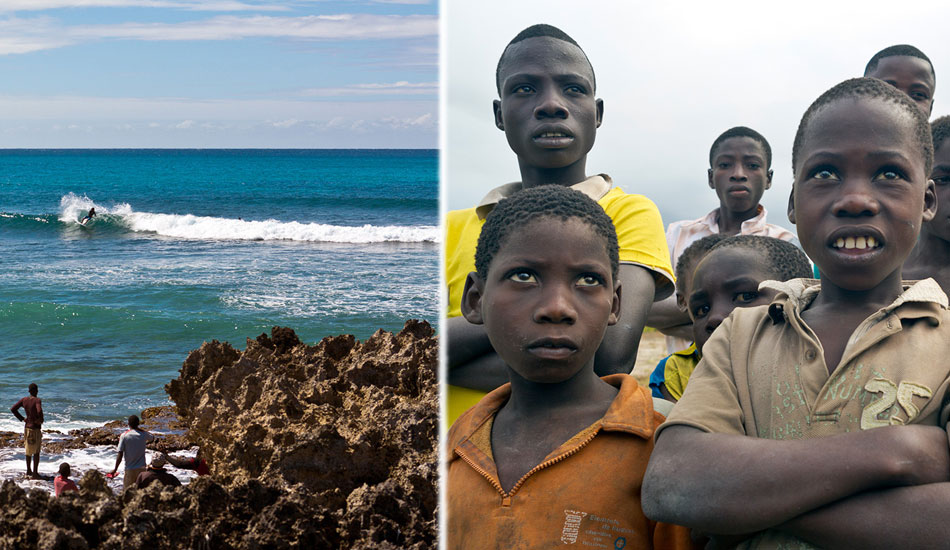
The local children in this village don't get many visitors, certainly not surfers. One of the village elders said we were the first white people many of them had ever seen. Photo: surfEXPLORE/John Seaton Callahan
-
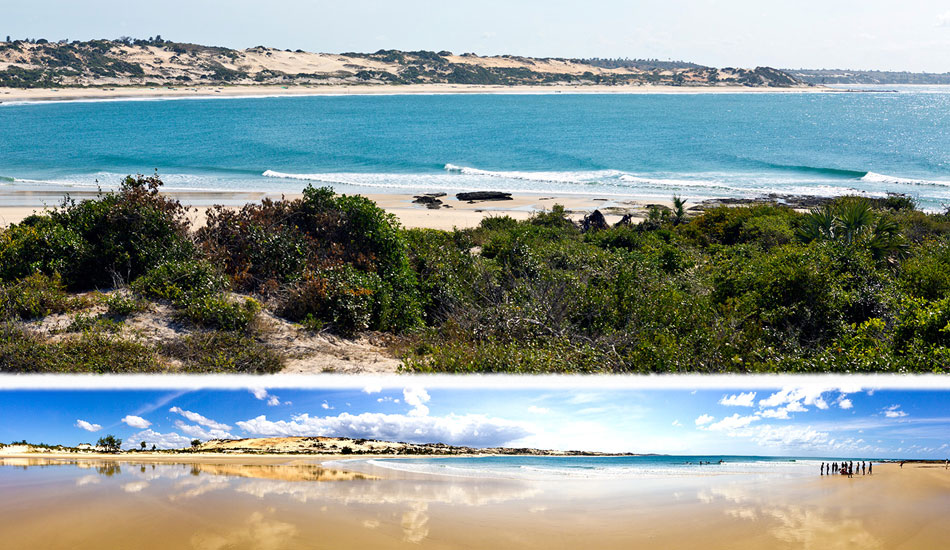
With the swell direction from the south and many sandy headlands, Mozambique is blessed with a wealth of long right point breaks. Photo: surfEXPLORE/John Seaton Callahan
-
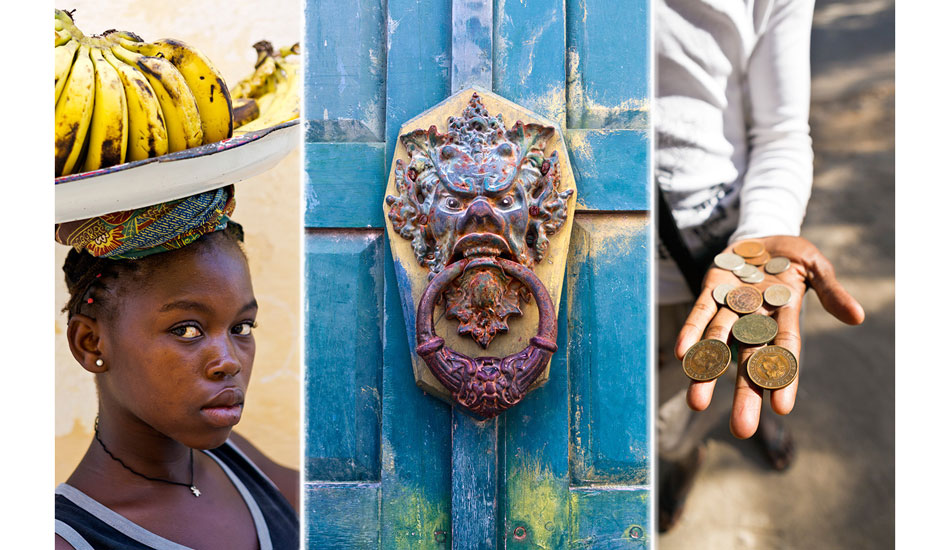
The Ilha de Moçambique was a Portuguese possession for nearly 500 years and has an incredible wealth of history and culture. After being nearly abandoned in the late 1970's after independence, the island has been accorded UNESCO status and seen an increase in investment and tourism, mainly from Europe.. Photo: surfEXPLORE/John Seaton Callahan
-
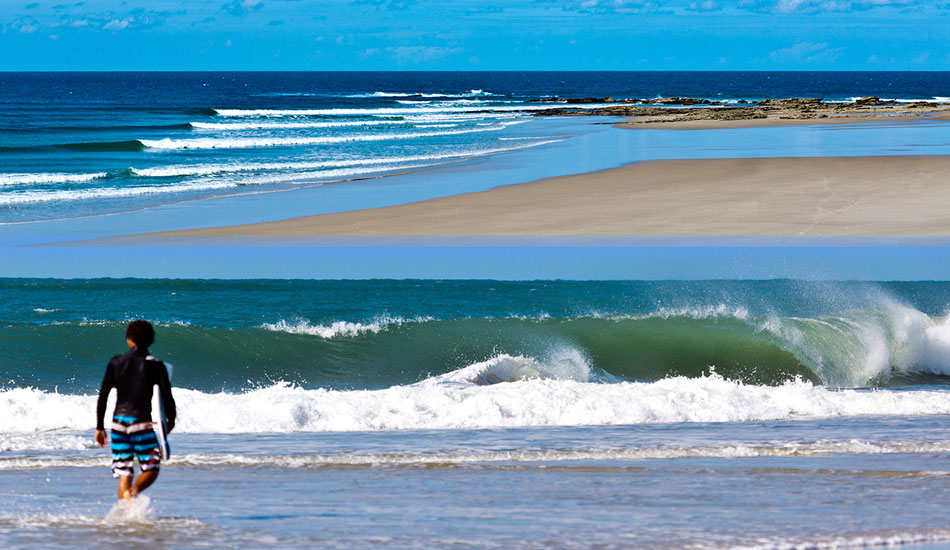
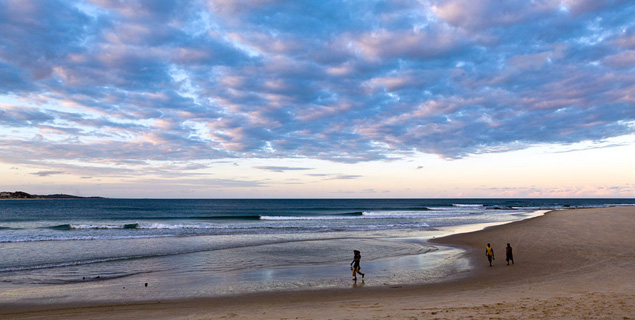
Beachbreak or point - take your pick, depending on the tide. No one surfing at either. Photo: surfEXPLORE/John Seaton Callahan
With its long sand beaches and many offshore islands, the coastline of Mozambique in East Africa has long been something of a mystery to surfers. With a history of war dating from the independence conflict with Portugal in the 1960’s to the civil war that followed the departure of the Portuguese from all their African colonies in 1975, most of the country was inaccessible until a peace agreement was signed in 1992.
With the end of the fighting and a liberal visa policy for South Africans, many wave discoveries have since been made. Most have been in the southern half of the country by South African surfers driving north from the border on large winter groundswells moving up the coast and filling in to many right points between the border and Maputo, the capital.
Less well-known are the many offshore islands. Actually, really anything at all is well-known about the northern part of the country. It is a long drive from the South African border, and who wants to drive past perfect waves to see what might be there?
Our project focused on the historic Ilha de Moçambique, a fascinating destination and a UNESCO World Heritage site in the province of Nampula. There are several offshore islands in front of the Ilha, open to long-period winter groundswell and numerous right point setups on the mainland to the north and the south.
With the Mozambique Channel nearby, we learned quickly that tides are a big factor in this area. With a daily swing of up to four meters between high and low tides, a good right point at peak low tide would cease to exist at peak high tide, so a good tide chart and timing were critical. The beachbreaks were much better on an incoming tidal push, so the plan was to hit the points at peak low and then move to one of the beachbreaks as the tide pushed in.
As there are no local surfers at all, we had to write our script as we went along, checking out several of the offshore islands and points to the north and south of the Ilha. Local muslim villagers gathered in numbers at one right point and cheered wildly as first Emiliano, then Marco and finally Taylor caught their first waves. They said they have never seen surfers before in their lives, so we knew we were in the right place to score some new waves.